MercoPress. South Atlantic News Agency
Tag: Rodrigo Paz
-
Friday, October 16th 2026 - 21:50 UTC
Kast and Paz open the way in La Paz to normalising Chile-Bolivia relations
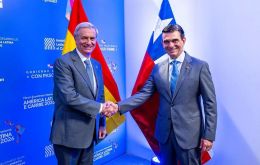
Chilean President José Antonio Kast and his Bolivian counterpart Rodrigo Paz pledged on Friday in La Paz to move towards normalising diplomatic relations “at the highest level”, broken off since 1978, during a visit the Chilean government described as historic as the first official bilateral visit by a Chilean president to Bolivia in more than seven decades. The two governments signed economic integration and border security agreements, although they did not announce the restoration of embassies.
Add your comment! -
Wednesday, August 26th 2026 - 08:00 UTC
Bolivia deploys troops against blockades over a decree its own government wants repealed
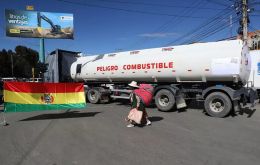
Bolivia's government deployed military and police units on Tuesday in the municipality of Yapacaní, in Santa Cruz department, ahead of announced road blockades called by farming organisations against the decree that raised the price of diesel for large consumers. Hours later, the deputy interior minister acknowledged that the same measure must be annulled.
-
Friday, August 21st 2026 - 10:10 UTC
Bolivian prosecutors open a second case against the consultant who advised Milei and Paz
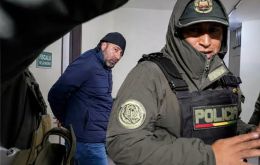
Prosecutors in La Paz have opened an investigation on their own initiative into alleged illicit enrichment by Argentine political consultant Fernando Cerimedo, who was charged this week in Santa Cruz with attempted femicide following the shooting of his former partner, lawyer Nadia Beller.
-
Wednesday, July 1st 2026 - 08:28 UTC
Mercosur leaders push for a regional security architecture against organized crime
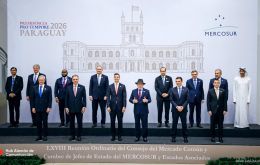
The fight against transnational organized crime emerged as one of the central themes of Mercosur's 68th summit of heads of state, held on Tuesday in the Paraguayan city of Luque, where several leaders called for building a regional security “architecture” with concrete goals and deadlines. The issue ran through the addresses of the bloc's presidents and those of its associated states, at a summit where Paraguay handed over the pro tempore presidency to Uruguay.
-
Wednesday, June 17th 2026 - 19:11 UTC
Bolivia's blockade crisis leaves at least 16 dead as the government calls unions to talks
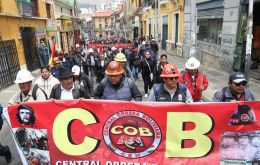
The crisis caused by more than seven weeks of road blockades in Bolivia, driven by sectors demanding the resignation of President Rodrigo Paz, has left at least 16 people dead, as the government called the Bolivian Workers' Center (COB) on Wednesday to a dialogue to seek a way out. By midday, the country's largest union confederation had not confirmed its attendance.
-
Tuesday, June 16th 2026 - 08:07 UTC
Bolivia's Paz bets on wearing down protests and holds off deploying the army
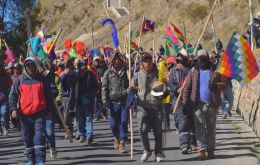
Bolivia's government has opted to wear down the social protests that have shaken the country for about six weeks, rather than resort to a hard line. President Rodrigo Paz promulgated a law regulating states of exception in early June, but has so far not ordered the deployment of the Armed Forces to clear the roads, leaning instead toward exhausting the protesters and dismantling the movements demanding his resignation through the detention or persuasion of their leaders. “The new Bolivia will be built with dialogue, without giving way to violence,” said presidential spokesman José Luis Gálvez.
-
Wednesday, June 3rd 2026 - 16:54 UTC
Bolivia's blockade crisis risks tipping into civilian clashes, analysts warn
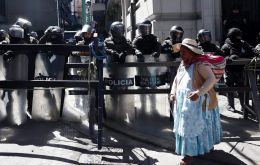
Bolivia's political crisis threatens to spill over into confrontations between urban and rural populations, after nearly a month of road blockades that have disrupted supplies of food, medicine and fuel —especially in the Andean region— and left at least nine people dead. Analysts Pedro Portugal and Gabriela Canedo warned of the danger in remarks to the news agency EFE, pointing to clashes fueled by an ethnic and cultural fracture and by the alleged inaction of Rodrigo Paz's government, whose resignation the mobilized sectors are demanding.
-
Tuesday, June 2nd 2026 - 10:50 UTC
La Paz endures a month of blockades as food and fuel shortages deepen
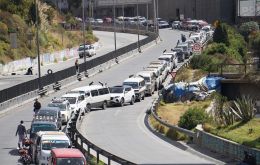
La Paz has spent a month under blockade. The main roads into Bolivia's administrative capital have been cut for four weeks, and shortages of food and fuel worsen by the day. Frustration is mounting among residents: some demand the resignation of President Rodrigo Paz for failing to keep his campaign promises, while others call for a firm hand and the deployment of the army to lift the siege. Most agree that the president, who took office less than seven months ago, should have acted sooner, when the protests began.
-
Wednesday, May 27th 2026 - 18:29 UTC
Paz promulgates law authorizing Armed Forces to intervene in Bolivia's internal conflicts
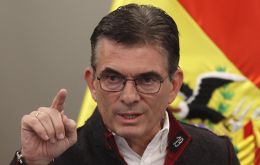
Bolivian President Rodrigo Paz on Wednesday promulgated Law 1731, a measure that removes existing restrictions on the intervention of the Armed Forces in the country's internal conflicts. The signing of the document, which took place past midnight, comes after nearly a month of road blockades led by sectors demanding his resignation, and raises pressure on the president to authorize the deployment of the military on the streets and roads of Bolivia.
-
Wednesday, May 20th 2026 - 23:18 UTC
Bolivia escalates internal conflict into diplomatic clash with Colombia and divided regional backing
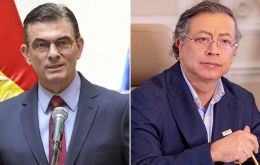
The political and social crisis that has been shaking Bolivia for 15 days escalated on Wednesday into a regional diplomatic confrontation, with the government of Rodrigo Paz expelling the Colombian ambassador to La Paz, Elizabeth García, denouncing before the Organization of American States an attempt at “institutional destabilization,” and receiving public backing from the United States and from several governments in the region. The decision was taken after Colombian President Gustavo Petro described the protests as a “popular insurrection” and said that in Bolivia “there is a people in the streets being killed,” statements considered “interfering” by La Paz.