MercoPress. South Atlantic News Agency



Bolivian President to rule electronically from abroad
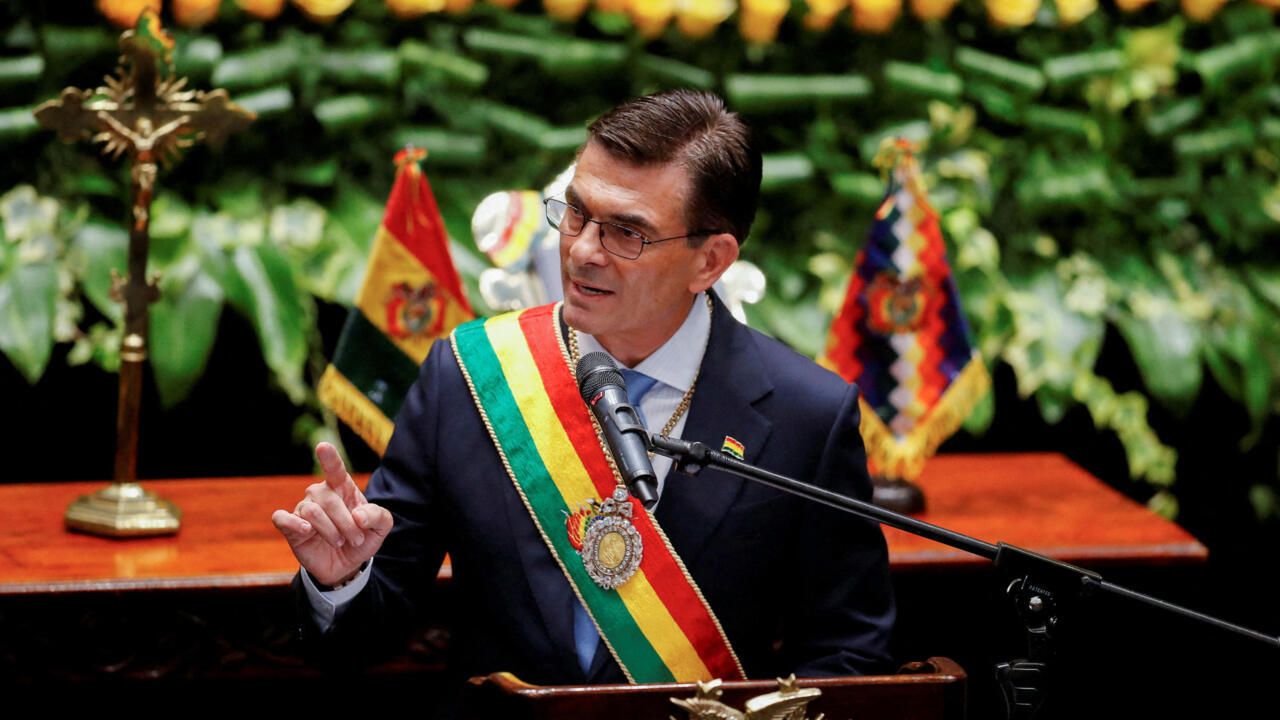 Paz is reportedly seeking to bypass the constitutional succession protocol while overseas
 Bolivian President Rodrigo Paz Pereira issued Supreme Decree 5515, allowing him to exercise full constitutional powers through digital means and electronic signatures while outside the country. The move comes amid escalating nationwide protests over the so-called Gasolinazo (end of fuel subsidies resulting in price hikes) and a notorious rift between the head of State and Vice President Edmand Lara.
The new measure modifies existing laws governing the Executive Branch, providing that the President “must exercise” his constitutional duties via official technological channels during any temporary absence from national territory. It comes just in time for Paz's upcoming trip to Switzerland for the World Economic Forum (WEF) in Davos, scheduled for January 19–23, 2026.
While the presidency is technically transferred to the Vice President during such absences, Paz will retain command over major policy decisions, thus neutralizing Lara's potential powers as ties between them have deteriorated significantly since taking office in November 2025.
As per the new norm, the Vice President no longer holds broad autonomous authority during the President's absence. He is now restricted to “coordinating and managing” actions specifically dictated by the President. If digital communication is unavailable, the Vice President must follow an “express and written” list of specific tasks provided by Paz. Thus, the new decree amends a 2023 regulation authorizing the Vice President to “plan and execute” general policy during a presidential absence.
The breakup between Paz and Lara was sparked by Supreme Decree 5503, popularly known as the “Gasolinazo,” which removed long-standing fuel subsidies. The measure resulted in a nearly 100% increase in gasoline prices and a 160% spike in diesel.
While President Paz maintains the cuts were necessary to address a fiscal crisis and declining oil revenues, the former police captain Lara publicly condemned the move, speaking of a “policy against the people.” He also declared himself a voice of “constructive opposition” within the government.
The “Gasolinazo” has triggered a wave of strikes and roadblocks led by the Central Obrera Boliviana (COB) and the powerful miners' unions. Critics argue that Paz is using “digital governance” to bypass constitutional succession and protect his neoliberal agenda from being overturned by Lara while he is overseas.
Legal experts have already raised questions regarding the constitutionality of the measure, citing Article 169 of the Bolivian Constitution, which dictates the terms of presidential substitution.
The government has tasked the Agency for Electronic Government (AGETIC) with finalizing the technological infrastructure for remote rule within the next 10 days.


Top Comments
Disclaimer & comment rulesCommenting for this story is now closed.
If you have a Facebook account, become a fan and comment on our Facebook Page!