MercoPress. South Atlantic News Agency



More than 390 bodies recovered and nearly 1,500 unaccounted for after the Nepal Himalaya flood
 The high number of foreigners reflects the corridor's role. It is one of the main overland links between Kathmandu and Tibet
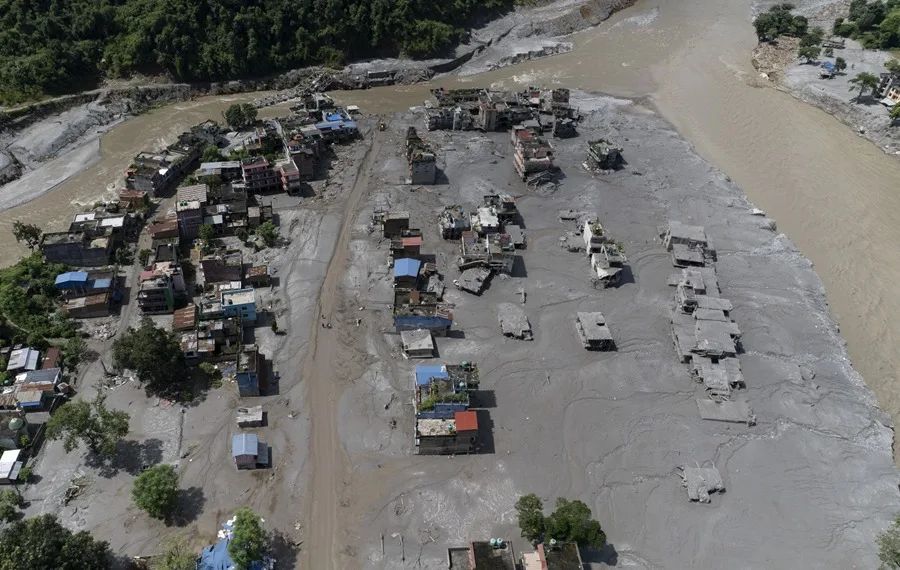
 Rescue teams have recovered at least 389 bodies in Nepali territory and three more in China's Tibet region, while close to 1,500 people remain unaccounted for after the flood that swept down Himalayan valleys on Wednesday along the border between the two countries. A Nepali police spokesman told the Reuters news agency the death toll would continue to rise as relief work advances.
Both countries' figures should be treated with caution. Nepal's National Disaster Risk Reduction and Management Authority counts more than 910 people out of contact, among them 540 foreigners from 32 countries, 127 Nepalis resident abroad, 85 members of the security and customs services and dozens of local residents. Chinese authorities put the number unaccounted for on their side at 558, 260 of them foreign. Neither government has clarified whether the two lists overlap, particularly regarding those crossing the border, and the counts remain under verification: they may include people who are safe but unreachable because of cuts to roads, power and telephone lines. India confirmed 288 of its citizens are among the missing, and Spain four.
The high number of foreigners reflects the corridor's role. It is one of the main overland links between Kathmandu and Tibet, used by tours heading to Lhasa and Everest and by pilgrims travelling to Mount Kailash and Lake Manasarovar, sites sacred to Hinduism. The Nepali settlement of Syabrubesi is also the starting point for trekking routes in the Langtang valley.
The Nepali army reported 466 people rescued alive and evacuated by air, among them 31 foreigners; the Chinese command has so far confirmed two rescues. Nepal has 7,415 police and military personnel deployed and has carried out 239 helicopter flights. Bodies have been found across eight districts, in some cases swept more than a hundred kilometres downstream; only 17 were recovered in Rasuwa, the worst-affected district.
At least 19 bridges and around 40 kilometres of road were destroyed, and some 430 megawatts of hydroelectric capacity were affected, slightly more than 12% of the country's installed capacity.
An active threat also persists. Debris partially blocked a watercourse upstream of the Gyirong pass, forming a lake that on Thursday held around two million cubic metres of water and was already spilling over. China's Ministry of Water Resources estimates a further three million cubic metres could arrive over the next three days and puts the peak level at around September 1. Beijing considers the risk of a sudden discharge to be high and has evacuated 369 residents from four villages within a fourteen-kilometre radius.


Top Comments
Disclaimer & comment rulesCommenting for this story is now closed.
If you have a Facebook account, become a fan and comment on our Facebook Page!