MercoPress. South Atlantic News Agency


The Falklands close the second Loligo squid season three days after reopening it
 The text describes the measure as precautionary and aimed at ensuring the long-term sustainability of the fishery
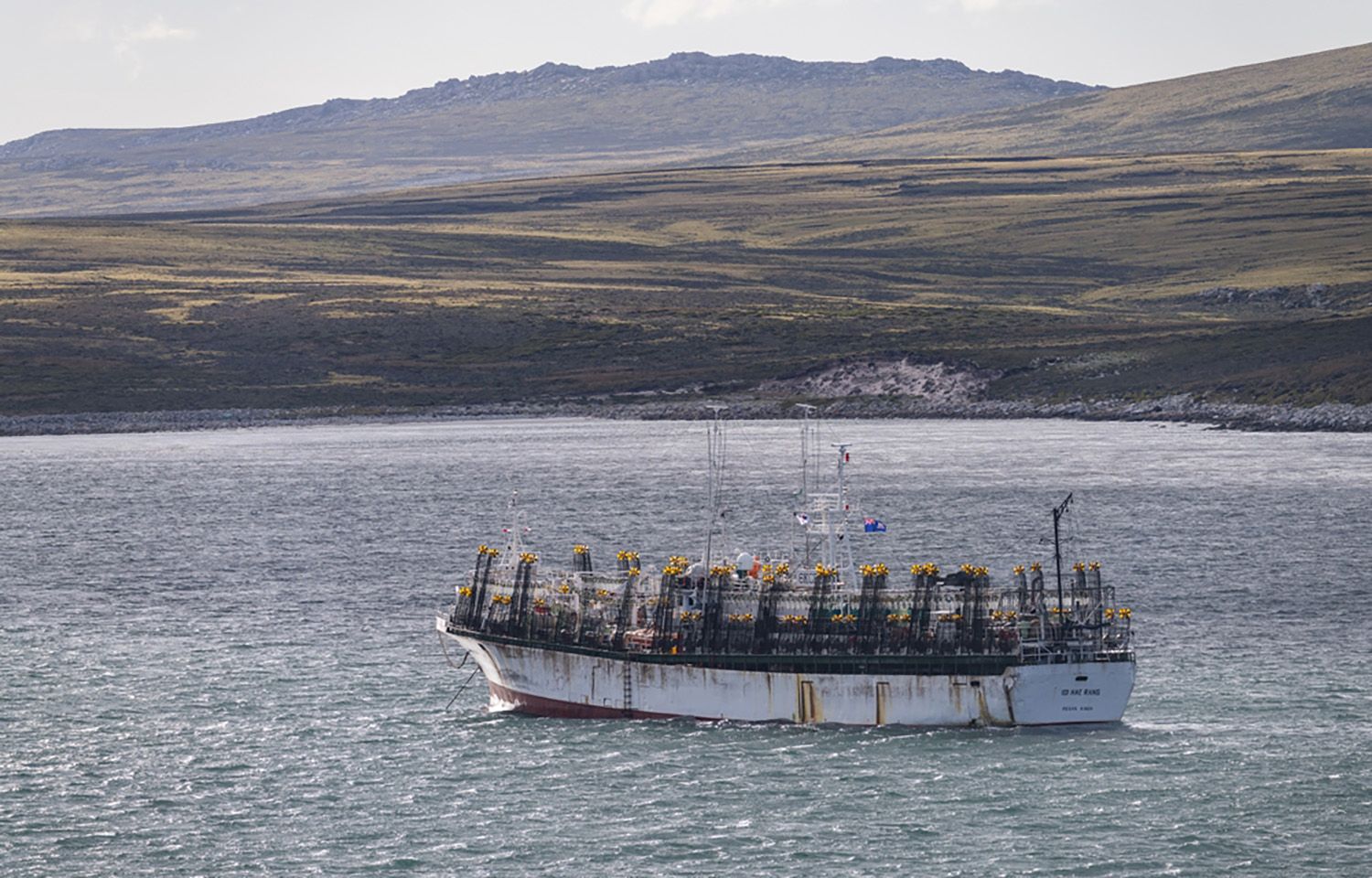
 The Falkland Islands Fisheries Department announced on Thursday the closure of the second Loligo squid season due to low biomass levels, just three days after fishing had resumed following a two-week pause.
“This decision has been taken as a result of analysis of the catch data following the resumption of fishing after the two-week pause, as well as the results of the two days of exploratory fishing,” the island government said in its statement. The text describes the measure as precautionary and aimed at ensuring the long-term sustainability of the fishery, adding that the department is already looking at what measures can be trialled or implemented ahead of the 2027 seasons to mitigate the problems recorded in the second season in recent years.
The sequence was rapid. On August 12 the administration suspended activity within the Loligo Box over low biomass. Fishing resumed on the 24th and the season was closed on the 27th. According to the weekly Penguin News, the industry was advised only days after the resumption that levels remained very low.
Director of Natural Resources James Wilson told the newspaper there were “very deep concerns” regarding the second season and pointed to several converging factors. He mentioned oceanographic currents that in 2024 swept the squid out of the area, with questions over how many later returned to the Loligo Box to breed. He also cited increasing numbers of predatory hake in the area, which he attributed most likely to closures in Argentine fishing grounds. And he added that pressure on the fishery has grown significantly even though the number of vessels has remained stable, because the boats are bigger and more powerful and both nets and fishing hours have changed.
It is the fourth consecutive year of difficulties in the second season. In 2024 it never opened because of very low biomass estimates. In 2025 the first season started late and closed early, and the second saw temporary and rolling closures. The acting chair of the Loligo Producers Group, John Barton, said the last normal second season was in 2022.
Barton stressed to Penguin News the economic weight of the fishery, arguing that what is at stake is not simply the fortunes of some fishing companies but a major component of the island government's finances and of the Falklands economy overall. He called for research into the current challenges facing Loligo to be progressed as a matter of priority, an issue the producers' group is discussing with the Department of Natural Resources and which is likely to be addressed through the Loligo Management Plan.
Measures under consideration include placing a vessel in the Loligo Box between the two seasons to establish when the hake influx begins. Wilson cautioned, however, that removing a predator can have unintended consequences from an ecosystem perspective. A paper going to the Fishery Advisory Committee in early September will recommend increasing effort on A licences, which mainly target hake. This season already saw the introduction of a bycatch agreement raising the hake limit from 10% to 50%.
Loligo squid is one of the main sources of income for the Falklands. The Illex season, the archipelago's other squid fishery, closed on June 22 with catches well below the average of the past decade.

Top Comments
Disclaimer & comment rulesCommenting for this story is now closed.
If you have a Facebook account, become a fan and comment on our Facebook Page!