MercoPress. South Atlantic News Agency



Investment banks warn the Venezuela deal will not bring down fuel prices
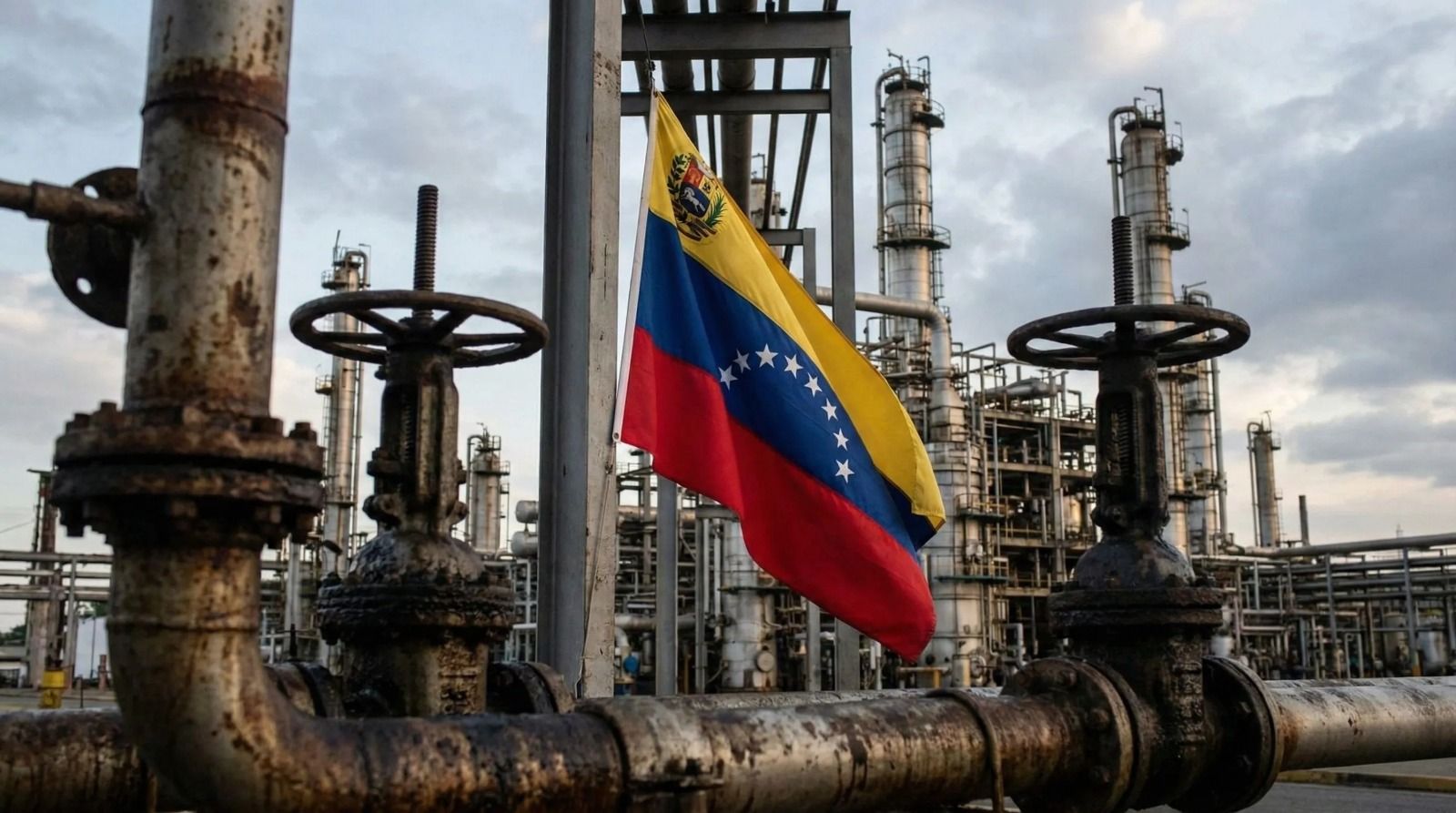 UBS argues that Venezuelan output will take years to recover and that the impact on prices will be limited in the short term
 Leading financial analysis firms have tempered the White House's forecasts on the Venezuelan oil agreement announced by Donald Trump on Friday, which grants a company part-owned by the US government control of seventeen fields holding some 65 billion barrels of reserves for a hundred years.
UBS argues that Venezuelan output will take years to recover and that the impact on prices will be limited in the short term. The Swiss bank says prices “continue to react mainly to developments in Hormuz” and has not revised its forecasts for the sector as a result of the deal. The White House had maintained the transaction would substantially reduce petrol prices for American consumers.
Timelines are the main obstacle. The consultancy Rystad Energy calculates that Venezuela will not recover its historic production peak — three times current levels — until 2050, and that doing so would require investment of 85 billion dollars. UBS adds that new transport infrastructure, technical capacity and a stable environment will be needed after years of underinvestment, sanctions and power cuts.
Despite holding the world's largest proven reserves, some 300 billion barrels, Venezuela extracts around 1.1 million barrels a day and ranks twentieth among world producers, behind Angola and level with Colombia, according to the International Energy Agency. US Energy Secretary Chris Wright said on Wednesday in Caracas that output would more than double in the coming years.
Companies are responding unevenly. Chevron, which never fully left the country, announced on Wednesday an investment of 7 billion dollars over five years aimed at doubling its production by 2031, the largest commitment by a US company since January. Spain's Repsol, mentioned by acting president Delcy Rodríguez when she set out the terms of the deal, expects to triple its own. ExxonMobil and ConocoPhillips, which left in 2007 after part of their assets were nationalised, maintain that conditions for a return do not exist.
Doubts also persist over the deal's durability. Citi considers that greater transparency and broader political legitimacy will be needed for it to survive a future change of government in Washington. UBS warns of possible litigation, given that the agreement provides for US companies to take over projects previously operated by Russian and Chinese firms. Both the Venezuelan opposition and sections of chavismo have criticised the operation.
On Venezuela's possible departure from OPEC, analyst Homayoun Falakshahi of the firm Kpler said it “would be a great victory for Trump”, though it could increase internal pressure on the interim government.


Top Comments
Disclaimer & comment rulesNo comments for this story
Please log in or register (it’s free!) to comment. Login with Facebook