MercoPress. South Atlantic News Agency


WMO forecasts a very strong El Niño peaking at year's end and lasting into February 2027
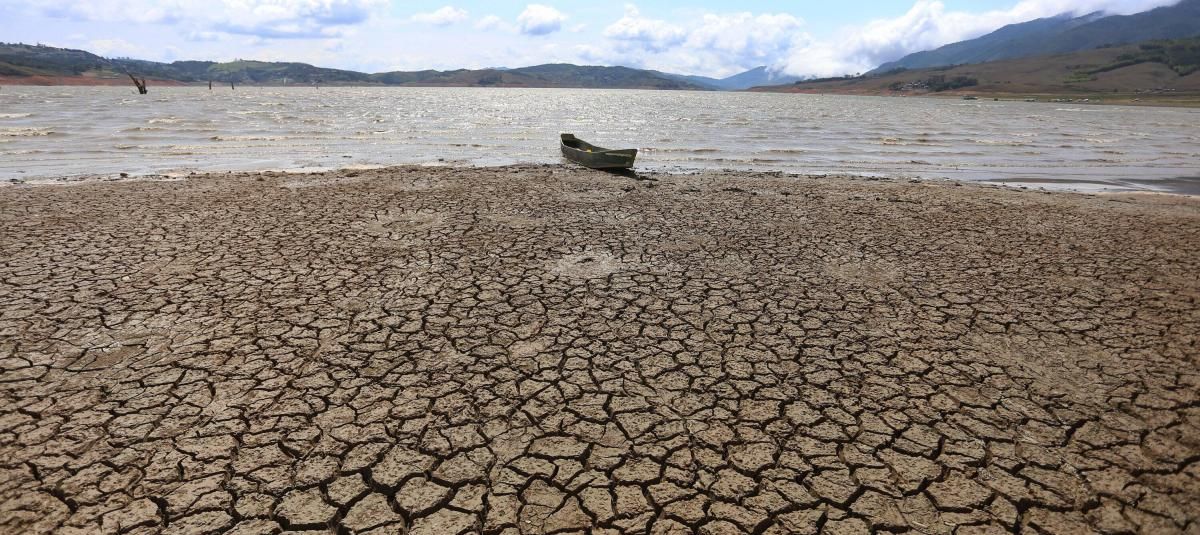 The global producing centers that feed into the update put the likelihood of the event persisting through February 2027 at “nearly 100%”
 El Niño is firmly established in the tropical Pacific and will intensify over the coming months into a very strong event, peaking towards the end of 2026 and with climate effects extending well into 2027, according to an update released on Thursday by the World Meteorological Organization (WMO) in Geneva.
The global producing centers that feed into the update put the likelihood of the event persisting through February 2027 at “nearly 100%.” It is the first time a WMO El Niño/La Niña Update has been so unequivocal, which the organization attributes to the strong agreement among the models across its network.
The Niño 3.4 index, the most widely used measure of sea-surface temperature anomalies in the central and eastern equatorial Pacific, averaged 1.5 °C above normal between May and July and 2 °C in July. Weekly values rose further between late July and mid-August, ranging from 2.2 °C to 2.6 °C above average. Warming below the surface is even more pronounced: in some areas, subsurface ocean temperatures exceeded normal values by more than 8 °C during July and early August.
“El Niño is being supersized before our eyes. The science leaves no room for doubt: the planet is in uncharted waters, and those waters are heating up,” said UN Secretary-General António Guterres in a message issued alongside the update. “The race now is between rising risks and our commitment to take climate action and protect people. We must win that race,” he added.
WMO Secretary-General Celeste Saulo warned that the event has the potential “to deliver a massive blow to communities and economies across the world,” and said disruption from droughts and floods is already visible. “Never before in the 50-year history of the World Meteorological Organization have we launched such a major mobilization” with national meteorological and hydrological services, she said.
The organization stresses, however, that the strength of an event alone does not determine how severe its impacts will be in any individual country or region. Effects vary by location and season and can be modified by other climate drivers, including conditions in the Indian and Atlantic Oceans. A positive phase of the Indian Ocean Dipole is expected to develop over the September-November quarter, reaching a seasonal mean of 0.9 °C, with above-normal temperatures in the equatorial Atlantic.
In South America, intense El Niño events have historically been associated with above-normal rainfall across the La Plata basin — southern Brazil, Uruguay, Paraguay and northeastern Argentina — and along the coast of Ecuador and northern Peru, and with drier conditions in Colombia, Venezuela, northern Brazil and the Andean highlands.
El Niño occurs every two to seven years, lasts around nine to twelve months and typically peaks between November and February. The WMO notes that it is a natural phenomenon and is not caused by climate change, although its influence on global temperatures can extend beyond the period of peak ocean warming.


Top Comments
Disclaimer & comment rulesCommenting for this story is now closed.
If you have a Facebook account, become a fan and comment on our Facebook Page!