MercoPress. South Atlantic News Agency

De la Espriella completes his first month with a full reversal of Petro's diplomacy
 The Colombian government also restored diplomatic relations with Israel, severed under Petro, and recognised Moroccan sovereignty over Western Sahara
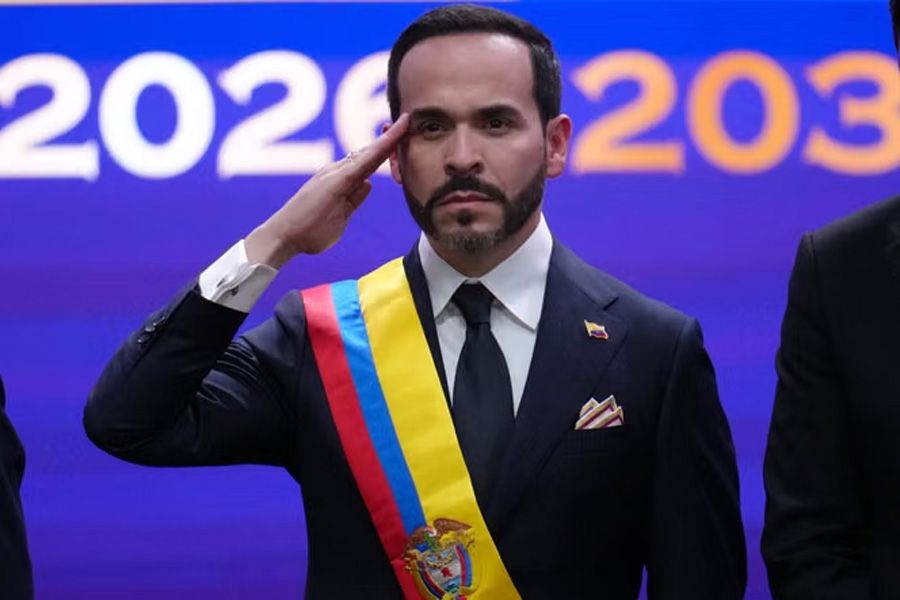
 Colombian President Abelardo de la Espriella completed his first month in office on Monday with a series of foreign policy decisions that reverse his predecessor Gustavo Petro's approach and tighten alignment with the United States and Israel.
The most significant was the recognition, on August 10, of Israeli sovereignty over the Golan Heights, Syrian territory occupied since 1967 and unilaterally annexed in 1981. UN Security Council Resolution 497 declared that annexation null and void and without international legal effect. Colombia thus became the second country in the world to take that step, after the United States in 2019. The foreign ministry justified it by citing “persistent regional instability in the Middle East” and the territory's strategic importance for Israel's defence. Syria expressed its “categorical rejection”. Israeli Foreign Minister Gideon Sa'ar, who had attended the inauguration in Cali, called it historic and said he would seek to bring other countries on board. The Colombian government also restored diplomatic relations with Israel, severed under Petro, and recognised Moroccan sovereignty over Western Sahara.
On the military front, US Defence Secretary Pete Hegseth announced that Colombia had authorised US military operations on Colombian territory. No Colombian authority has commented on that authorisation or its terms. Southern Command chief General Francis L. Donovan met Defence Minister Jorge Mora, a retired general, during a recent visit and set as priorities operations on the Ecuadorean border, surveillance of the Pacific and rehabilitation of the air fleet. De la Espriella joined the Shield of the Americas, the initiative promoted by Donald Trump to coordinate counter-narcotics efforts with like-minded governments, and meets Secretary of State Marco Rubio on Tuesday.
Trump's ambassador-designate in Bogotá said Colombia would withdraw from the Belt and Road Initiative, the Chinese investment programme Petro had committed to joining. Colombia's foreign ministry has made no official announcement on that either. China takes part in projects including the Bogotá metro.
Relations with Venezuela, with which Colombia shares a border of more than 2,200 kilometres, will be channelled through the US State Department, according to statements by the president and vice-president José Manuel Restrepo.
International affairs specialist Sandra Borda, of Universidad de Los Andes, described the opening period as “a kind of pre-emptive diplomacy to please” and warned that “enthusiastic alignments are a very bad idea in an uncertain international environment”. Former diplomat Eduardo Pizarro Leongómez said the Golan recognition would cost Colombia support at the United Nations. De la Espriella has pledged not to leave the country during his term, so Restrepo will lead the delegation to the coming General Assembly.


Top Comments
Disclaimer & comment rulesCommenting for this story is now closed.
If you have a Facebook account, become a fan and comment on our Facebook Page!