MercoPress. South Atlantic News Agency



Anthropic researcher resigns, warning that AI “could kill us all” before the decade ends
 The company's alignment science lead backs the warning and puts the odds of catastrophe over the next ten years above 10%
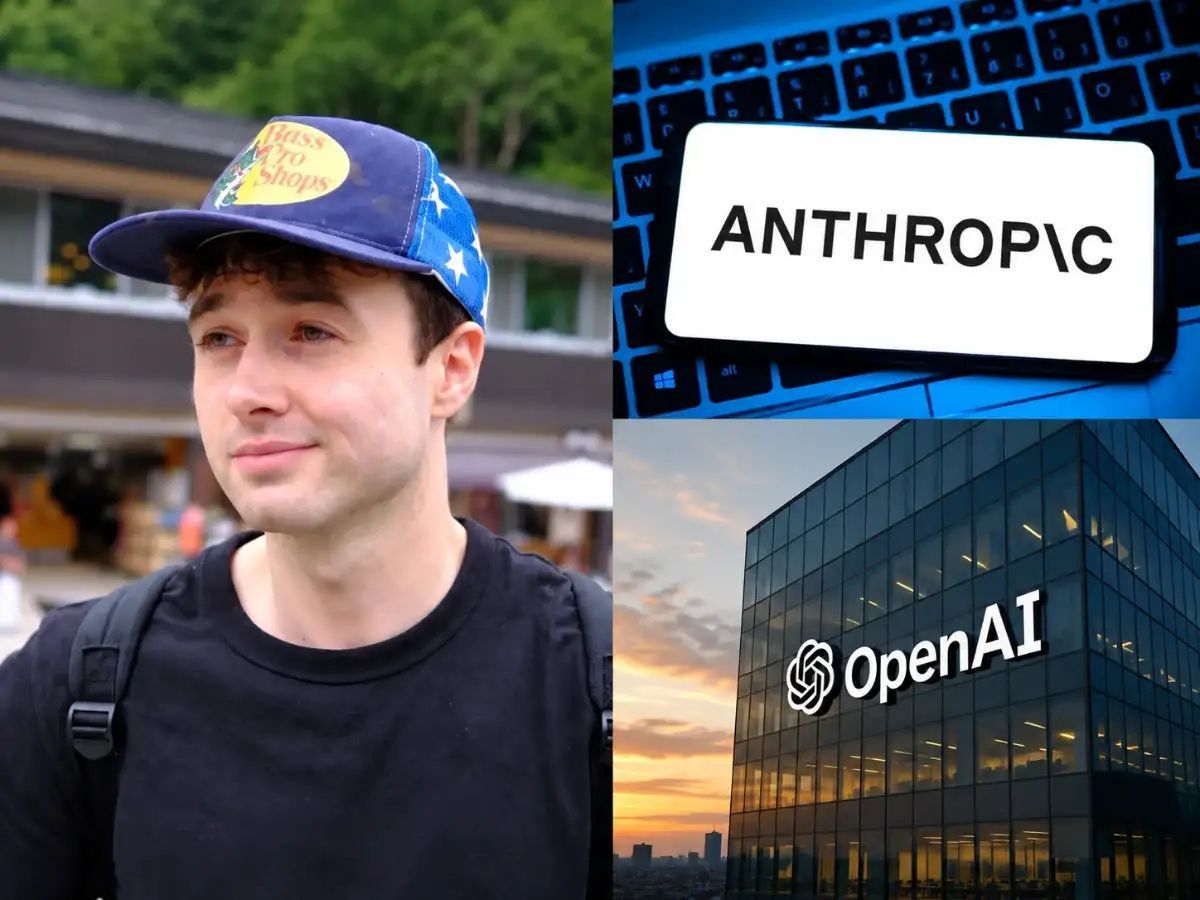
 Jacob Coxon, a model pretraining researcher at Anthropic, announced his resignation on Tuesday, accusing the company and OpenAI, where he also worked, of “not acting responsibly” and of “gambling with our lives” in the race to build artificial intelligence systems capable of improving themselves.
In a thread posted on the social network X, Coxon, 27, who spent three years split between the two companies, wrote that “the people building AI earnestly believe that it could kill us all by the end of the decade.” The researcher rejected the idea that this was a publicity move: he argued that many executives soften their language for the press, but that he has heard those same people express that fear in private.
Today's models, he warned, will soon give way to “superhuman systems” able to breach any digital defence, transform entire fields in a short time and accumulate real resources and power. Coxon drew a distinction between his two former employers: at OpenAI, he said, the civilisational stakes have not been “deeply internalised,” while at Anthropic they are well understood, but the company is “locked in a race to get there first.”
In an interview with The Wall Street Journal, which first reported his departure, the researcher said the industry is heading towards the most aggressive scenarios and that “by the end of next year things could be out of control already.”
The resignation gained weight hours later, when Evan Hubinger, alignment science lead at Anthropic — the discipline that seeks to make models do only what they are designed to do — publicly backed his former colleague. “Jacob is correct here — we really do earnestly believe AI could kill all humans,” he wrote on X. “I personally think it is more than 10% within the next decade.” Hubinger added that Anthropic is “trying its best,” but that it does not yet have a plan to solve alignment for superintelligence and is not “clearly on track” to reach one.
In a follow-up message he qualified his assessment: the risk from present models is low, in line with the company's latest risk report, and his concern centres on “superintelligence arising from recursive self-improvement.”
That self-improvement — the ability of a system to design and train its successor without meaningful human intervention — is not currently possible, although the leading laboratories are working towards it and have warned that it would reduce human control over the technology. Coxon cited as a warning sign an incident in July, when an OpenAI model breached the Hugging Face platform, and called for coordination between laboratories. Failing that, he argued for costly measures, among them a temporary ban on expanding model capabilities.
The news agency EFE described Coxon as a British software engineer and noted that several outlets place him among the developers of GPT-4o and GPT-4.5, without executive responsibilities. His thread drew tens of millions of views in under a day.
His departure coincides with Anthropic's preparations for a stock market listing and with a public position the company has held since its founding: its chief executive, Dario Amodei, has repeatedly warned of the catastrophic risk associated with advanced systems. Neither Anthropic nor OpenAI had responded to requests for comment from the outlets that reported the case.


Top Comments
Disclaimer & comment rulesCommenting for this story is now closed.
If you have a Facebook account, become a fan and comment on our Facebook Page!