MercoPress. South Atlantic News Agency

Poverty in Argentina rises to 32.3%, ending two years of decline
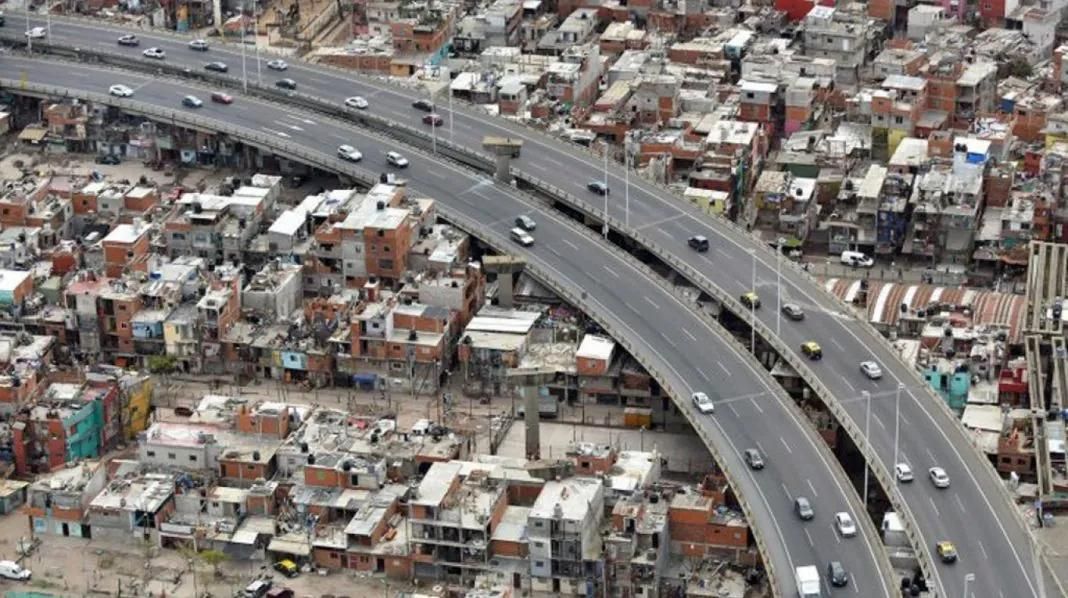 The measurement covers the 31 urban agglomerations surveyed by the Permanent Household Survey, where 9,729,000 people fell below the poverty line and 2,249,000 below the extreme poverty line
 Poverty in Argentina reached 32.3% of people in the first half of 2026, an increase of 4.1 percentage points on the second half of 2025, the National Institute of Statistics and Census reported on Thursday. The figure interrupts the downward path the indicator had followed since mid-2024. Extreme poverty rose 1.2 points, from 6.3% to 7.5%.
The measurement covers the 31 urban agglomerations surveyed by the Permanent Household Survey, where 9,729,000 people fell below the poverty line and 2,249,000 below the extreme poverty line. Projected to the country as a whole, estimates published by Argentine media place the figure at between 15.4 and 15.5 million people in poverty and around 3.6 million in extreme poverty. In household terms, 24.4% fell below the poverty line and 5.6% below the extreme poverty line.
The year-on-year comparison gives a different result. Against the first half of 2025, when poverty stood at 31.6% and extreme poverty at 6.9%, the increases are 0.7 and 0.6 points respectively. The second-half 2025 reading of 28.2% had been the lowest since 2018, when it closed at 27.3%.
In Argentina poverty is measured by income: the cost of a basic basket is compared with each household's available resources, making the indicator sensitive to inflation. In June, a family of four needed 1,531,473 pesos to stay above the poverty line and 689,853 to avoid extreme poverty.
Figures by age show a higher incidence among children: 44.5% of those under 14 live in households below the poverty line, against 36.9% among those aged 15 to 29 and 28.8% among those aged 30 to 64. Geographical differences are also pronounced. Concordia recorded the highest level, at 56.2%, followed by Gran Resistencia at 48.6% and Posadas at 42.2%. In the Buenos Aires metropolitan area, the surrounding districts reached 36.9% against 11.1% in the City of Buenos Aires. Agglomerations of fewer than 500,000 inhabitants recorded a 4.9-point rise, greater than the 3.9 points in larger centres.
Leopoldo Tornarolli, a researcher at the Centre for Distributive, Labour and Social Studies at the National University of La Plata, said the result “is not a surprise” and confirms a trend already visible between the third and fourth quarters of last year, though the scale of the rise was larger than expected. He attributed it to two factors: the increase in inflation between May 2025 and March 2026, and weak dynamism in the formal labour market. He said the slowdown in prices in recent months has probably already halted the rise, but warned that returning to a sustained path of reduction requires “a more dynamic labour market”.
The agency simultaneously released economic activity data showing a 2.9% fall in July compared with June. Economy Minister Luis Caputo attributed it to “transitory shocks”: lower gas availability for industry, exceptional rain and snowfall, and fewer hours worked in some sectors because of the football World Cup. On poverty, he said on X that both rates “recorded a sharp fall relative to the first half of 2024”.
In that half, the first of Javier Milei's administration, poverty had reached 52.9% and extreme poverty 18.1%, following the devaluation of more than 110% and the price corrections implemented in December 2023. Hours before the report was released, Milei had told business figures at Citi's headquarters in New York that his administration had lifted “14 million people out of poverty” and that “we are the ones who have done the most for the most vulnerable sectors”.


Top Comments
Disclaimer & comment rulesCommenting for this story is now closed.
If you have a Facebook account, become a fan and comment on our Facebook Page!