MercoPress. South Atlantic News Agency



Latin American airports will need US$178 billion to nearly double their traffic
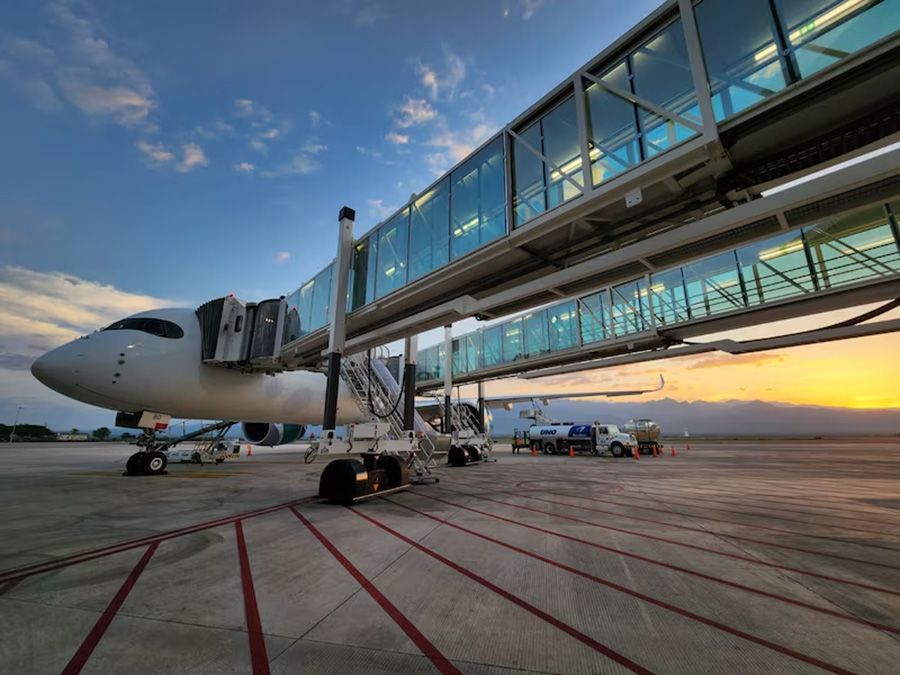 The organisation also argued that airport charges, set by each country's regulators rather than by the airports themselves, account for a small share of airline costs
 Airports in Latin America and the Caribbean will require investment of around US$178 billion over the next thirty years to handle demand that would rise from 809 million passengers this year to around 1.5 billion in 2045, according to projections presented in Lima at the annual assembly of Airports Council International.
The director general of the organisation's regional branch, ACI-LAC, Rafael Echevarne, estimated long-term growth of 3.1% a year and said annual infrastructure spending would need to rise from about US$3.4 billion to between US$8.6 and 8.7 billion by mid-century. In the first half of 2026, regional passenger traffic grew 1.9% and cargo 3.6%. The gathering this week brings together more than 600 executives, officials and specialists from the sector.
Globally, ACI estimates the sector will need around US$4.6 trillion in investment through 2055, after a record 9.8 billion passengers in 2025 and 4.7 billion in the first half of this year. “What really matters now is how we make sure our industry is ready for this growth,” said ACI World director general Justin Erbacci.
Echevarne warned that connectivity within the region has not recovered since the pandemic. “We have lost 20% of the city pairs we had connected,” he said, placing the loss mainly at regional airports in Peru, Ecuador and Chile. He put forward liberalisation of air transport as the main tool to reverse it: “We need to move from signing treaties of good intentions to putting that opening into practice.”
The organisation also argued that airport charges, set by each country's regulators rather than by the airports themselves, account for a small share of airline costs. According to IATA figures cited at the meeting, they represent 4.3% of operating costs globally and 5.5% in the region when air traffic control fees are included. The average charge is around US$9 per passenger.
Brazil leads regional traffic with 235 million passengers in 2025, followed by Mexico with 191 million, Colombia with 100, Argentina with 50, Peru with 43 and Chile with 36. In international trips per inhabitant, Uruguay ranks third among the Latin American countries surveyed, at 0.67, behind the Dominican Republic and Costa Rica, and nearly double Argentina's 0.34. Panama leads in total traffic per inhabitant, at 4.59.
In Argentina, the government on Monday formalised the extension to 2049 of the concession for 35 airports held by Aeropuertos Argentina, part of the Corporación América group, with an option to extend to 2056. The original concession was due to expire in 2038. The company will invest US$600 million, three quarters of it before the end of 2031, with no tariff increases and a reference internal rate of return of 14.3%, below the 17% it had sought.


Top Comments
Disclaimer & comment rulesCommenting for this story is now closed.
If you have a Facebook account, become a fan and comment on our Facebook Page!