MercoPress. South Atlantic News Agency



Why Ethereum’s Dollar Value Matters as Latin America Expands Digital Payments
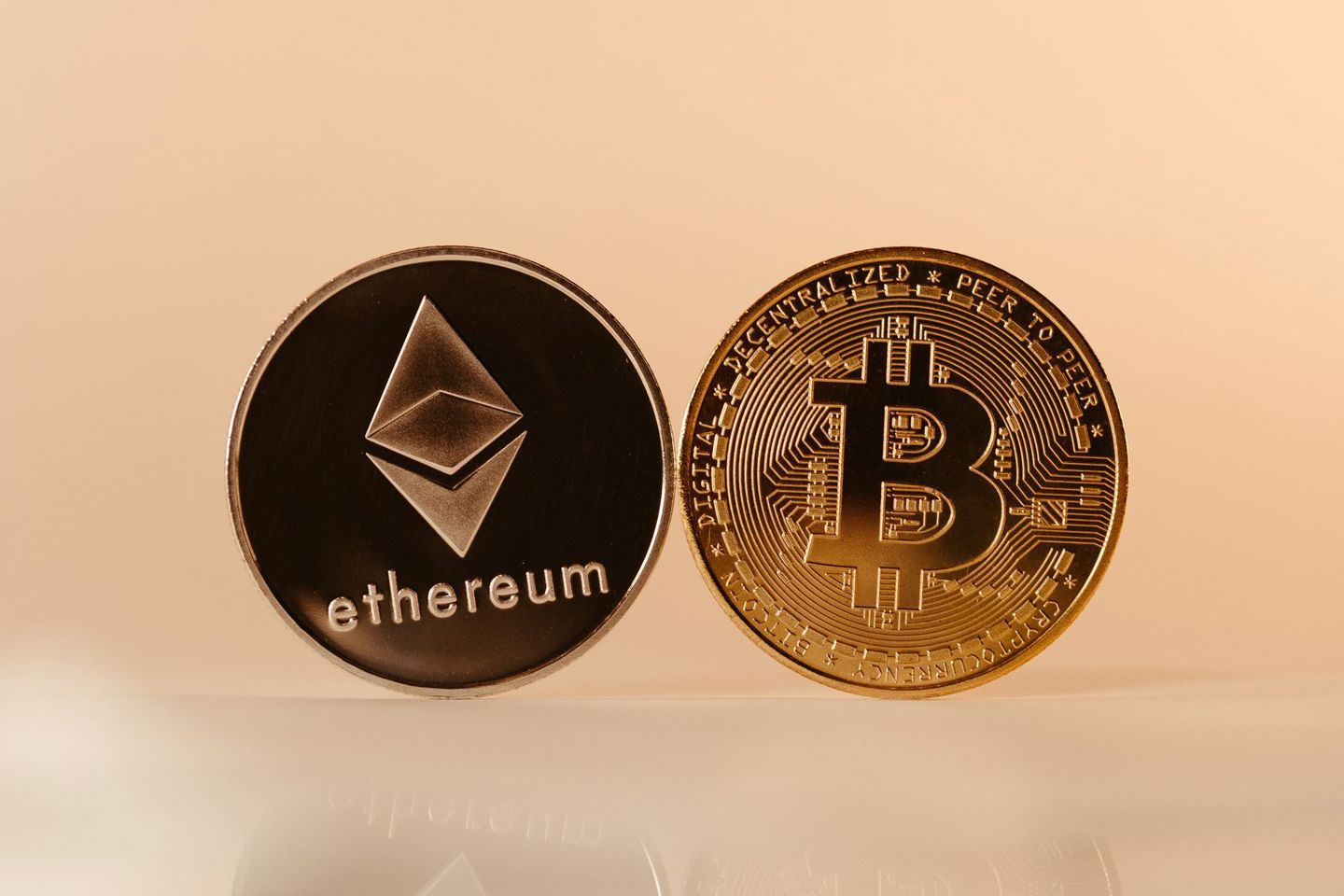
A designer in Montevideo can finish work for a company in São Paulo after the banks have closed. The transfer may involve two currencies, several providers and a wait before the final amount becomes clear. Stablecoin services offer a different route.
Ethereum matters because many digital dollars operate across its main network and associated layer-two networks. The Ethereum to USD page from Binance put ETH at approximately $2,582.88 on 20 September 2026. Its market capitalisation stood near $315.3 billion on the same date. Both figures move continuously. For a company using Ethereum-based infrastructure, the price can influence the dollar cost of processing a transfer, even when the customer sends a stablecoin rather than ETH.
Why Is Ethereum Relevant to Latin American Payments?
Ethereum provides the base infrastructure for stablecoins, wallets and payment applications. Transactions sent directly through the network require a fee paid in ETH. The sender may never intend to keep ETH, yet its dollar value can still shape the cost.
More companies across the Latin American economy now sell services online or work with overseas customers. Most will encounter Ethereum through a platform that manages the wallet, conversion and network connection.
Payment activity is increasingly moving beyond Ethereum's main network. Data sourced from growthepie and Etherscan show that mainnet transactions have remained near 1.1 million a day. Layer-two networks recorded a one-day high of approximately 12.5 million transactions in 2026, more than 140% above the level at the beginning of the year. That gap shows how much activity has shifted away from the main network. A payment application can use Ethereum-based infrastructure without placing every transaction directly on the main chain.
Why Are Dollar-Linked Digital Payments Growing?
Cross-border transfers can become expensive in small stages. A receiving charge may appear first, followed by a currency spread and another fee for moving the money into a local account.
The Financial Stability Board's work on cross-border payments identifies four longstanding problems: cost, speed, limited access and insufficient transparency. These affect established channels as well as newer alternatives.
Global payment behaviour is also changing. In its June 2026 market review, Binance Research reported that crypto-card spending was growing at roughly twice the pace of stablecoin supply. The finding is not specific to Latin America, but it shows digital balances moving closer to conventional checkout systems.
Return to the contractor in Uruguay. If the Brazilian client uses stablecoin settlement, the payment could arrive outside banking hours in a dollar-linked form. The contractor would then need to convert it into Uruguayan pesos or transfer it to a bank account. A network charge and conversion fee may still apply. What matters is the amount that reaches the contractor, not the speed advertised at the start. That distinction is important for small firms, which often judge a payment service by the final sum received.
How Does the ETH-Dollar Rate Change a Payment's Cost?
Ethereum charges are calculated in ETH. Their dollar value depends on how much ETH the transaction requires and what that ETH is worth at the time.
Take a hypothetical charge of 0.001 ETH. Using the 20 September price of $2,582.88, the fee would be about $2.58. It could change on another day even if the required amount of ETH stayed the same. Some providers send transactions directly through Ethereum, while others use layer-two systems that process activity separately before submitting records to the main network. Providers may combine every charge into one price or ask the customer to cover the network fee separately.
Binance's current Ethereum overview notes that the Fusaka upgrade introduced PeerDAS and capacity adjustments intended to help layer-two networks process more activity without placing the same burden on Ethereum nodes. For payment services, that work matters when it produces clearer costs and dependable processing.
What Is Happening on Ethereum's Layer-Two Networks?
Stablecoin balances are appearing on networks built around Ethereum rather than only on its main chain. Data compiled through growthepie and Etherscan put combined layer-two stablecoin supply at approximately $9.7 billion in 2026. That amount does not represent Latin American spending or show how many individual payments took place. It does indicate that layer-two networks carry enough dollar-linked value to interest wallet developers and payment companies.
The combination of a 12.5 million-transaction record and $9.7 billion in stablecoins gives this part of Ethereum a different role. Layer-two systems can handle frequent, lower-value activity while Ethereum provides the underlying settlement connection. A large network does not guarantee a smooth payment experience. Businesses still need usable records, secure access and a dependable route into local currency. Refunds may also become awkward when several providers manage separate stages.
What Will Decide Whether Regional Use Continues?
Ethereum-based payments will remain useful only when they solve an identifiable problem for the sender or recipient. A faster transfer has limited value if charges are unclear or conversion is difficult. Tracking ETH in dollars explains one part of the cost. Stronger evidence will come from payment volumes, stablecoin use and whether funds consistently reach recipients without adding another layer of confusion.
Pam Brown: Finance, loans, crypto & forex
Pam Brown is a journalist with exceptional analytical skills and a strong interest in modern financial systems. She specialises in translating complex topics like crypto, loans, and forex into clear, accessible content. Pam's precise, research-driven writing has made her a trusted voice in the financial and fintech space.


Top Comments
Disclaimer & comment rulesCommenting for this story is now closed.
If you have a Facebook account, become a fan and comment on our Facebook Page!