MercoPress. South Atlantic News Agency



The IMF urges Argentina to “stay the course” despite doubts over growth and country risk
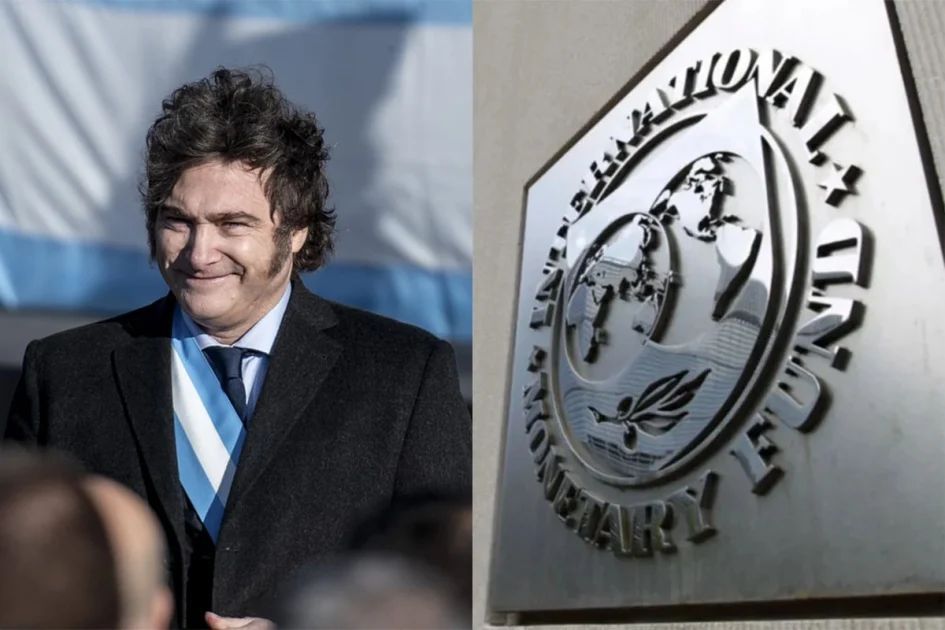 On Tuesday, IMF staff and the Argentine authorities reached agreement on the third review of the Extended Fund Facility programme, which would allow a disbursement of about US$900 million
The International Monetary Fund (IMF) on Thursday urged Argentina’s government to stick with its economic programme as the best way to reduce country risk, and set out four measures to turn the gains of stabilisation into growth and jobs, at a time when the press is warning of a possible technical recession.
“Our best advice for Argentina to continue reducing its country risk is to continue with its strong policy implementation, that is, to keep implementing the programme as it has been doing,” IMF spokeswoman Julie Kozack told her press briefing in Washington. She added that accumulating net international reserves and strengthening the external position are “really fundamental” to that end. “Our overall message on Argentina is really to stay the course with strong policies while broadening the benefits,” she said.
Asked about the possibility of the economy recording two consecutive quarters of contraction, Kozack said the Fund and the government agreed on “the importance of expanding the gains of stabilisation into stronger growth and job creation”. She listed four agreed measures: deepening capital and mortgage markets to widen access to financing; improving labour market flexibility to support private-sector employment; advancing recently awarded infrastructure concessions; and facilitating strategic investment under the Incentive Regime for Large Investments (RIGI), where approved projects already exceed US$76 billion, according to the Fund.
On Tuesday, IMF staff and the Argentine authorities reached agreement on the third review of the Extended Fund Facility programme, which would allow a disbursement of about US$900 million. Kozack said the board could consider it in early December. The Fund said the programme “continues to deliver impressive results, despite a more complex global environment”: net reserves exceeded the June target by about US$4 billion, the Central Bank bought nearly US$16 billion this year and the Treasury raised more than US$5 billion in local markets. The government, backed by official creditors, also secured US$3.2 billion in guaranteed international bank financing and is working on a further US$1 billion before year-end.
The agreement keeps the target of a primary surplus of 1.4% of GDP for 2026 and a similar effort in 2027, along with the exchange rate band regime. In October, the IMF cut its 2026 growth forecast for Argentina from 3.5% to 2.1%.


Top Comments
Disclaimer & comment rulesNo comments for this story
Please log in or register (it’s free!) to comment. Login with Facebook