MercoPress. South Atlantic News Agency


Argentina’s Sea Lion case could founder on Falklands sovereignty, a legal expert warns
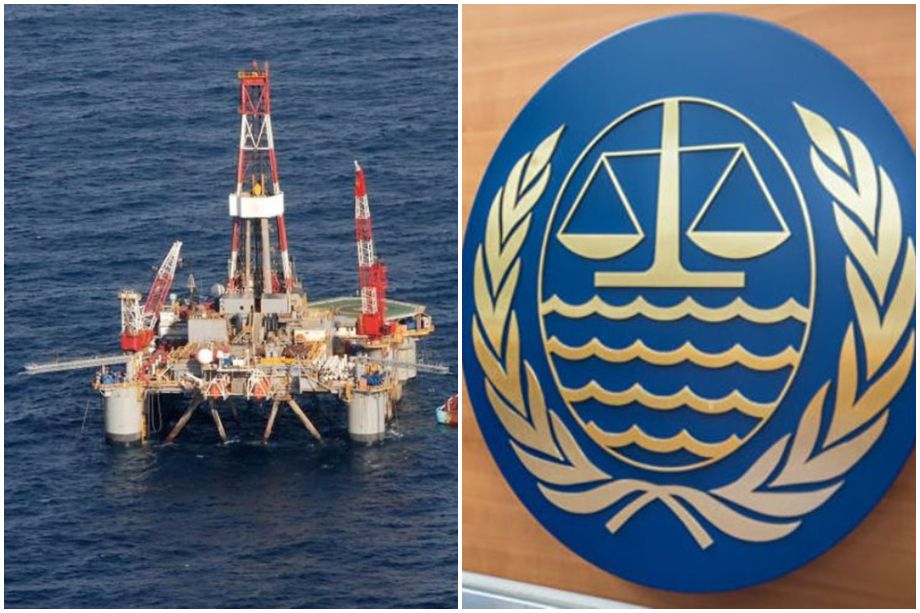 The expert believes Argentina will pursue every legal, diplomatic and political avenue to block the project, and suggests that Milei may also be seeking to stir national pride ahead of the elections
Argentina’s case against the United Kingdom over the Sea Lion oil project north of the Falklands “could fall at the first hurdle”: the jurisdiction of the International Tribunal for the Law of the Sea, which cannot settle territorial sovereignty disputes, according to Australian law of the sea expert Donald R. Rothwell. The tribunal will hold hearings on Argentina’s request on November 10 and 11 in Hamburg.
In an analysis published by The Interpreter, the Lowy Institute’s publication, Rothwell, professor of international law at the Australian National University, notes that under Article 286 of the United Nations Convention on the Law of the Sea the tribunal is only competent to settle disputes “concerning the interpretation or application” of the treaty. Territorial disputes have traditionally fallen to the International Court of Justice.
The problem, he argues, is that Argentina’s case cannot be separated from the underlying question. “If the UK has sovereignty over the islands, then Sea Lion is a legitimate act of exploration and exploitation of the continental shelf. If the Argentine claim over the islands is valid, then the UK’s conduct is in breach of UNCLOS,” he writes. Argentina alleges that the UK is illegally exploiting the continental shelf, that the project will cause environmental damage and that issuing licences aggravates the dispute over the maritime areas. “Absent the underlying territorial dispute, these would all be legitimate issues for ITLOS determination,” the expert says.
Rothwell compares the case with the 2016 South China Sea arbitration, in which the Philippines “neatly sidestepped” the question of sovereignty over disputed features and focused on China’s maritime claims, so there was never a need to determine who owned what. That, he warns, will not be possible in the case of the South Atlantic islands. Even so, he acknowledges that the tribunal “has generally been reluctant to take a narrow view of its jurisdiction” and recalls that, in the maritime boundary dispute between Mauritius and the Maldives around the Chagos Archipelago, it reached a full determination even though sovereignty between Mauritius and the UK was not fully resolved at the time.
The legal expert believes Argentina will pursue every legal, diplomatic and political avenue to block the project, and suggests that President Javier Milei may also be seeking to stir national pride ahead of the 2027 elections. He adds that US President Donald Trump could intervene, unhappy at the limited British support over Iran; Washington officially remains neutral in the dispute, although Trump has said that position is “under review”. “London will inevitably robustly defend its position on all fronts,” Rothwell predicts, adding that if the case proceeds it will be historic: the first time any aspect of the dispute has gone before an international court.
Sea Lion, operated by Israel’s Navitas Petroleum and Britain’s Rockhopper Exploration, lies about 200 kilometres north of the archipelago. Argentina bases its claim on succession to Spanish rights and on its occupation of the islands between 1820 and 1833, when they were taken by the United Kingdom; London cites its continuous presence since then and the islanders’ right to self-determination, confirmed in the 2013 referendum by 99.8% of voters.

Top Comments
Disclaimer & comment rulesNo comments for this story
Please log in or register (it’s free!) to comment. Login with Facebook