MercoPress. South Atlantic News Agency
Argentina
-
Saturday, May 1st 2021 - 08:47 UTC
Mercosur partners sign e-commerce agreement
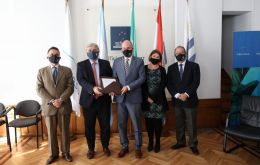
The four founding and still full members of Mercosur - Argentina, Brazil, Paraguay and Uruguay – Friday signed in Montevideo the bloc's electronic commerce accord which had been agreed on at the Common Market Council virtual Meeting last December, it was announced.
-
Saturday, May 1st 2021 - 08:16 UTC
Maradona's death could have been prevented, court doctors say

Medical experts appointed by the Office of the Prosecutor investigating the death of Diego Armando Maradona Friday concluded the Argentine football star lacked proper health care assistance and that he might have survived under different conditions.
-
Friday, April 30th 2021 - 08:30 UTC
Ford increases output in Argentina, hires more workers

Despite all pandemic-related setbacks, Ford's carmaking plant in Pacheco, 30 kilometres northwest of the Autonomous City of Buenos Aires (CABA) in Argentina, has increased its output of the Ranger model, for which 256 new personnel has been hired, it was reported.
-
Thursday, April 29th 2021 - 09:40 UTC
Argentina interested in manufacturing Cuban vaccine against covid-19
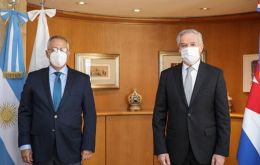
Argentine Foreign Minister Felipe Solá Wednesday discussed with Cuba's Ambassador to Buenos Aires the possibility of developing locally a Cuban-created vaccine against covid-19, it was announced.
-
Wednesday, April 28th 2021 - 09:57 UTC
Argentina halts exports of oxygen to meet domestic health demand
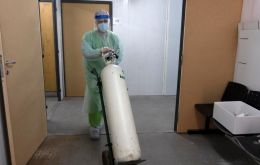
Argentina is cancelling all exports of oxygen to cope with growing domestic demand, Productive Development Minister Matías Kulfas announced Tuesday.
-
Wednesday, April 28th 2021 - 09:49 UTC
Jigging fleet finds large squid off Falklands – season not over yet
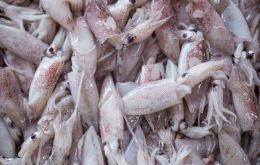
As the catching season seemed over for Puerto Deseado's fleet, the new finding brought relief to the squid sector and work now may continue for a while.
-
Tuesday, April 27th 2021 - 09:50 UTC
External tariffs discussed at Mercosur foreign ministers virtual meeting

The Government of Argentina Monday submitted a proposal for the average reduction of the Common External Tariffs during a virtual meeting of Southern Common Market (Mercosur)'s Foreign Ministers, it was announced.
-
Tuesday, April 27th 2021 - 09:27 UTC
Chilean truck drivers retaliate for roadblocks, isolate Tierra del Fuego
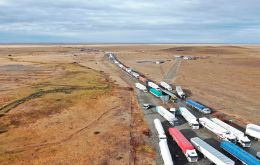
The Argentine Province of Tierra del Fuego continues to be isolated from the mainland since this past weekend as lorries keep blocking the Chilean road linking it to the Province of Santa Cruz, leaving the only sea and air travel available.
-
Tuesday, April 27th 2021 - 09:01 UTC
Argentina: Buenos Aires prepares for stricter measures against Covid-19
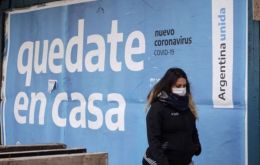
A group of advisers to the Argentine President assessed the coronavirus situation Monday, after which further restrictive measures to be announced shortly appear inevitable.
-
Monday, April 26th 2021 - 09:03 UTC
Venezuela remains the most “miserable” country - Argentina not far behind

Venezuela easily held to the dubious honour of being at the top of the list of the 2020 Global Economic Misery Index, while Argentina was merely seven notches behind.

