MercoPress. South Atlantic News Agency
Economy
-
Friday, October 26th 2012 - 20:25 UTC
Falklands estimates oil earnings at 25% of gross value of the resource extracted
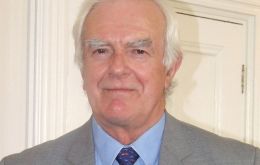
The Falkland Islands Government (FIG) is likely to earn somewhere in the region of 25 to 30% of the gross value of the oil resource spread over an expected field life of 25 years, it was stated at a public meeting in the capital Stanley earlier this week.
-
Friday, October 26th 2012 - 07:24 UTC
Falklands’ 2013 referendum: determined to be masters of their future

A group of Central American journalists recently visited the Falkland Islands for a week as guests of the Foreign Office together with Bruce Callow from the UK Costa Rica embassy. During Mr Callow wrote in his blog about the experience regarding important issues for the Falklands such as the referendum next March on the future of the Islands.
-
Friday, October 26th 2012 - 07:11 UTC
Believe it or not: Falklands, a nation with a comfortable budget surplus
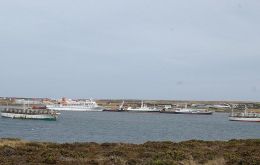
The Falkland Islands Government accounts showed a surplus of £4.297 million compared to a revised budget surplus of £2.448 million (a positive performance of £3.190 million) for the first three months of the 2012/13 financial year, according to the Financial Management Report presented this week to the Standing Finance Committee.
-
Friday, October 26th 2012 - 07:06 UTC
Falklands to build a new deep-water port to cater for the oil and gas industry

The Falkland Islands will have a new deep-water port facility capable of meeting the demands of all incumbent industries it was announced following this week's meeting of Executive Council (ExCo).
-
Friday, October 26th 2012 - 06:40 UTC
Argentina admits Libertad is the 29th asset impound case by ‘vulture’ funds
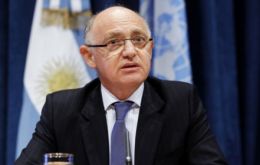
Argentina finally admitted that the retaining of the training frigate ARA Libertad in Ghana is not an isolated case since the so called ‘vulture’ funds have managed to impound a total of 28 assets including the presidential aircraft Tango 01, bank accounts, property and even a satellite.
-
Friday, October 26th 2012 - 06:38 UTC
Moody’s lowers Argentina’s foreign currency bonds’ ceiling to b3 from b2

Moody's lowered on Thursday Argentina's foreign-currency bond ceiling to b3 from b2 in line with bonds in local currency on growing concerns of market access for the private sector and local governments.
-
Friday, October 26th 2012 - 00:57 UTC
Brazil renews tax cuts for local carmakers until 2013 to help industry and jobs
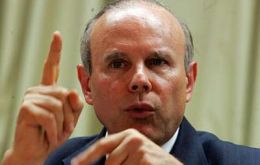
Brazil will renew tax cuts for local carmakers through the end of the year, President Dilma Rousseff announced this week, extending a key economic stimulus measure to help recovery in Latin America's largest economy.
-
Friday, October 26th 2012 - 00:14 UTC
Brazil central bank says ‘recovery in underway’ and inflation in ‘under control’

Brazil Central Bank President Alexandre Tombini Tuesday said “there are consistent signs that the recovery of economic growth is underway” and insisted despite some market skepticism, that inflation is “under control.”
-
Thursday, October 25th 2012 - 19:21 UTC
Big business call on US Congress to cut the budget deficit with tax reform

Chief executives of more than 80 big US corporations, including Goldman Sachs, JPMorgan and Boeing, joined forces today to pressure Congress to reduce the federal deficit with tax reform and spending cuts.
-
Thursday, October 25th 2012 - 19:12 UTC
Hong Kong intervenes to weaken its currency, threatened by capital inflow surge
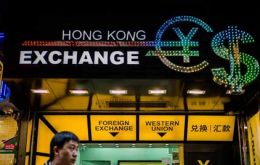
Hong Kong's central bank has intervened in financial markets again, weakening the value of its currency after it jumped in value. This follows similar moves on Sunday and pushes the total cost of intervention in the past week to 14.3bn Hong Kong dollars (1.85bn dollars).