MercoPress. South Atlantic News Agency
Economy
-
Wednesday, March 23rd 2022 - 09:40 UTC
President Fernández, Georgieva hold talk ahead of IMF's board vote

Argentine President Alberto Fernández Tuesday held a virtual meeting with International Monetary Fund (IMF) Managing Director Kristalina Georgieva, during which he ratified his Government's commitment to the new program agreed upon.
-
Wednesday, March 23rd 2022 - 09:26 UTC
Ukraine anticipates spring crops cut by half; only 7 out of 15 million hectares were sown
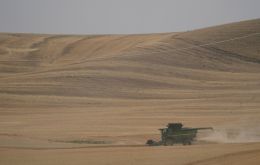
As a result of the Russian invasion, Ukraine's agricultural minister Roman Leshchenko said he expects his country's spring crop area may be halved this year to only 7 million hectares.
-
Wednesday, March 23rd 2022 - 09:22 UTC
Forum of Brazilian Governors agrees on tax freezing to curb inflation

A forum of Brazilian Governors Tuesday agreed to extend for another 90 days the freeze on the average Tax on Merchandise Circulation (ICMS) that is levied on gasoline, ethanol and cooking gas to help mitigate inflation's impact on the citizenry's purchasing power, it was announced.
-
Wednesday, March 23rd 2022 - 09:15 UTC
Brazilian two-month record breaking sales of soybeans and rice
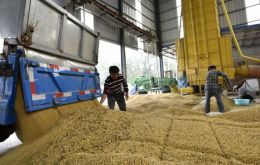
Brazilian oilseeds and grain exports are booming. China's purchases of soybeans more than doubled in the first two months of the year, while husk rice overseas sales during February jumped 65% compared to a year ago.
-
Wednesday, March 23rd 2022 - 09:04 UTC
Punta del Este needs more schools to accommodate new residents

The exclusive Uruguayan beach resort of Punta del Este is experiencing an increase in the development and establishment of schools, as migrating inflows of Argentines and also of people from other parts of the country to become permanent residents have put pressure on the demand.
-
Monday, March 21st 2022 - 22:26 UTC
Argentina reopens soybean exports
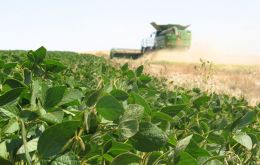
The Government of Argentina Monday went back on its steps and reopened exports of soybeans and their by-products after a decision on March 13 to close the registry for sales abroad imposed by Undersecretary of Agricultural Markets Javier Preciado Patiño.
-
Monday, March 21st 2022 - 09:43 UTC
Petropar lowers price of fuel at pumps effective March 21
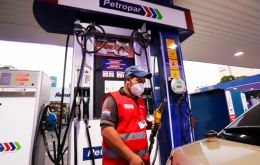
The price of fuel at pumps in Paraguay will be reduced as of Monday, the state-run company Petropar has announced.
-
Saturday, March 19th 2022 - 10:07 UTC
Uruguay seeks to exonerate VAT on popular meat cut, announced Lacalle Pou

Uruguayan President Luis Lacalle Pou said on Friday that the Executive Branch will send to the Legislative a bill to exonerate VAT on asado de tira, a popular meat cut, as the Ukraine war takes its toll on the cost of food worldwide.
-
Saturday, March 19th 2022 - 09:40 UTC
Argentine President announces measures to curb inflation
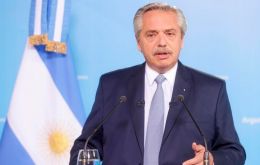
Argentine President Alberto Fernández Friday announced through a recorded message from the Olivos Residence the creation of a “stabilization fund.” The head of state's words came on the day he had promised the fight against inflation would begin.
-
Friday, March 18th 2022 - 20:35 UTC
Truckers relax measures but remain on strike over fuel price in Paraguay

Paraguayan lorry drivers have vowed to ease down their road-blocking measures after they were promised a reduction in the price of fuel.

