MercoPress. South Atlantic News Agency
Economy
-
Thursday, April 25th 2019 - 08:37 UTC
UK approves “non-core” Huawei 5G data network despite warnings of security risk
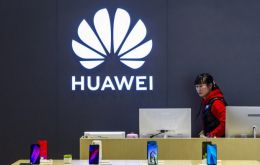
The UK government has approved the supply of equipment by Chinese telecoms firm Huawei for the UK's new 5G data network despite warnings of a security risk. There is no formal confirmation but the Daily Telegraph says Huawei will build “non-core” components such as antennas.
-
Thursday, April 25th 2019 - 08:09 UTC
Closer ties between China and the Development Bank of Latin America
The head of a top Latin American financial institution believes China's Belt and Road Initiative, or BRI, could help inject new dynamism into the world economy, as well as generate new ideas to foster more connectivity between Asia and Latin America. Luis Carranza Ugarte, executive president and CEO of CAF-Development Bank of Latin America-is attending the second Belt and Road Forum for International Cooperation in Beijing this week.
-
Wednesday, April 24th 2019 - 11:36 UTC
Argentina trying to sell its soy bumper crop to China
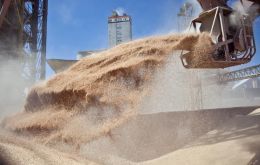
Argentina is pushing to increase agricultural trade with commodities-hungry China, as farmers on the country’s Pampas grains belt prepare for what is expected to be a bumper soybean harvest over the weeks ahead.
-
Wednesday, April 24th 2019 - 09:19 UTC
Brazilian markets fly as pension reform receives political backing in Congress
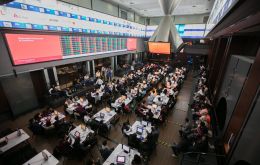
Brazilian markets rose on Tuesday after the path was cleared for a congressional committee vote on pension reform, a sign that the government is finally getting political backing for the most important element of its economic reform agenda.
-
Wednesday, April 24th 2019 - 09:15 UTC
IMF also concerned with the increase in the poverty rate in Argentina

An official with the International Monetary Fund has declared that the increase in the poverty rate in Argentina could force the government to rethink its spending plans and “protect the poor.”
-
Wednesday, April 24th 2019 - 09:01 UTC
Four Brazilian banks under investigation on competition issues
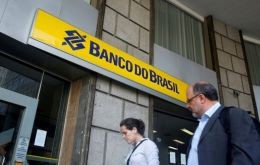
Brazil’s antitrust watchdog Cade is investigating four banks in the country for allegedly creating competition hurdles to digital banking newcomer Nubank, the watchdog said in a statement on Monday.
-
Wednesday, April 24th 2019 - 08:28 UTC
Trump to the rescue of Harley Davidson motorbikes: threatens to reciprocate “unfair” EU tariffs
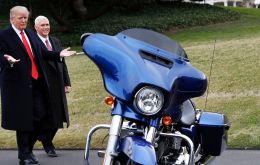
Donald Trump has vowed to reciprocate against “unfair” European Union trade duties on Harley Davidson motorbikes. The US President had previously criticized the US bike maker for its plans to shift American production overseas to avoid EU tariffs.
-
Tuesday, April 23rd 2019 - 09:18 UTC
Argentina managed a quarterly primary surplus during the first quarter
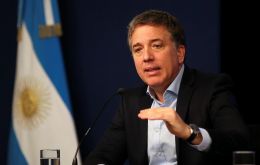
Argentina ran a primary fiscal deficit of 13.037 billion pesos (US$ 305.32 million) in March, the country’s Treasury minister Nicolás Dujovne said at a press conference on Monday, though posted a first-quarter surplus of 10.347 billion pesos.
-
Tuesday, April 23rd 2019 - 09:08 UTC
Brazilian central bank survey reveals growing expectation about pension reform
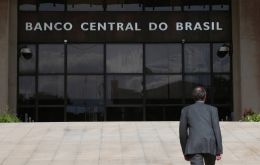
Economists continue to slash their forecasts for Brazilian economic growth this year, according to a closely watched survey published on Monday, intensifying the spotlight on a key Congressional vote on pension reform later in the week.
-
Tuesday, April 23rd 2019 - 09:00 UTC
US threatens sanctions on countries that continue to purchase Iranian oil: crude hits six month highs
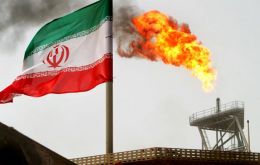
The United States on Monday demanded that buyers of Iranian oil stop purchases by May 1 or face sanctions, a move to choke off Tehran's oil revenues which sent crude prices to six-month highs on fears of a potential supply crunch.