MercoPress. South Atlantic News Agency
Environment
-
Friday, November 13th 2009 - 01:01 UTC
Five-day ozone UV radiation alert in Punta Arenas
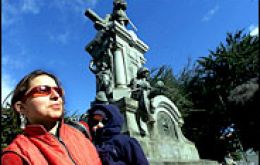
The Ozone Laboratory from the University of Magallanes in Punta Arenas, extreme south of Chile has been recording the highest ultra violet indexes of the season and warned this week about exposure to sun light.
-
Wednesday, November 11th 2009 - 10:55 UTC
IEA forecasts 40% energy demand growth by 2030; mostly fossil fuels

World global demand for energy which has fallen in 2009 because of the recession is forecasted to soar 40% by 2030 and the Copenhagen summit next month will be “crucial” to design an energy sustainable future according to the “World Energy Outlook 2009” released in London by the International Energy Agency.
-
Wednesday, November 11th 2009 - 10:29 UTC
Fighting to get Atlantic albatrosses off the hook

As scientists gather in Recife, Brazil, to agree on quotas for the Atlantic and Mediterranean stocks of tuna and swordfish in the latest round of fisheries talks, the RSPB (Royal Society for the Protection of Birds) and BirdLife International are reminding delegates that at least 37 species of seabirds are at risk from these fisheries.
-
Wednesday, November 11th 2009 - 04:26 UTC
UK proposal turns south of South Orkney Islands a Marine Protected Area

The British Government announced on Tuesday an ambitious plan at enhancing environmental protection of the world’s oceans and the Antarctic and including the designation of the world first “high seas” marine protected area south of the South Orkney Islands (once a Falklands dependency).
-
Tuesday, November 10th 2009 - 11:37 UTC
Phytoplankton flourishes in Antarctic open areas of water where ice retreated
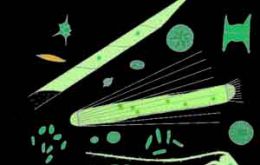
Large blooms of tiny marine plants called phytoplankton are flourishing in areas of open water left exposed by the recent and rapid melting of ice shelves and glaciers around the Antarctic Peninsula.
-
Tuesday, November 10th 2009 - 08:23 UTC
New UK energy plan anticipates 40% nuclear power by 2025

A huge expansion of nuclear power was signalled Monday by the British Government as it named 10 sites where new power stations could be built. The first is set to be operational by 2018 and, by 2025 nuclear electricity generation could amount to around 40% of new energy provision.
-
Monday, November 9th 2009 - 09:06 UTC
Lack of rain threatens the world’s highest lake in the world
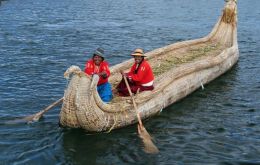
The lack of rains in most of Bolivia has caused the level of the highest lake in the world, Titicaca, shared by Bolivia and Peru, to drop 4.5 metres in the last month, according to government reports quoted in La Paz press.
-
Friday, November 6th 2009 - 04:19 UTC
Caracas short or power and water for next six months
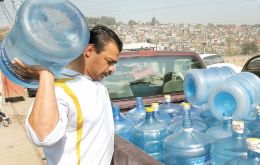
Venezuelan president Hugo Chavez warned he will go after all those industries and factories private or government managed, that waste power and/or water.
-
Tuesday, November 3rd 2009 - 08:38 UTC
Mega German project to power Europe with the Sahara sun
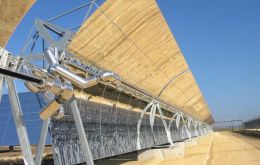
Plans to provide 15% of Europe’s power from solar power generators in the Sahara by 2050 have moved a step forward with the formation of a consortium of companies. The German-led Desertec Industrial Initiative (DII) has signed up 12 companies including E.ON, RWE, ABB, Siemens and Deutsche Bank, as well as solar specialists ABENGOA Solar, SCHOTT Solar and MAN Solar Millennium.
-
Tuesday, November 3rd 2009 - 08:32 UTC
How scientists cracked puzzle of the Falklands wolf
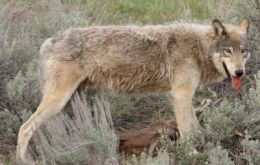
The origin of the mysterious Falkland Islands wolf, which was persecuted to extinction in the late 19th century, may finally have been solved, 175 years after Charles Darwin puzzled over the nature of this curious fox-like creature, according to a piece written by The Independent Science editor Steve Connor on the Monday edition.