MercoPress. South Atlantic News Agency
International
-
Friday, November 5th 2010 - 00:51 UTC
Bank of England leaves interest rates and liquidity resources unchanged
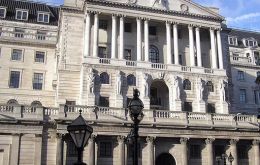
The Bank of England held UK interest rates at a record low and decided not to pump more money into the economy via quantitative easing (QE). The Thursday decision to make no change to policy comes after recent figures on the UK economy showed good growth.
-
Thursday, November 4th 2010 - 20:59 UTC
Dilma Rousseff, the most powerful person in Latinamerica according to Forbes
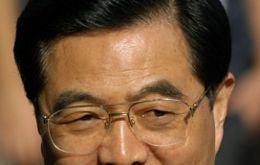
Brazilian president-elect Dilma Rousseff was included in Forbes magazine latest list of the 68 most powerful people in the world which is headed by Chinese president Hu Jintao.
-
Thursday, November 4th 2010 - 20:04 UTC
Trichet does not believe the US is actively weakening the dollar by printing money
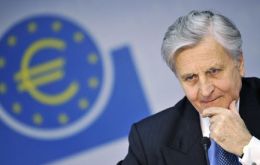
European Central Bank President Jean-Claude Trichet said on Thursday he did not think the United States was actively trying to weaken the dollar by printing money, despite criticism from emerging economic powerhouses.
-
Thursday, November 4th 2010 - 19:54 UTC
Germany blasts latest US Fed Reserve plan to pump more money

German Economy Minister Rainer Brüederle from the liberal FDP blasted the United States monetary expansive policy which is geared to prop the declining US economy with strong liquidity injections.
-
Thursday, November 4th 2010 - 19:31 UTC
Emerging economies ready to counter the Federal Reserve latest liquidity injection

Asia and Latinamerica emerging economies anticipated that they would be implementing new measures to limit the inflow of capitals following on the United States Federal Reserve announcement that it would pump more liquidity into the faltering US economy.
-
Thursday, November 4th 2010 - 15:49 UTC
Spain wants to renew bilateral talks with UK on Gibraltar’s sovereignty
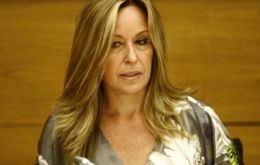
New Spanish Foreign Minister Trinidad Jiménez has declared that her objective in respect of Gibraltar is “to generate enough confidence to renew bilateral talks about Gibraltar’s sovereignty with the British Government.”
-
Thursday, November 4th 2010 - 02:08 UTC
China set to grow 10% this year, but risks of property bubble warns World Bank
The World Bank has raised its growth forecasts for the Chinese economy. However the bank warns of risks from the surging property market and bank lending.
-
Wednesday, November 3rd 2010 - 22:23 UTC
The “Entente Frugale” and Falklands: controversy in UK press
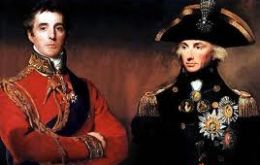
Elements of the British press have expressed concern that despite close political ties at present, a 50-year military treaty with France could jeopardize Britain’s ability to react independently, for example in the Falkland Islands, according to France 24-International News which makes a summary of the British press reactions.
-
Wednesday, November 3rd 2010 - 22:04 UTC
“We have no plan to retake the Falklands, because we don’t plan to lose them”
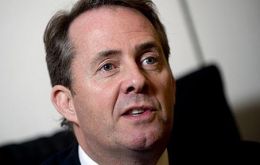
The incident occurred in the House of Commons and involved UK Defence Secretary Liam Fox and Labour MP Thomas Docherty, as was reported by James Kirkup in the Daily Telegraph.
-
Wednesday, November 3rd 2010 - 00:27 UTC
China offers to finance US infrastructure and help create jobs
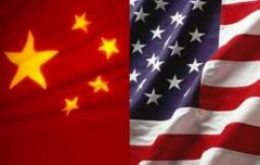
China’s sovereign wealth fund has urged the Obama administration to spend 1trillion US dollars on infrastructure over the next five years, to create jobs and improve US competitiveness.

