MercoPress. South Atlantic News Agency
Tag: Chile elections
-
Tuesday, December 14th 2021 - 09:50 UTC
Kast closes in on Boric ahead of Chile's presidential runoff

A new survey has shown Conservative candidate José Antonio Kast has narrowed the gap between him and his leftwing opponent Gabriel Boric, who according to most polls, is expected to win the Dec. 19 presidential runoff in Chile.
-
Monday, December 6th 2021 - 07:06 UTC
Mapuches strike again in southern Chile
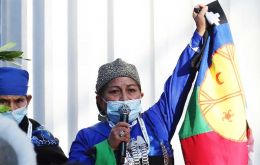
With just about two weeks to go before the highly-polarized presidential elections between radical candidates from the left and the right, a group claiming to be fighting for the rights of the Mapuche indigenous peoples Friday committed yet another arson attack in the Biobio region in southern Chile. The fire affected a house and two sheds, it was reported.
-
Saturday, December 4th 2021 - 09:45 UTC
Kast now vows to defend women's rights if elected President of Chile
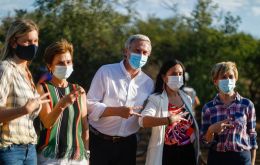
Chile's far-right presidential candidate José Antonio Kast Friday apologized for previous mistakes and vowed not to terminate the Women's Ministry if he is elected on December 19.
-
Wednesday, November 24th 2021 - 09:12 UTC
The main “political party” of Chile's presidential election: 50% + abstention
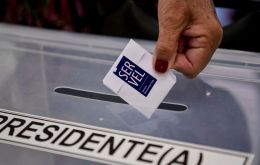
Although long queues at voting places and the delay suffered by many voters gave the impression that last Sunday's election in Chile had triggered a massive attendance, later in the day the Electoral Service figures showed exactly the contrary, just over 7 million Chileans bothered to go and vote for the next Chilean president.
-
Wednesday, November 24th 2021 - 08:00 UTC
Chile's first transgender Deputy-elect says LGBT community afraid of Kast

Emilia Schneider Sunday became Chile's first-ever transgender person elected to the national Congress. At age 25, she admitted the LGTBI community was afraid of what may happen if far-right candidate José Antonio Kast wins Dec. 19's presidential runoff.
-
Monday, November 22nd 2021 - 23:05 UTC
Kast is very much anti-Argentine, says ambassador
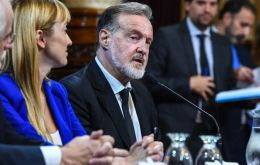
Argentina's Ambassador in Santiago, Rafael Bielsa, said right-wing candidate José Antonio Kast, who finished first in Sunday's elections was an anti-Argentine Pinochetist “that dares speak its name” and likened him to former US President Donald Trump and current Brazilian head of state Jair Bolsonaro.
-
Saturday, November 6th 2021 - 09:41 UTC
Chilean conservative candidate leads in polls for presidential November 14 dispute

On Friday public opinion pollster Cadem released its latest survey of vote intention for the highly contested Chilean November 14 presidential election with conservative candidate Jose Antonio Kast leading with 25% followed by a young radical, with no government experience, Gabriel Boric, with 19%, who is also under quarantine for having tested positive to coronavirus.
-
Wednesday, October 20th 2021 - 09:15 UTC
Two dead, 450 arrested as looting marks 2nd anniversary of Chilean uprising
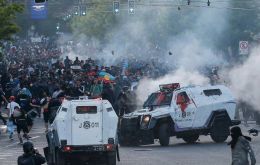
At least two people have died and no less than 450 others were arrested Monday in Santiago and other parts of Chile as demonstrators took to the streets to commemorate the second anniversary of the popular uprisings which led to a series of changes, including a Constitutional reform which is currently being drafted.
-
Tuesday, September 28th 2021 - 09:35 UTC
Visiting president Piñera and Lacalle Pou address health and post pandemic issues
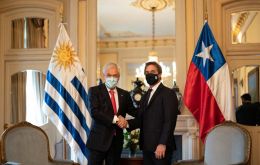
Trade, health and the post-pandemic, communications and the Pacific basin were some of the issues addressed by Chilean president Sebastian Piñera with his Uruguayan peer, Luis Lacalle Pou, during a one-day visit to Montevideo.
-
Tuesday, August 24th 2021 - 09:30 UTC
Two center-left candidates to vie for Chile's presidency on November 21
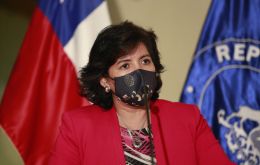
Chile's Progressive Party (PRO) leader Marco Enríquez Ominami Monday announced he would run for the country's presidency, which dealt an unexpected blow to the centre-left's efforts following the launch of Christian Democrat Yasna Provoste's candidacy Saturday.