MercoPress. South Atlantic News Agency
Tag: IMF
-
Thursday, August 27th 2020 - 08:43 UTC
Argentina notifies IMF of a request for a new fund arrangement

IMF Managing Director Kristalina Georgieva, spoke with Argentina President Alberto Fernández on Wednesday, when conversations for a new credit arrangement were launched. The Managing Director made the following statement at the conclusion of the meeting:
-
Wednesday, August 12th 2020 - 09:59 UTC
Investors are now focused on the IMF and Argentina’s fiscal policy, “which has been hard to come by”
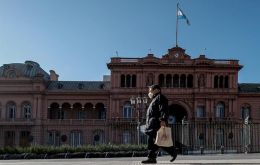
After reaching a US$ 65 billion restructuring agreement in principle with its creditors earlier this month, Argentina must now turn to relief from the International Monetary Fund to free up cash in the near term, the Institute of International Finance, IIF said on Tuesday.
-
Wednesday, August 5th 2020 - 08:56 UTC
Argentina reaches an agreement with majority of creditors and looks to convince the undecided
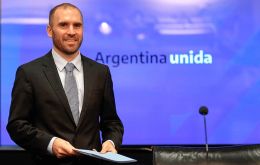
Argentina has reached an agreement with creditors to restructure around US$ 65 billion in sovereign debt, breaking a deadlock in talks that will help the country climb out of default and banish fears of a damaging and protracted legal standoff.
-
Wednesday, August 5th 2020 - 08:55 UTC
Argentina deal with bondholders was at 54,8 cents to the dollar; next step IMF negotiations

Argentina is battling to escape from a messy ninth sovereign default as it firefights recession, stubborn inflation, and increasingly wary investors. The country announced on Tuesday it had reached an agreement with creditors to restructure around US$ 65 billion in foreign debt, breaking a deadlock over recent weeks and setting the stage for a formal deal later this month.
-
Wednesday, July 29th 2020 - 09:58 UTC
Minister confirms Argentina will seek a new support program from IMF

Argentina will seek a new program with the International Monetary Fund whatever the outcome of talks with holders of its US$ 65 billion of defaulted overseas bonds, Economy minister Martin Guzman said.
-
Tuesday, July 21st 2020 - 08:45 UTC
Ecuador closer to reach a US$ 17,4bn debt overhaul agreement with bondholders
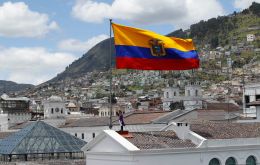
Ecuador pushed forward with its debt overhaul plans on Monday, requesting a vote among its creditors on reconfiguring the terms of US$ 17.4 billion of its external bonds, with its largest group of creditors backing the proposal.
-
Wednesday, July 8th 2020 - 08:38 UTC
IMF praises Argentina's latest debt offer to creditors
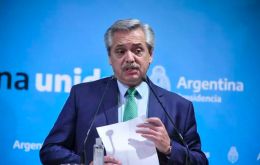
A spokesperson for the International Monetary Fund said on Tuesday that Argentina’s latest debt offer to its creditors is “an important step” in the restructuring process.
-
Friday, May 22nd 2020 - 08:37 UTC
IMF optimistic Argentina and creditors can reach an agreement
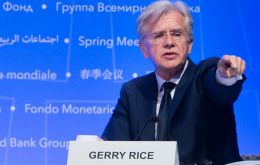
The International Monetary Fund expressed optimism that Argentina can reach an agreement with private creditors “to establish a sustainable path in the future” when the government of President Alberto Fernandez formally extended the deadline term to reach an understanding on the US$ 67 billion debt.
-
Saturday, May 16th 2020 - 07:57 UTC
IMF calls on digital companies' responsible behavior as the “big winners from the pandemic”
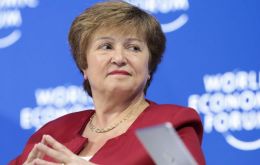
The technology companies that are reaping gains as a result of increased reliance on online systems during coronavirus quarantines and lockdowns should work to increase access to the digital economy for all, the head of the IMF said on Friday.
-
Thursday, May 14th 2020 - 08:15 UTC
Chile requests IMF US$ 23,8 billion, under the Flexible Credit Line
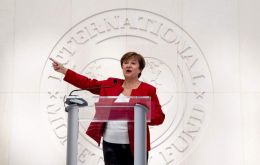
The International Monetary Fund (IMF) Executive Board met on Wednesday in an informal session to discuss a request from the Chilean authorities for a two-year arrangement under the Flexible Credit Line (FCL) with the IMF in an amount equivalent to SDR 17.443 billion (about US$23.8 billion or 1,000 percent of quota).

