MercoPress. South Atlantic News Agency



Venezuela: Chevron tanker departs for Texas
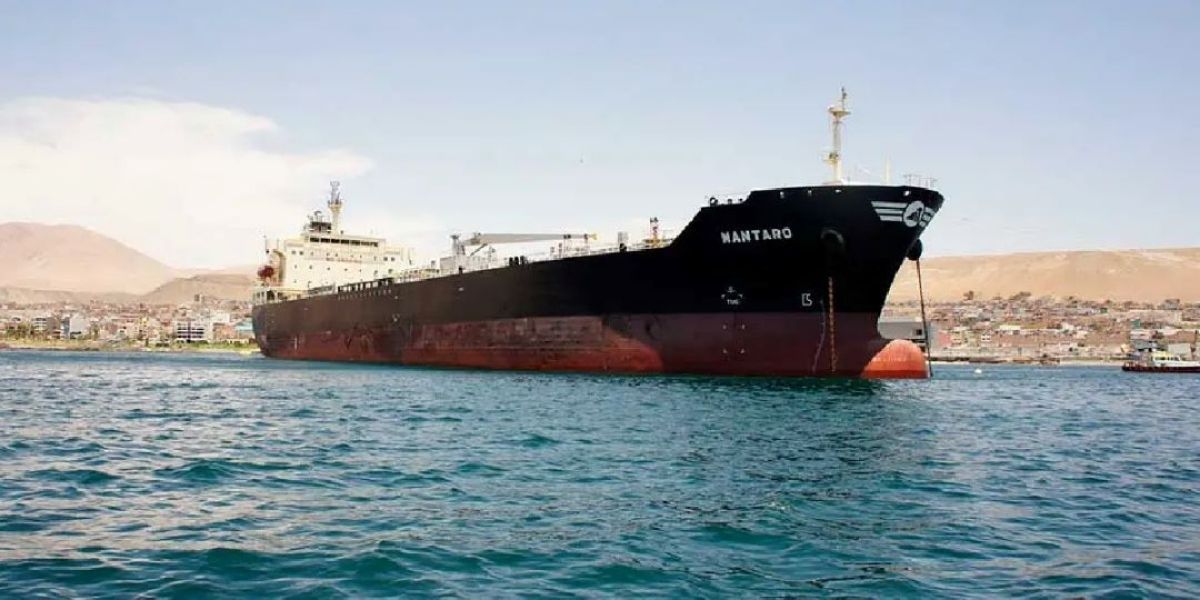 One tanker was seized on Saturday, and another one was being chased on Sunday by US forces
 The Canopus Voyager, a tanker operated by US energy giant Chevron, departed Venezuelan waters on Sunday carrying 500,000 barrels of crude oil destined for Texas. The shipment proceeds despite an aggressive campaign by the President Donald Trump administration to intercept Venezuelan oil exports in international waters.
The departure was confirmed by Venezuelan Vice President and Minister of Hydrocarbons, Delcy Rodríguez. In a statement released via Telegram, Rodríguez emphasized that the operation was conducted “in strict accordance with international rules” and fulfills existing commercial commitments.
The shipment is part of a complex legal framework that allows Chevron to maintain limited operations in Venezuela. Rodríguez framed the departure as a victory for Venezuelan sovereignty, stating, “Nothing and no one will stop our country on its path to progress.”
The Canopus Voyager’s journey occurs against a backdrop of severe maritime tension. On Saturday, the Venezuelan Foreign Ministry issued a formal denunciation of what it termed the “hijacking” of a separate private vessel and the “forced disappearance” of its crew by US military personnel, violating international law, specifically the 1988 Convention for the Suppression of Unlawful Acts against the Safety of Maritime Navigation and the Geneva Convention on the High Seas.
Claiming that US forces are illegally seizing cargo and personnel in international waters to choke the Venezuelan economy, Caracas has spoken of “acts of piracy.” The Bolivarian regime also contended that the US actions extended beyond state-owned vessels to include third-party private tankers.
The Trump administration has recently intensified its “maximum pressure” campaign, utilizing the US Southern Command (Southcom) to conduct strikes and interceptions in the Caribbean Sea. Washington maintains these actions are aimed at dismantling “narcoterrorist” financing, while Caracas maintains they are a pretext for a colonialist blockade.
Despite these threats, the Venezuelan state oil company, PDVSA, recently claimed to have exceeded production targets, reaching 1,200,000 barrels per day. The continued operation of Chevron serves as a rare, functional link between the two nations' economies amidst the escalating military standoff.
Reports from Reuters and other news outlets on Sunday mentioned that the United States Coast Guard was actively pursuing a third oil tanker in international waters near Venezuela. The wires did not mention whether it was the Canopus Voyager. However, US officials confirmed that the Coast Guard was tracking a vessel identified as part of Venezuela's “dark fleet,” a network of ships used to bypass international sanctions. The vessel was reportedly flying a false flag to circumvent a US judicial seizure warrant.
This is the second such operation this weekend and the third in less than a week. Previous seizures include a tanker named The Skipper and another identified by some outlets as the Bella 1 (linked to Iran and Hezbollah).


Top Comments
Disclaimer & comment rulesCommenting for this story is now closed.
If you have a Facebook account, become a fan and comment on our Facebook Page!