MercoPress. South Atlantic News Agency



Uruguay's Economy Minister worried by too much success
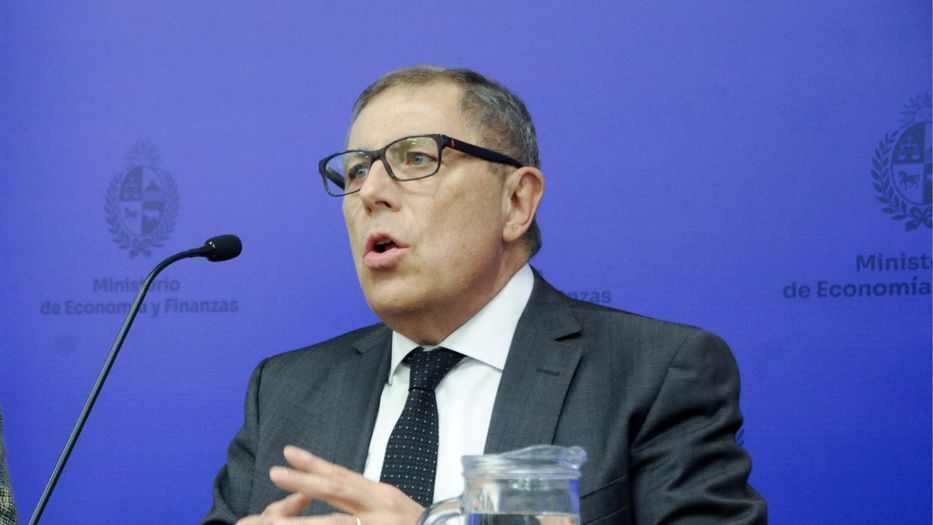 Falling below the Central Bank's target can be as “undesirable” as exceeding it, Oddone explained
 Uruguay's Economy Minister Gabriel Oddone announced Monday that his country's GDP was projected to expand by 2.3% this year. While the figure is slightly lower than initial government forecasts, Oddone emphasized that it represents more than double the average growth rate seen over the past decade.
In a radio interview, Oddone provided a roadmap for President Yamandú Orsi's administration, projecting continued momentum with a 2.4% growth rate for 2026. He highlighted several “robust” indicators, such as 15,000 new jobs added over the last year, plus the largest-ever debt issuance in national currency, which Oddone described as a “confirmation of market confidence” in the government's macroeconomic strategy.
With an annualized inflation of 4.09% in November, marking its lowest level in two decades, Uruguayans should now be concerned about the price of stability, Oddone hinted. Despite the positive growth outlook, the minister admitted he was “not comfortable” with two specific phenomena: the sharp decline of the US dollar and the “overachievement” of the inflation target.
The greenback is currently trading near 39 Uruguayan pesos, a significant drop from the 44 pesos earlier this year. Oddone attributed this to high demand for pesos in December and January due to year-end bonus payments and a broad weakening of the dollar against international currencies.
While low inflation is generally a success, Oddone warned that falling below the Central Bank's (BCU) target can be as “undesirable” as exceeding it if it damages national competitiveness.
Addressing concerns from exporters and business leaders who have seen their profit margins squeezed by the exchange rate, Oddone was blunt regarding the limits of government intervention. “It is important that the Uruguayan business community understands that the state is not a price insurer,” he stated.
He further clarified that while the government seeks consistency, it cannot fight global currency trends that are beyond the control of a small economy like Uruguay's.
The focus now turns to Tuesday's meeting of the Monetary Policy Committee (Copom). While the Uruguayan Central Bank (BCU) operates independently, Oddone confirmed that the Ministry was closely monitoring the situation. The committee is expected to decide whether to adjust interest rates to address the “transitory or seasonal” phenomena currently pressuring the exchange rate and keeping inflation below the desired midpoint.


Top Comments
Disclaimer & comment rulesCommenting for this story is now closed.
If you have a Facebook account, become a fan and comment on our Facebook Page!