MercoPress. South Atlantic News Agency

US to suspend immigrant visas for 75 countries, including Uruguay; Orsi calls it a “worrying signal”
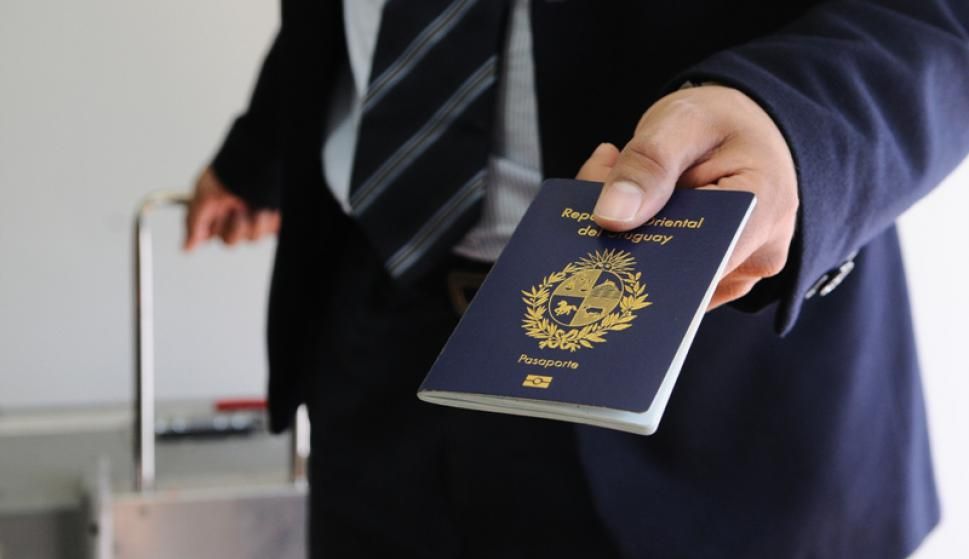 The US State Department said the suspension will remain in place until the government can ensure that new immigrants “do not extract wealth from the American people.”
 Uruguay’s President Yamandú Orsi said he was concerned by Washington’s decision to pause immigrant visa issuance for citizens of 75 countries —including Uruguay— starting January 21, with no end date announced. “In numerical terms it’s not very important, but as a signal it certainly worries us,” Orsi said after meeting US Ambassador Lou Rinaldi at the presidential residence in Montevideo.
Orsi has already met with US Ambassador to Uruguay Lou Rinaldi, during which Orsi conveyed his concern over the suspension of immigrant visas. According to official sources, the ambassador said in the meeting that he had been in contact with the White House to “clarify” the situation, while the Uruguayan government continues to seek further details on the scope of the measure and its potential impact on Uruguayan nationals.
What Washington said
The US State Department said the suspension will remain in place until the government can ensure that new immigrants “do not extract wealth from the American people.” The move is grounded in the Immigration and Nationality Act, which allows visas to be denied to applicants deemed likely to become a “public charge.”
Last November, the Trump administration instructed consular offices to tighten screening criteria, including the consideration of certain health conditions. State Department spokesperson Tommy Piggott said the policy aims to prevent abuse of US public resources.
Only three South American countries —Brazil, Uruguay and Colombia— are included among the 75 affected, alongside several nations from Central America and the Caribbean. Immigrant visas are typically sought by foreign nationals intending to live and work permanently in the United States, often through family or employer sponsorship.
Regional backdrop: Venezuela after Maduro’s capture
The visa decision comes amid heightened US engagement in Latin America following the January 3 operation in Venezuela that led to Nicolás Maduro’s capture and transfer to the United States.
Since then, acting president Delcy Rodríguez has announced limited prisoner releases, framing them as part of a new political phase. Rights groups, however, dispute official figures and say many detainees remain in custody.


Top Comments
Disclaimer & comment rulesCommenting for this story is now closed.
If you have a Facebook account, become a fan and comment on our Facebook Page!