MercoPress. South Atlantic News Agency


Argentina–Iran: diplomatic tensions after Quds Force is added to Argentina’s terrorism registry
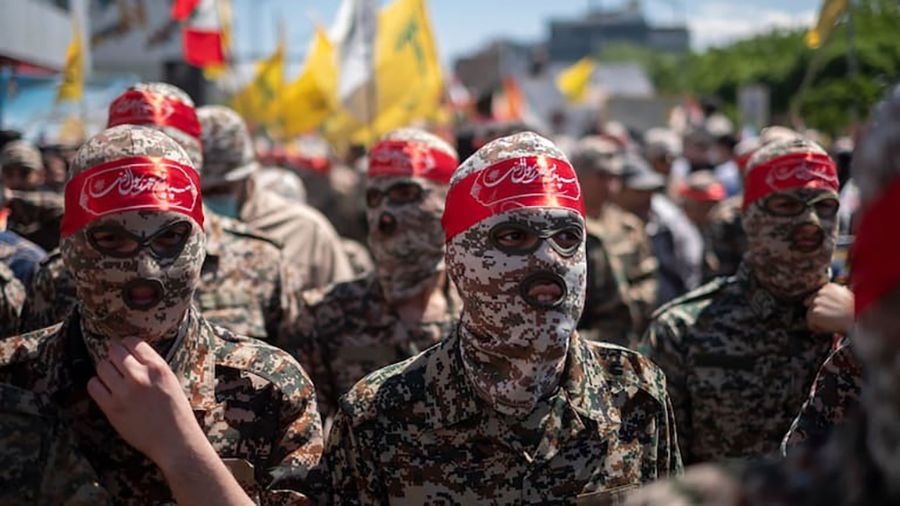 The Quds Force is widely described by Western governments as the Revolutionary Guards’ external arm,
 Iran warned it would deliver an “appropriate response” after the Argentine government designated the Quds Force—an external-operations unit within Iran’s Revolutionary Guards—as a “terrorist organization” and added it, along with 13 linked individuals, to Argentina’s Public Registry of Persons and Entities Connected to Terrorism and its Financing (RePET).
At a press briefing, Iranian Foreign Ministry spokesman Ismail Baghaei called the move “unacceptable” under international law and “dangerous” politically, arguing that Argentina was branding “a part of a country’s official armed forces” as terrorist. Baghaei said Tehran would respond “in an appropriate manner.”
Argentina’s decision was announced on Jan. 17 by the Office of the President. The official statement links the Quds Force to the 1992 bombing of Israel’s embassy in Buenos Aires and the 1994 AMIA attack, and orders its inclusion in RePET—an administrative step that enables domestic financial sanctions and operational restrictions.
Background: AMIA, allegations against Iran, and the regional dimension
In the AMIA case, a longstanding line of Argentine judicial and prosecutorial work has alleged responsibility by senior Iranian officials and Hezbollah as the operational actor, claims Tehran has repeatedly denied.
The Quds Force is widely described by Western governments as the Revolutionary Guards’ external arm, associated with intelligence and power-projection activities abroad. The United States, for instance, has sanctioned and publicly accused it of involvement in regional operations.
In Argentina, RePET functions as an administrative tool to list individuals and entities linked to terrorism and its financing. In recent years, successive governments have used it to incorporate organizations tied—by official findings or allied intelligence—to attacks or transnational networks, while Argentina’s public agenda on memory and justice for the 1990s bombings remains active.
Reactions: Israeli support and calls for coordinated action
Tehran’s warning came as Israel publicly welcomed the Argentine move. Israeli Foreign Minister Gideon Saar praised the designation as “an important step” that “strengthens the international front against Iranian terrorism,” and urged other countries to follow Argentina’s example.
In Buenos Aires, the announcement fits a foreign-policy posture seeking closer alignment with Western partners on security and counterterrorism. Argentine outlets reported the government framed the measure around protecting the financial system and strengthening international cooperation against illicit networks, alongside the symbolic weight attached to the 1992 and 1994 victims.
For now, Iran has not detailed concrete retaliatory steps beyond its diplomatic warning. The next phase will depend on whether Tehran escalates through formal complaints in international forums or bilateral measures, and whether Argentina expands administrative or judicial actions linked to the case.


Top Comments
Disclaimer & comment rulesCommenting for this story is now closed.
If you have a Facebook account, become a fan and comment on our Facebook Page!