MercoPress. South Atlantic News Agency
Petro revives anti-Trump rhetoric, urges U.S. to “return” Maduro ahead of Feb. 3 White House meeting
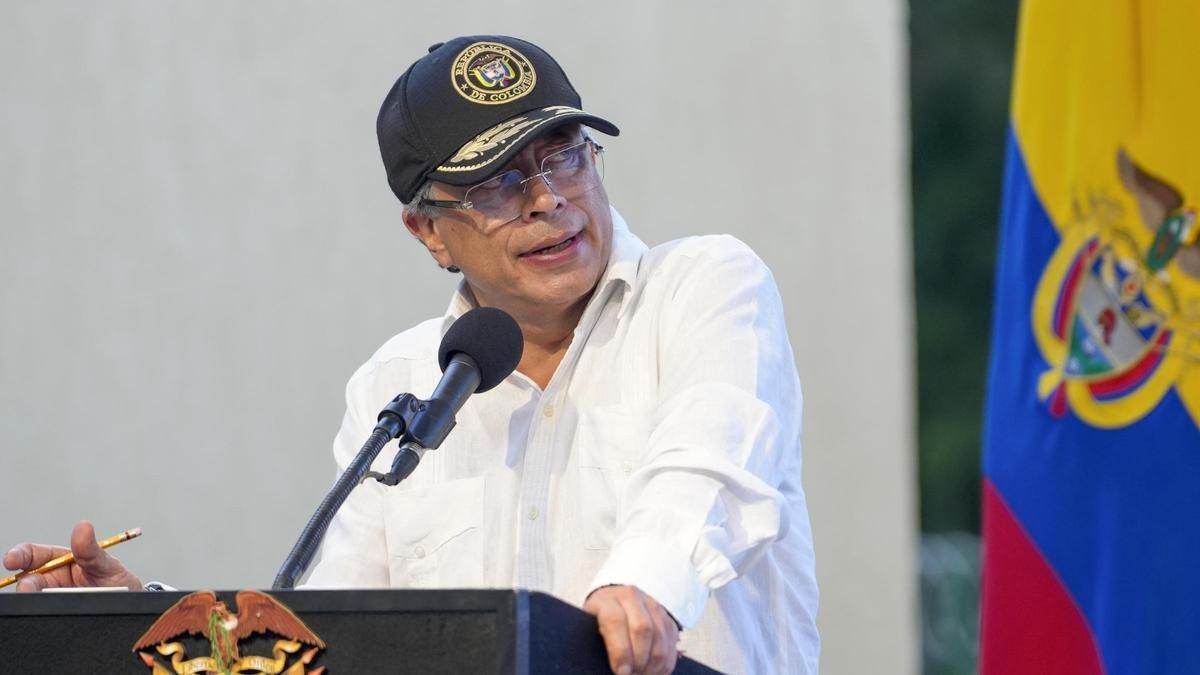 ro compared the strike on Caracas to the bombing of Guernica in Spain’s civil war and accused Trump of “sinking international law with missiles”
 Colombia’s President Gustavo Petro has revived his sharpest anti-Trump rhetoric days before a planned meeting with U.S. President Donald Trump, calling on Washington to “return” Nicolás Maduro so he can be tried in Venezuela rather than in U.S. courts.
“They have to return him (Maduro) and let a Venezuelan court judge him, not an American one,” Petro said during a public event in Bogotá, where he also attacked the U.S. operation that captured the Venezuelan leader in early January.
The remarks came just hours after Colombian authorities confirmed Petro had been granted a temporary U.S. entry authorization to attend the meeting with Trump, scheduled for Tuesday, February 3, 2026, despite having lost his visa last year. Colombian reporting said the permit is valid for five days and restricted to the official visit.
In his speech, Petro compared the strike on Caracas to the bombing of Guernica in Spain’s civil war and accused Trump of “sinking international law with missiles.” Petro framed his demand on Maduro as a sovereignty issue, arguing Venezuela’s courts — not the United States — should determine legal accountability.
The escalation complicates a relationship that had shown signs of de-escalation earlier this month after a phone call between the two presidents. Reuters reported Trump invited Petro to the White House after previously threatening tougher measures linked to narcotics flows and regional security. Separately, Colombia has signaled it will continue counter-narcotics cooperation with the U.S., relying on American intelligence and technology.
Venezuela is the immediate backdrop. On January 3, Trump said U.S. forces captured Maduro in an overnight operation and transferred him to the United States to face charges, while an interim government led by Delcy Rodríguez took over in Caracas. The episode has triggered regional backlash and renewed arguments over international-law precedents and the scope of U.S. power projection.
In Washington, policy signals have been mixed. The administration has notified Congress it is taking initial steps that could lead to reopening the U.S. embassy in Caracas and exploring a broader reset after the change of power. At the same time, senior officials have avoided ruling out additional coercive actions if the interim authorities fall short of U.S. expectations.
Petro’s visit is also shaped by recent personal friction with Washington: in September 2025, the U.S. revoked his visa after he joined a pro-Palestinian protest in New York and made statements the State Department condemned as inflammatory. The issuance of a narrow, time-limited entry permit reopens the channel for high-level engagement, but Petro’s renewed messaging suggests the meeting will unfold under political strain.


Top Comments
Disclaimer & comment rulesCommenting for this story is now closed.
If you have a Facebook account, become a fan and comment on our Facebook Page!