MercoPress. South Atlantic News Agency


Uruguay’s farm sector warns low dollar threatens jobs as peso strength squeezes exports
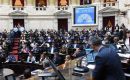
 The warning comes as the government flags concern over the exchange rate. MEF said the peso–dollar path hurts exports and import-competing sectors. Photo: Sebastián Astorga
 Uruguay’s Rural Association (ARU) is warning that the slide in the U.S. dollar is pushing the farm sector into a “critical situation,” arguing that while a stronger peso may feel beneficial for people paid in local currency, the broader impact can be job losses in export-oriented activities.
“We are in a borderline situation,” ARU president Rafael Ferber said after meeting with the Economy and Finance Ministry (MEF). Ferber added that the government’s economic team “understands it” and is working on the issue rather than downplaying it.
The warning comes as the administration publicly acknowledges concern over the exchange rate. In an official note, the MEF said it is worried about the recent path of the peso–dollar rate because of its impact on export competitiveness and on activities that compete with imports, and it outlined measures aimed at easing the pressure.
ARU brought proposals to the table, including allowing taxes to be paid in dollars for taxpayers who earn in that currency. Ferber also framed the currency problem as part of a longer-running structural challenge: “For 25 years we’ve had budgets that spend more than what comes in… this dragged situation is cumulative,” he said.
Market levels have remained near ranges the farm lobby sees as too low given domestic costs priced in pesos. On Wednesday, Jan. 28, Uruguay's Central Bank (BCU) reported the interbank dollar opening around UYU 38.30, with state bank BROU quoting UYU 37.15 (buy) and UYU 39.55 (sell).
From the government’s perspective, the exchange rate is spilling into real activity. In remarks carried by Subrayado, Economy Minister Gabriel Oddone said the government decided to act because the dollar’s decline “impacts negatively,” and announced negotiations for FX forwards to buy dollars ahead of public-debt payments in foreign currency. The plan also includes coordination with state-owned companies to improve balance sheets and an effort to deepen domestic peso funding to reduce dollar-linked issuance that can feed back into the FX market.
Ferber emphasized the employment channel: “Many people paid in pesos logically see a favorable dollar, but at the end of the day there is job destruction,” he said. Sector-by-sector, he noted beef is enjoying “very good prices,” but said milk, rice and pulp are facing “depressed prices,” amplifying the effect of a low exchange rate.
China is also part of the backdrop. Ferber said a business delegation will travel with President Yamandú Orsi to China to “strengthen” ties with a client that is “absolutely decisive” for Uruguay’s economy, aiming to return with announcements. Uruguay exported US$ 13.493 billion in goods in 2025 and China remained the top destination, according to figures released by Uruguay XXI and the presidency.


Top Comments
Disclaimer & comment rulesCommenting for this story is now closed.
If you have a Facebook account, become a fan and comment on our Facebook Page!