MercoPress. South Atlantic News Agency

Trump threatens tariffs on countries supplying oil to Cuba, tightening pressure on Mexico
 The measure comes amid deep strains in Cuba’s energy system, including fuel shortages, recurring blackouts and constraints on transport and production
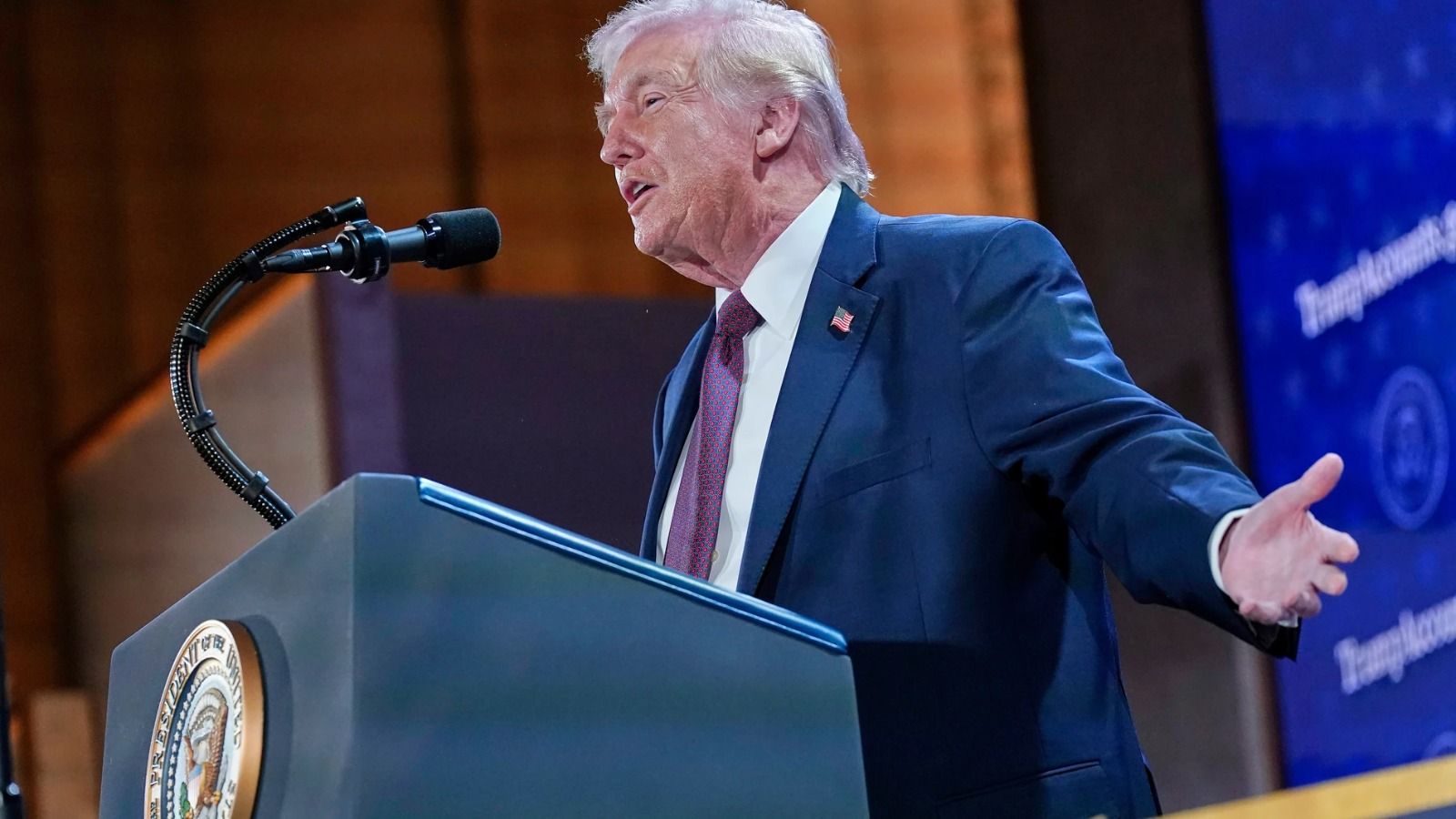
 U.S. President Donald Trump signed an executive order that opens the door to imposing tariffs on imports from countries deemed to be supplying crude oil to Cuba, a move designed to raise the external cost of keeping Havana’s energy lifeline open and further constrain fuel flows to the island.
The order, released late Thursday in Washington, declares a national emergency on the grounds that Cuba’s policies constitute an “unusual and extraordinary threat” to U.S. national security and foreign policy. It does not specify tariff levels. Instead, it sets a case-by-case process under which Trump would decide potential duties after receiving assessments from the Departments of Treasury and Commerce on countries involved in oil shipments.
“Cuba will not be able to survive,” Trump told reporters shortly after the order was published. Asked whether he was trying to “choke off” the island, he pushed back on the phrasing while calling Cuba a “failed nation,” according to accounts carried by news outlets and wire services.
The measure comes amid deep strains in Cuba’s energy system, including fuel shortages, recurring blackouts and constraints on transport and production. Washington is effectively threatening secondary commercial penalties to discourage third-party suppliers — a coercive tool the U.S. has used in other contexts to reshape behavior without directly sanctioning the target country’s imports.
Cuban officials condemned the move as an escalation of economic pressure. EFE reported that Prensa Latina president Jorge Legañoa accused Washington of seeking “genocide,” warning that if oil supplies are disrupted the impact could extend across electricity generation, transport, industrial and agricultural output, healthcare services and water supply.
Mexico is at the center of the equation. International reporting has described it as one of Cuba’s key suppliers after Venezuelan flows dwindled. President Claudia Sheinbaum has argued Mexico’s shipments include humanitarian assistance as well as Pemex contracts with Cuba, and said the issue was not raised in her latest call with Trump. Previous reporting cited Pemex estimates of average exports to Cuba of about 17,200 barrels per day in the first nine months of 2025 — a small share of Mexico’s overall exports but a meaningful volume for the island.
The Cuba order also lands alongside a broader recalibration in U.S. regional energy policy. Washington announced partial easing of restrictions on Venezuela’s energy sector through a general license allowing U.S. companies to operate under strict conditions: payments routed through a Washington-controlled bank account, contracts governed by U.S. law, and bans on transactions involving entities linked to Russia, Iran, North Korea or Cuba.
Trump has repeatedly argued that political change in Caracas will ultimately accelerate pressure on Havana. In Senate testimony, however, Secretary of State Marco Rubio said the U.S. is not pursuing regime change in Cuba “directly,” while acknowledging that Washington would welcome an end to what he described as autocratic rule — comments referenced by major wire services.
For regional governments and energy traders, the practical impact will hinge on enforcement choices and risk tolerance: whether suppliers continue shipments despite tariff threats, and whether Cuba can secure alternative barrels in a market where logistics, financing and political exposure already limit options.

Top Comments
Disclaimer & comment rules-

Read all commentsChapter III, Article 19 of the OAS Charter
Jan 31st, 2026 - 03:41 pm 0No State has the right to intervene, directly or indirectly, for any reason whatever, in the internal or external affairs of any other State.Consequently, ..and all other forms of interference or attempted threats against the personality of the State or against its political, economic and cultural elements, are condemned.
Commenting for this story is now closed.
If you have a Facebook account, become a fan and comment on our Facebook Page!