MercoPress. South Atlantic News Agency


US returns seized oil tanker to Venezuela amid broader energy policy shift
 In Caracas, the interim government led by acting President Delcy Rodríguez welcomed the return, noting it may help reduce uncertainty in maritime crude trade
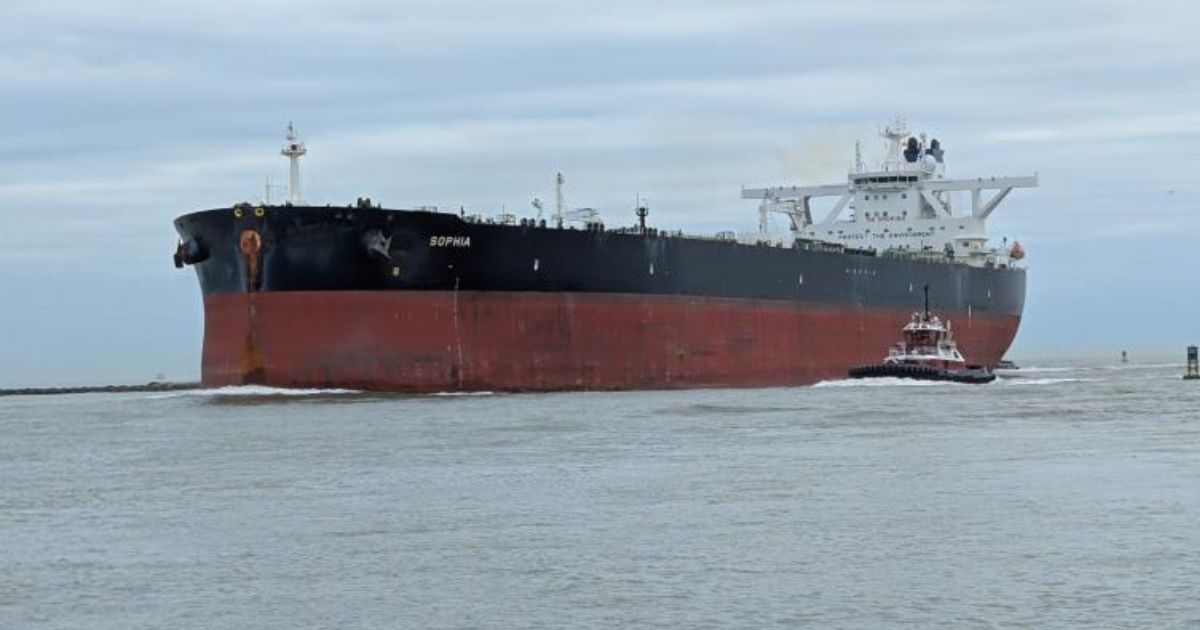
 The United States government this week returned the seized oil tanker M/T Sophia to Venezuela, reflecting a broader shift in U.S. energy policy toward Caracas amid efforts to normalize commercial ties, U.S. officials said Wednesday. The move comes after several high‑profile seizures of vessels tied to Venezuelan oil shipping.
The U.S. Coast Guard and military forces seized the Panama‑flagged M/T Sophia on January 7, when it was carrying Venezuelan crude and was designated a “stateless, sanctioned dark fleet motor tanker” by U.S. authorities, alleging lack of safety certification and sanctions violations.
Officials speaking on condition of anonymity said the decision to return the vessel — and potentially its cargo, though details on that remain unclear — aligns with an evolving U.S. approach to Venezuela that seeks to balance enforcement with a regulatory framework intended to facilitate orderly Venezuelan oil exports.
The return comes amid a string of at least seven vessel seizures since late 2025, part of an operation targeting ships alleged to be evading sanctions and operating without proper maritime certifications. The U.S. move to return the Sophia is seen by analysts as a signal that some logistical and regulatory frictions are being addressed as Washington aims to stabilize export flows.
In Caracas, the interim government led by acting President Delcy Rodríguez welcomed the return, noting it may help reduce uncertainty in maritime crude trade. “It is essential to establish clear norms that prevent arbitrary detentions of Venezuelan vessels in international waters or U.S. jurisdictions,” a Venezuelan energy official said.
Energy and maritime policy analysts say the vessel’s return should be read in the context of a broader U.S. strategy shift, which has included preparing general licences to ease some sanctions and boosting U.S. refinery access to Venezuelan crude after years of tight restrictions.
“The message behind returning the tanker is that Washington wants to stabilize oil trade routes and reduce the frictions that have marked recent years,” a Miami‑based maritime expert said. “However, regulatory risk remains, and ship operators will continue to monitor future detentions closely.”
Legal experts also caution that the vessel’s return could affect ongoing maritime disputes and potential compensation claims from shipowners affected by prolonged detentions. The involvement of international insurers and the International Maritime Organization (IMO) may become relevant if such incidents escalate.


Top Comments
Disclaimer & comment rulesCommenting for this story is now closed.
If you have a Facebook account, become a fan and comment on our Facebook Page!