MercoPress. South Atlantic News Agency



Contactless and Cashless: The Future of Payments in Britain
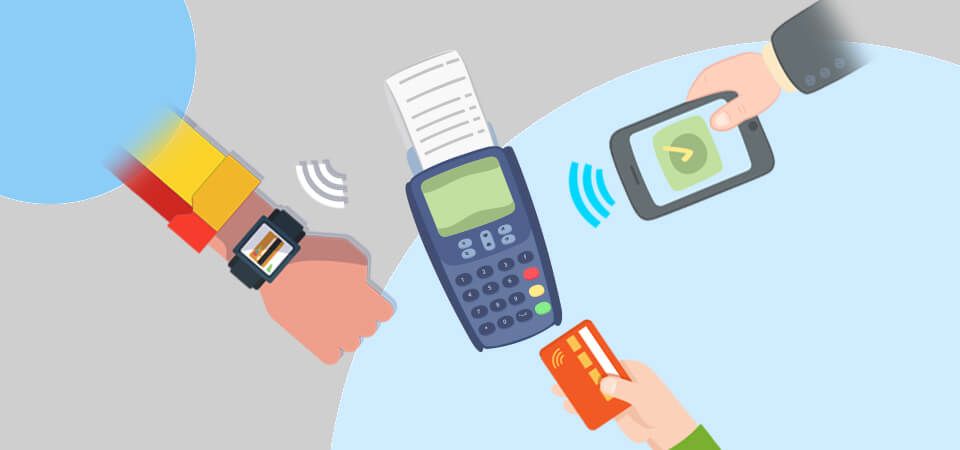
Britain is rapidly moving toward a cashless future. A transition that was once gradual accelerated sharply during the pandemic era, during which time contactless payments became the safest and most convenient way for consumers to shop.
Today, digital wallets, tap-and-go cards, QR payments, and instant transfers have become everyday habits across the UK. What was once an emerging trend has now become central to how people and businesses interact with money.
But this isn't just a technological evolution; it's a wider cultural shift in what consumers expect, in financial efficiency, and in how economic activity is recorded, monitored, and optimized. Given that the UK is regularly listed among the world's most cashless-ready nations, understanding this transformation provides insight into the future of commerce not just in Britain, but globally.
The Rise of Contactless: Convenience Reshaping Consumer Behaviour
Contactless card usage has grown exponentially in the UK in recent years. Tap-to-pay became the default from small cafes to major retailers for millions of transactions each day. By increasing this limit to £100, the UK government signaled its confidence in the security and maturity of the payment.
Digital wallets like Apple Pay, Google Wallet, and Samsung Pay further embedded contactless habits into daily life. These services merge speed with biometric security to great effect, making them an attractive alternative to cash. The younger generation has moved to make mobile-first payments the norm in everyday life, while older generations have warmed to the technology thanks to its ease of use and rapid uptake by the banks.
The travel industry has also moved to embrace contactless infrastructure. London's public transport continues to serve as a global case study for how widespread tap-in systems can streamline movement across a major city. Regional authorities have since started implementing similar models, further expanding the digital ecosystem.
Cashless Options in the Wider Digital Economy
The diversification of payment methods will continue as more people turn to digital means of payment. Bank-to-bank transfers through networks such as Faster Payments and Open Banking APIs enable real-time transactions without the involvement of card networks. QR-based systems, common in Asia, are also starting to make an appearance in events and hospitality venues around the UK.
This diversification reflects the broader trend of consumer empowerment. People increasingly want flexible and transparent ways to manage their money. Many in the digital entertainment industry follow platforms that Compare the Most Popular Payment Options for casino players, as this sector often adopts new financial technologies early.
The insights offered by these platforms frequently mirror broader shifts in payment security, speed, and user experience that affect consumers across multiple industries.
Security, Regulation, and Consumer Protection
With the rise of cashless payments comes great responsibility for security and trust. British financial institutions and regulators-like the FCA and the Payment Systems Regulator-enhanced authentication protocols, encryption standards, and fraud-prevention systems in place.
Strong Customer Authentication under PSD2 introduced multilayered verification for digital purchases. This dramatically reduced fraudulent activity without impeding checkout experiences for legitimate customers. Separately, financial literacy initiatives encourage consumers to identify scams, comprehend payment risks, and manage their digital accounts securely.
Regulators are continually refining guidelines to keep pace with innovation. For example, Open Banking allows licensed financial providers to offer new tools for budgeting, automated savings, and secure data-based recommendations under strict compliance oversight.
The Road Toward a Cash-Optional Britain
The UK's transition into a cashless society is well advanced but by no means absolute. Rural communities and other vulnerable groups still rely on physical money, and the government has pledged ongoing access to cash for people who need it. Major banks continue to support deposit and withdrawal facilities, and retailers are bound to accept cash in many circumstances.
However, the long-term direction is clear: digital payments offer economic efficiency, easier record-keeping, reduced operation costs for businesses, and convenience for consumers. The payment landscape will only get more integrated and intelligent with developments in biometric verification, blockchain-based settlements, and AI-driven fraud detection.
A Future Defined by Integration and Innovation
Britain's evolving payments market reflects a wider technological shift, one in which finance will get faster, safer, and more interconnected. Whether tapping a card, scanning a phone, or using an instant digital transfer, consumers now expect seamless financial experiences everywhere they go.
The UK is at the forefront of a global shift as more industries adopt new payment technologies, and regulators continue to refine frameworks that protect users. The contactless and cashless solutions are not mere conveniences; they're setting up the building blocks of how Britain will buy, trade, and transact for years to come.


Top Comments
Disclaimer & comment rulesCommenting for this story is now closed.
If you have a Facebook account, become a fan and comment on our Facebook Page!