MercoPress. South Atlantic News Agency


Betting spike ahead of Machado’s Nobel Peace Prize and suspected cyber breach trigger leak probe
 The alert was triggered by activity on Polymarket, a platform where users buy and sell “odds” on public events
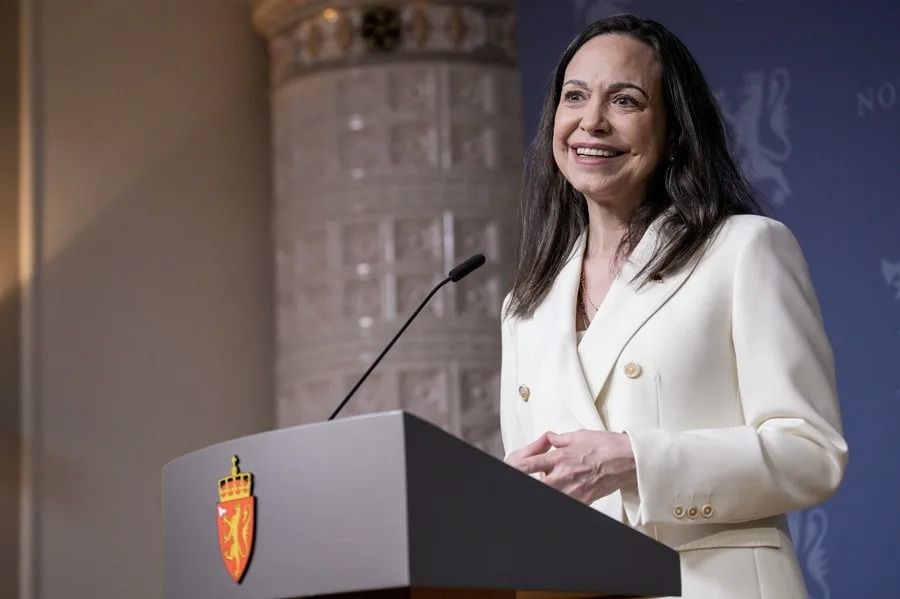
 The Norwegian Nobel Institute concluded that a cyberattack is the “most likely” explanation for the leak of information about the 2025 Nobel Peace Prize, after prediction markets registered an abrupt—and highly profitable—shift in favor of María Corina Machado a few hours before the official announcement.
The alert was triggered by activity on Polymarket, a platform where users buy and sell “odds” on public events. According to Reuters' reconstruction, bets in favor of Machado skyrocketed in the early hours of October 10, when she went from being a marginal contender to the frontrunner, despite not having been among the favorites on expert lists or traditional betting houses until then.
The internal report, whose conclusions were made public at the end of January, states that “there were actors capable of acquiring information illegally” about the Norwegian Nobel Committee's decision. The investigation was supported by Norwegian intelligence services.
The numbers fueled suspicions: at the peak of the episode, around US$2.2 million was wagered on the outcome, and one account reportedly placed nearly US$70,000 in bets in the hours leading up to the announcement, earning a profit of around US$30,000, according to reports cited by El País and The Guardian. The institution itself admits, however, that it was unable to determine precisely how the information was obtained, who bought it, or whether it was a state or private actor.
The political dimension also weighs heavily. The leak appears to be the “penultimate” chapter in a series of controversies associated with the prize, especially after Machado's public gesture of ‘sharing’ or symbolically handing over her medal to the US president. In response, the Institute and the Committee issued a statement reminding the public that the Nobel Prize “cannot be revoked, shared, or transferred to others” once it has been announced.
The Committee justified the award on the basis of Machado's role as a leading figure in the Venezuelan opposition and his defense of free elections. The institution did not rule out the possibility that a state actor was involved in the leak.
This is not the first time the Nobel Prize has faced digital threats. The Institute recalled previous incidents such as the cyberattacks that followed the 2010 award to Chinese dissident Liu Xiaobo. It has now announced security reinforcements, but without detailing specific measures “for operational reasons.”


Top Comments
Disclaimer & comment rulesCommenting for this story is now closed.
If you have a Facebook account, become a fan and comment on our Facebook Page!