MercoPress. South Atlantic News Agency
Venezuelan opposition flags “serious omissions” in amnesty bill, demands full release
 “Reconciliation cannot be claimed when the freedom of those persecuted depends on the same institutions that ordered, carried out, or validated their imprisonment,” the coalition said
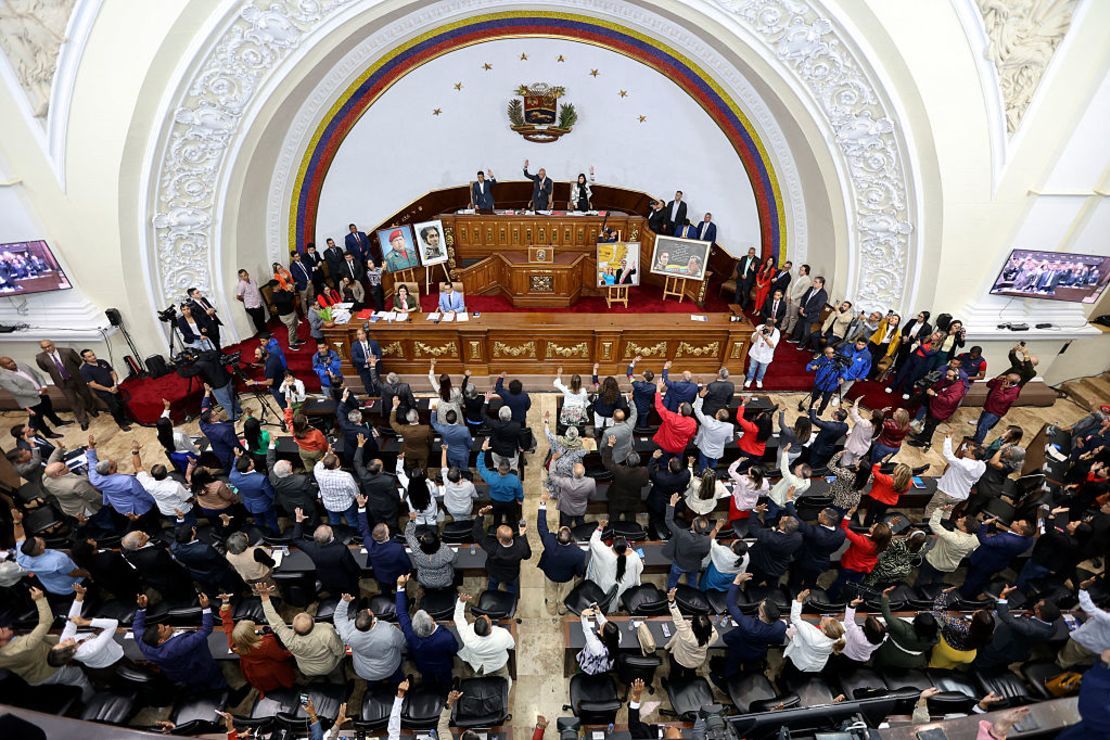
 Venezuela’s main opposition coalition, the Democratic Unitary Platform (PUD), on Friday challenged what it called “serious omissions” in a proposed amnesty law promoted by acting President Delcy Rodríguez and approved in a first debate by the chavista-controlled National Assembly.
In a statement, the PUD argued the draft excludes “broad groups” of political prisoners—both civilians and military personnel—and omits time periods the coalition considers historically significant. The opposition also said the bill does not repeal legislation such as the “Law Against Hate” or the “Simón Bolívar Law,” which it views as part of Venezuela’s legal toolkit for political repression. The coalition further complained the text offers no guarantees for the “safe return” of exiles and does not lift political bans that have barred opposition figures from holding office.
The PUD also questioned how the amnesty would be implemented. “Reconciliation cannot be claimed when the freedom of those persecuted depends on the same institutions that ordered, carried out, or validated their imprisonment,” the coalition said, arguing that the Attorney General’s Office and the current justice system have been central to political persecution.
The dispute unfolds amid a broader, opaque release process that began in early January, after U.S. forces captured Nicolás Maduro on January 3—an event that shifted the political landscape but did not immediately dismantle chavismo’s institutional architecture. When Rodríguez announced a “general amnesty,” she framed it as a step toward “coexistence,” while signaling exclusions for serious common crimes; she also said the Helicoide—widely seen as a symbol of repression—would be turned into a community social and sports services center.
National Assembly Speaker Jorge Rodríguez later told relatives of detainees the bill would be passed definitively on Tuesday and that “by Friday at the latest” all detainees covered by the law would be freed—language that critics say will ultimately hinge on the final wording and enforcement. According to the rights group Foro Penal, 383 political prisoners have been released since January 8 and 687 remain behind bars. The acting government has claimed higher totals but has not published official lists—an issue families and advocacy groups have repeatedly demanded be addressed.


Top Comments
Disclaimer & comment rulesCommenting for this story is now closed.
If you have a Facebook account, become a fan and comment on our Facebook Page!