MercoPress. South Atlantic News Agency


CGT general strike disrupts transport in Argentina as lower house debates Milei labor reform
 The strike followed a majority committee report advancing the bill and came ahead of a session the government expects to open with quorum
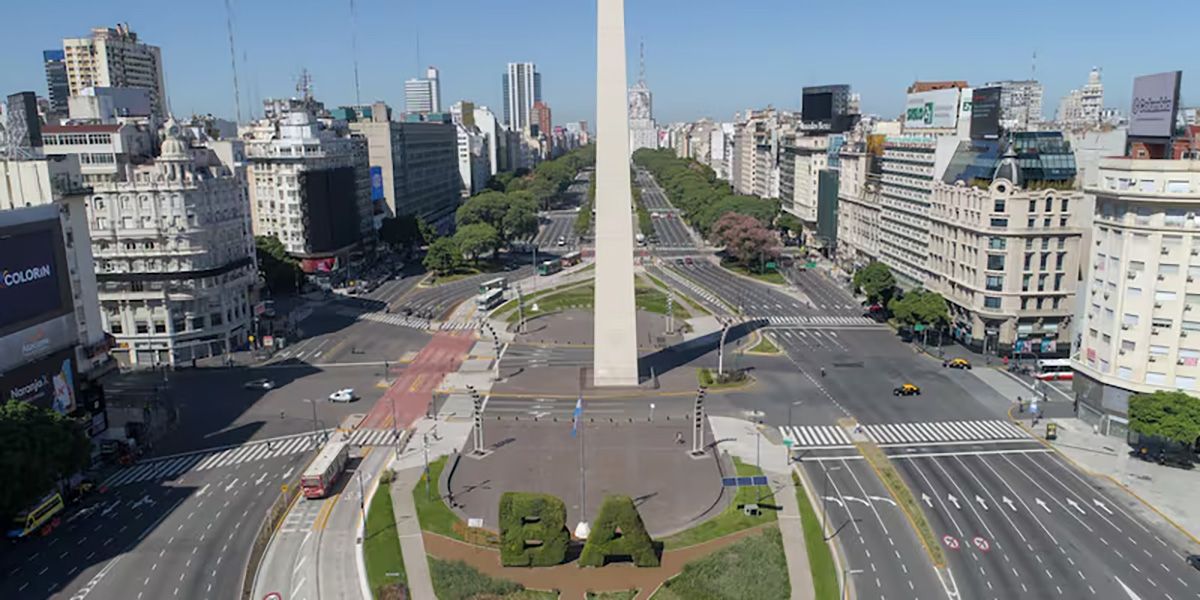
 Argentina began a 24-hour general strike on Thursday called by the country’s main labor federation, the CGT, to protest President Javier Milei’s labor reform bill, as the Chamber of Deputies was set to start debating the legislation from 2:00 p.m. local time. The stoppage immediately hit urban and long-distance mobility and forced airlines and operators to reschedule services.
From midnight, trains and Buenos Aires’ subway system were suspended, and air travel operated under heavy constraints. Transport unions broadly joined the strike, although some bus routes continued running because one major operator—DOTA—did not take part, according to local reporting. Disruptions also extended to public administration and in-branch banking, with digital channels continuing to operate.
In aviation, state carrier Aerolíneas Argentinas said it was cancelling 255 flights across its network, affecting more than 31,000 passengers, and estimated losses of roughly US$ 3 million. The airline broke the figure down as 219 domestic cancellations, 32 regional and four international, and urged travelers to check notifications and use self-service tools for changes and rebookings.
Other carriers announced operational changes to keep part of their schedules. Flybondi said it would shift its operations from Aeroparque to Ezeiza and expected around 100 flights and more than 16,000 passengers during the day, while warning that key inputs—such as fuel supply—could still disrupt operations. Air traffic controllers’ union ATEPSA did not formally join the stoppage because air navigation is deemed an essential service, but minimal activity was anticipated.
The strike followed a majority committee report advancing the bill and came ahead of a session the government expects to open with quorum. The CGT argues the proposal rolls back labor protections, while the administration says the package is aimed at “modernizing” labor rules and encouraging formal hiring. The federation summed up its stance with the slogan: “It’s not modernization; it’s precarization.”
As publicly described, the reform introduces changes related to working time and labor costs and tightens strike-related requirements by mandating minimum service levels of 75% in sectors classified as essential. The government and its allies adjusted contested provisions during parliamentary bargaining, while opposition blocs signaled resistance on the floor.
Operationally, the government warned it would dock pay from state workers who do not report to work and deployed a security operation around Congress ahead of what officials described as a tense debate. The CGT did not call a central street march, although smaller demonstrations by political and union groups were expected.


Top Comments
Disclaimer & comment rulesCommenting for this story is now closed.
If you have a Facebook account, become a fan and comment on our Facebook Page!