MercoPress. South Atlantic News Agency



Mercosur–EU deal: Uruguay’s PIT-CNT urges sector impact studies for an “informed” Senate debate
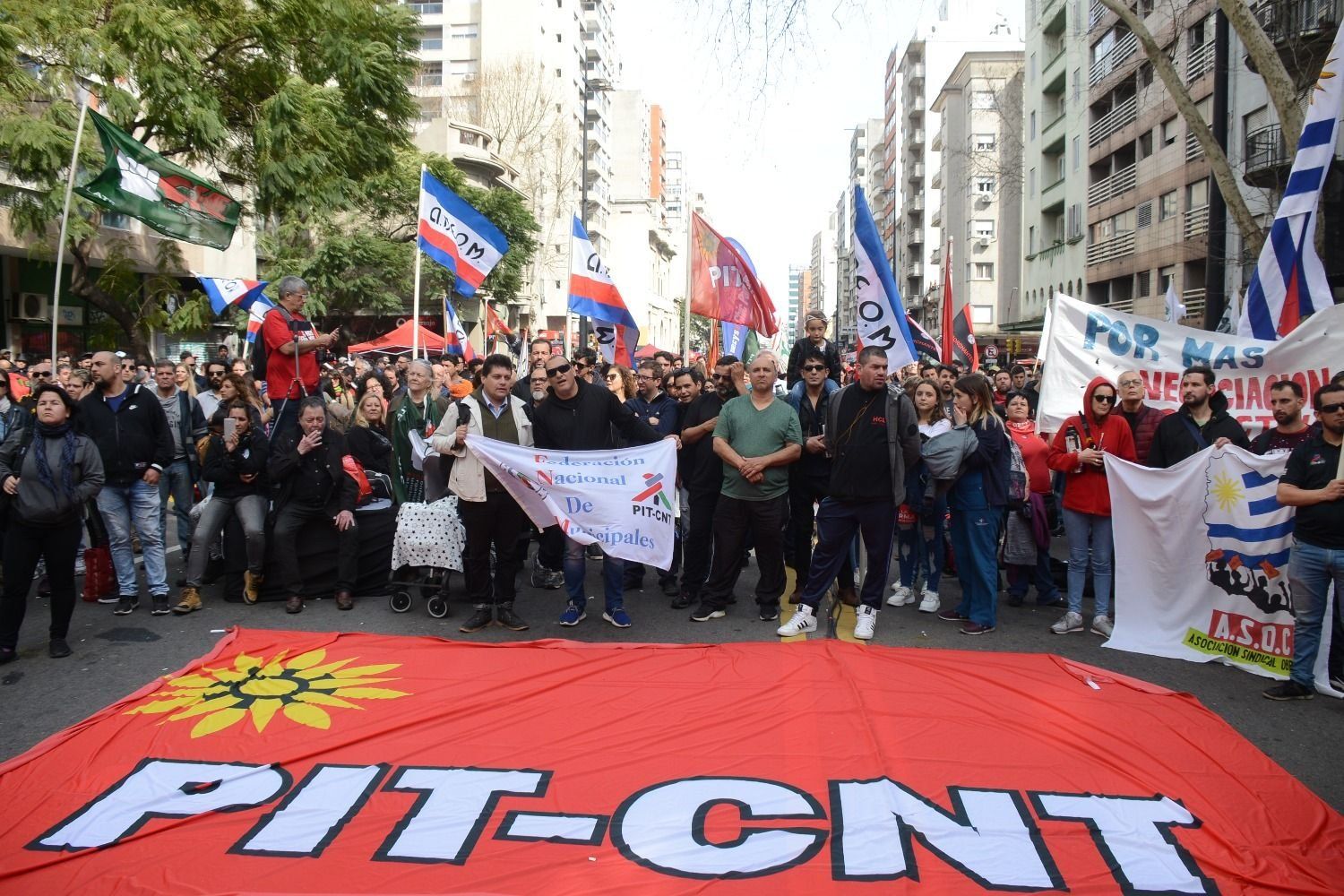 PIT-CNT argued the text reached Parliament without an impact study that would allow a rigorous evaluation of employment
 Uruguay’s PIT-CNT labour federation warned lawmakers that the debate on the Mercosur–European Union trade deal is moving forward without adequate sector-by-sector assessments, which it said “limits the possibility of an informed debate” on potential effects on industry, jobs and the country’s productive structure. The union confederation testified on Wednesday before a special Senate committee reviewing the agreement, alongside the Chamber of Industry (CIU) and the Rice Growers Association (ACA), ahead of a vote expected on Wednesday 25.
PIT-CNT international relations secretary José Olivera said the agreement carries “enormous implications for a country’s life” and argued the discussion should not be framed as simply “good or bad,” but rather around Uruguay’s national development strategy and how the deal fits into that long-term plan. Danilo Dárdano, head of the Industrial Unions Confederation, said PIT-CNT is critical of the pact but is willing to work to “bring down negative impacts as much as possible.”
PIT-CNT argued the text reached Parliament without an impact study that would allow a rigorous evaluation of employment, public finances, sustainability and competitiveness, and said key issues such as the internal allocation of export quotas within Mercosur remain unresolved. It proposed setting up sector-specific committees bringing together government, workers, business and academia to study, monitor and track implementation, with periodic evaluations and policy recommendations.
From the foreign ministry, deputy foreign minister Valeria Csukasi told the committee that the impact study requested from the Inter-American Development Bank (IDB) was delayed after an initial draft contained “mistakes” in critical areas —including the mechanics of quota implementation— and that the document is being updated, with expectations it could be presented “perhaps in the next fortnight.” She added that CAF is conducting similar work and that the IDB plans sectoral analysis to determine real impacts and possible competitiveness losses.
By contrast, agriculture and industry representatives offered a more supportive view, though not without caveats. ACA president Guillermo O’Brien said the deal would bring significant tariff relief for rice exporters —in the range of US$10–15 million for lower-processed products— and argued it is unlikely European rice would become a major competitor within Mercosur. He added Uruguay still needs to tighten compliance on requirements such as rules of origin certification to expand exports of processed rice, and said the sector will press for a quota allocation within Mercosur that reflects Uruguay’s established export track record to Europe.
CIU trade committee president Washington Durán said the chamber has long worked in favour of the agreement, but with “critical support,” and stressed that whether Uruguay benefits will depend on domestic adjustments —especially production costs— to remain competitive and sell into the European market.
The Mercosur–EU agreement was authenticated and sent to Parliament in February after being signed in Asunción on 17 January, and the government expects the legislative process to move ahead in the coming weeks.


Top Comments
Disclaimer & comment rulesCommenting for this story is now closed.
If you have a Facebook account, become a fan and comment on our Facebook Page!