MercoPress. South Atlantic News Agency


US says it has struck “nearly 2,000” targets in Iran and adds B-52 bombers to the air campaign
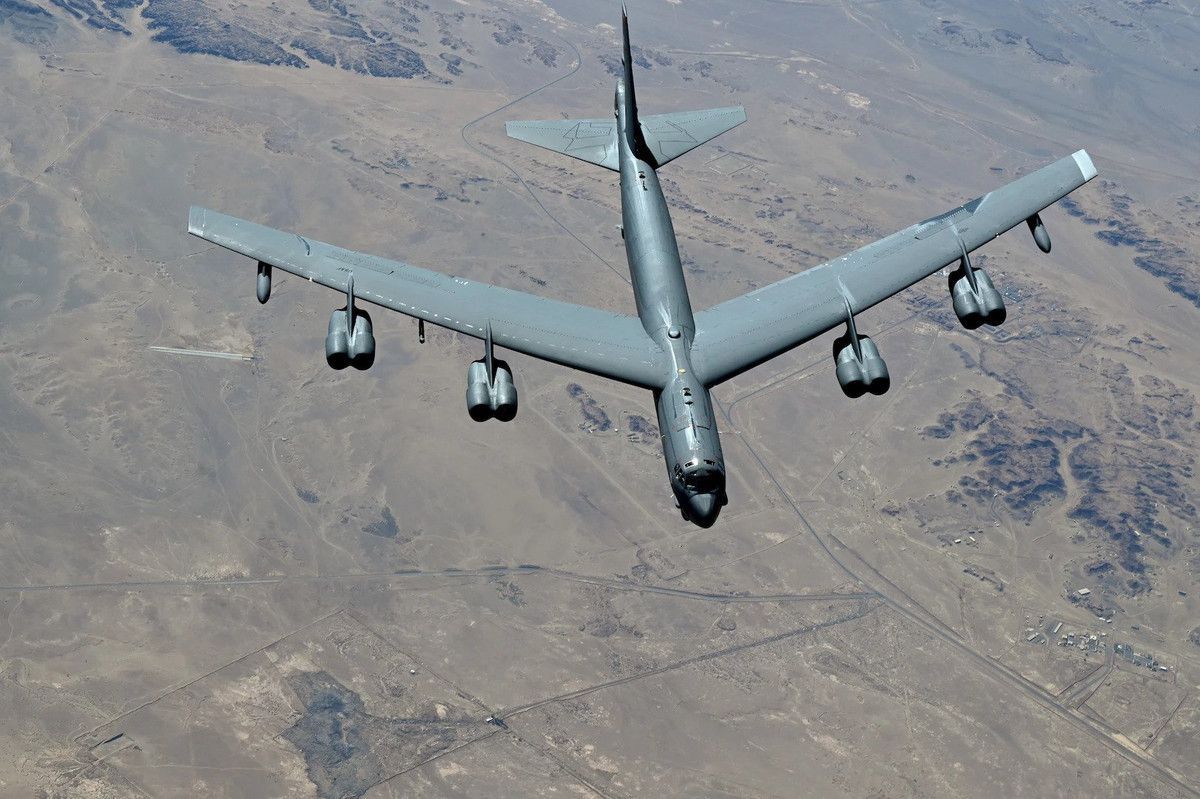 “Over 1,700” targets were struck in the first 72 hours, using a mix of B-1, B-2 and B-52 bombers, alongside fighter aircraft, drones, Patriot and THAAD missile-defense systems
 The United States intensified its air campaign against Iran on Tuesday as Operation Epic Fury entered its fourth day, introducing B-52 strategic bombers into combat operations and reporting that “nearly 2,000” targets have been hit so far.
A CENTCOM fact sheet said “over 1,700” targets were struck in the first 72 hours, using a mix of B-1, B-2 and B-52 bombers, alongside fighter aircraft, drones, Patriot and THAAD missile-defense systems, and multiple intelligence, surveillance and reconnaissance platforms. In a separate message on Tuesday, CENTCOM framed part of the operation around Iran’s drone capability: “The Iranian regime’s killer drones have been a menace in the Middle East for years… These drones are no longer a tolerable risk,” it said.
CENTCOM commander Adm. Brad Cooper also claimed Iran’s naval forces have effectively been removed from key waterways, saying 17 Iranian naval vessels — including a submarine described as its most operational — have been destroyed and that no Iranian warships remain underway in the region’s main maritime corridors.
The escalation comes as Iran continues missile and drone attacks against Israel and U.S. interests across the region. A suspected Iranian drone strike hit CIA facilities inside the U.S. Embassy in Saudi Arabia on Monday, as Washington tightened security posture and adjusted diplomatic operations in the Gulf.
On casualties, the Pentagon has said six U.S. service members have been killed since the start of the operation. In Iran, the Iranian Red Crescent put the death toll from U.S.-Israeli strikes at 787 — a figure that has not been independently verified.
The conflict is also pressuring global energy shipping. The Strait of Hormuz has remained closed for a fourth straight day, Greece’s shipping minister said, warning of escalating risks for vessels in a chokepoint that carries roughly 20% of global oil and gas flows.


Top Comments
Disclaimer & comment rulesCommenting for this story is now closed.
If you have a Facebook account, become a fan and comment on our Facebook Page!