MercoPress. South Atlantic News Agency


Falklands: Loligo squid returns, “sufficient biomass abundance” for fishing season
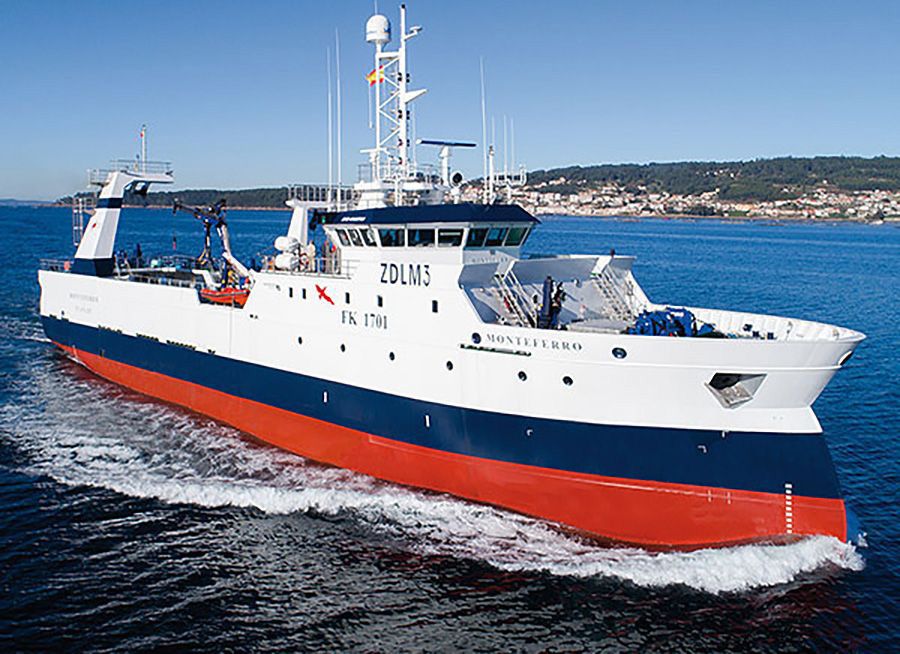 The pre-survey conducted by the M/V Monteferro between February 3 and 18 estimated Loligo squid biomass at around 41,725 tonnes.
  Falkland Islands Director of Natural Resources James Wilson reported to the Fisheries Commission on the surveys carried out in February.
 Fisheries surveys in the Falkland Islands indicate that there is “sufficient biomass abundance” of Loligo squid to sustain a commercial fishing season.
This was reported in a document submitted by the Islands’ Director of Natural Resources, James Wilson, to the Fisheries Commission this week. The report is based on surveys conducted in February, which confirmed good abundance and distribution of key fishery stocks.
A pre-season Loligo squid survey carried out by the M/V Monteferro between February 3 and 18 estimated Loligo biomass at around 41,725 tonnes, with a reliable range between 34,726 and 60,190 tonnes. Most of the squid were found south of the so-called “Loligo Box,” where 38,134 tonnes were recorded, compared with 3,591 tonnes in the northern zone.
Scientists also reported that the squid measured were larger than those recorded during the first fishing season of 2025, particularly south of 52 degrees South. However, specimens in the northern area appeared less mature, with about half of those sampled classified as being at a very early stage of maturity.
The survey included 64 scientific trawls and 11 commercial trawls, and was the first to incorporate modifications approved by the Loligo Production Group for biomass measurement.
Alongside the squid survey, a demersal survey was conducted by the M/V Argos Vigo between January 31 and February 19, completing 82 trawls at depths ranging from 129 to 377 meters and recording a total biomass catch of 113.2 tonnes.
Rock cod dominated the catches, accounting for 45.3% of the biomass. Other significant species included common hake, southern hake, grenadier, southern blue whiting and New Zealand hake. Among commercially important species, common hake biomass was estimated at 46,434 tonnes, down 12.1% compared with February 2025 but still 48% above the 2023–25 average.
Patagonian toothfish biomass was estimated at 7,720 tonnes, the highest level recorded in the February demersal survey since 2023.
The Falklands Fisheries Department also said that assessment of other species from the demersal survey is continuing. Meanwhile, Loligo squid biomass is considered sufficient to support the issuance of “C” fishing licenses for the current season, which is now fully underway.
Jigging vessel inspections
Inspections of the 108 squid jigging vessels operating in Falklands waters have been completed, according to the latest report presented by James Wilson, Director of Natural Resources, to the Fisheries Commission.
Wilson added that all trawlers targeting Loligo squid have also been inspected, along with most of the vessels engaged in demersal fisheries.
The Director of Natural Resources also confirmed that inspections required under CCAMLR have been carried out and that most license briefing procedures had been completed. However, “those captains and officers who rotate or are replaced will be instructed as necessary during the course of the fishing year.” (Source: Penguin News)

Top Comments
Disclaimer & comment rulesCommenting for this story is now closed.
If you have a Facebook account, become a fan and comment on our Facebook Page!