MercoPress. South Atlantic News Agency



Iran exploits its asymmetric edge in Hormuz, narrowing the U.S. Navy’s room to act
 Energy Secretary Chris Wright said on Thursday that the U.S. military is “not ready” to escort tankers through Hormuz because its assets remain focused on striking Iranian offensive capabilities
 Iran is shifting a key part of the war to the sea, where its conventional naval power is far weaker than that of the United States but where it still retains enough tools to disrupt global energy traffic. In the Strait of Hormuz, a corridor that carries roughly a fifth of the world’s oil, attacks on merchant shipping, the threat of mines and the use of fast boats and coastal missiles have raised the cost and complexity of any escort operation.
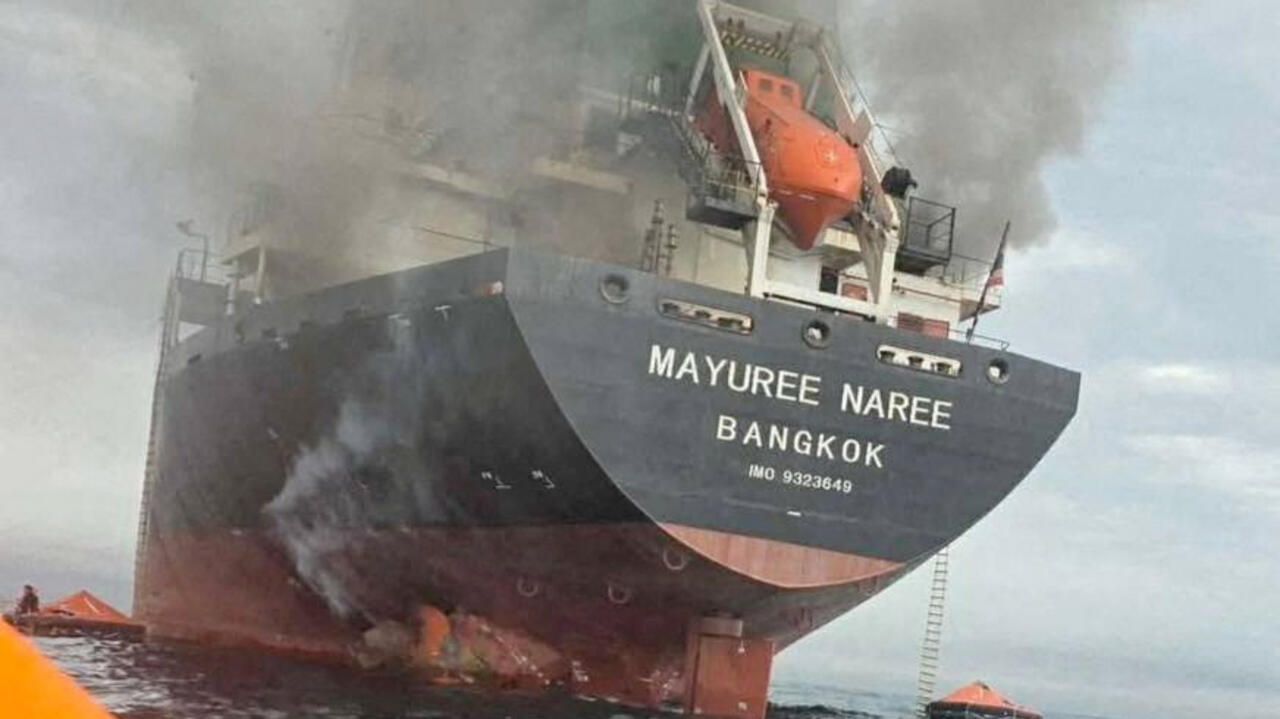
The pressure is already visible in maritime traffic. At least 19 commercial vessels had been damaged by Thursday in the Gulf and surrounding waters, according to figures carried by AP, while the International Maritime Organization called an extraordinary session for next week on threats to shipping in the Middle East.
The United States has hit Iran’s naval capacity hard. U.S. Central Command said this week it destroyed 16 Iranian mine-laying vessels, and CBS added on Thursday that more than 90 Iranian vessels had been damaged or destroyed since the start of the conflict, including more than 60 ships and about 30 mine-laying platforms. But that damage has not removed the threat around Hormuz or restored safe passage.
The reason is that Tehran does not need a surface fleet comparable to that of the United States to upset the balance. CBS reported that analysts and former naval officers see likely use of Noor/C-802 anti-ship missiles, drones and Revolutionary Guard fast boats to harass tankers and cargo ships even without a total closure of the strait. That kind of pressure, concentrated in a narrow and crowded waterway, forces Washington to protect slow, exposed targets within Iran’s firing envelope.
The operational problem for the United States is immediate. Energy Secretary Chris Wright said on Thursday that the U.S. military is “not ready” to escort tankers through Hormuz because its assets remain focused on striking Iranian offensive capabilities. AFP added that Washington expects to do so later, but not immediately.
That gap gives Iran a temporary advantage. Even with U.S. air and naval superiority, effectively reopening the strait requires more than destroying Iranian platforms: it demands mine-clearing, continuous surveillance, convoy protection and the ability to respond to simultaneous attacks by drones, missiles or swarming boats. In such a narrow passage, a single blast or hit is enough to alter insurance, routes and global prices.
For now, the naval battle is not being decided by who has more warships, but by who can impose more uncertainty on commercial traffic. On that front, Iran still retains the capacity to inflict damage.


Top Comments
Disclaimer & comment rulesCommenting for this story is now closed.
If you have a Facebook account, become a fan and comment on our Facebook Page!