MercoPress. South Atlantic News Agency

Argentina officially withdraws from the WHO: How will this affect the country?
 In practical terms, the decision does not sever Argentina from the region’s main mechanisms for purchasing vaccines, medicines and medical supplies. Argentina will remain in the PAHO
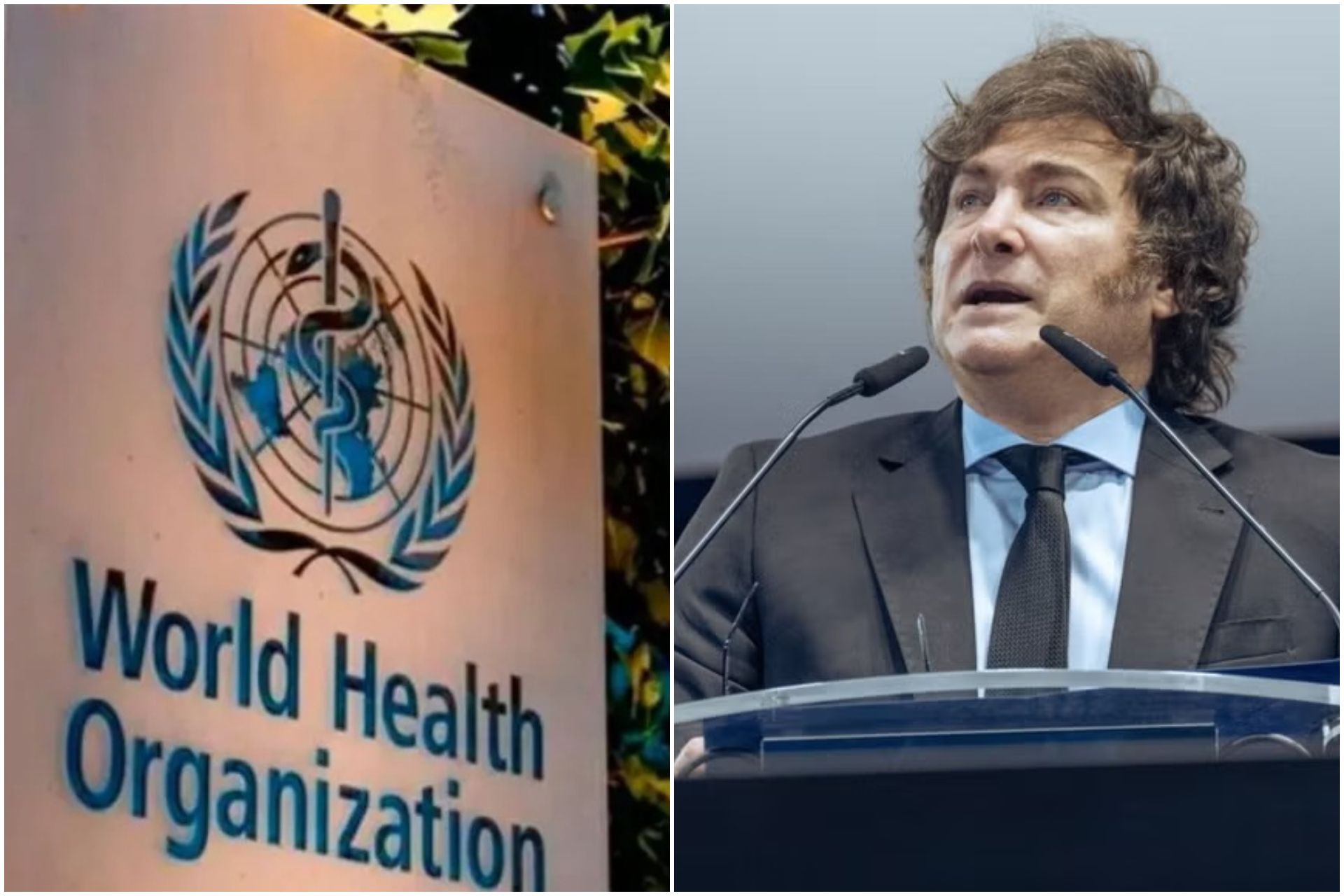
 Argentina formally completed its withdrawal from the World Health Organization on March 17, a move announced by Javier Milei’s government a year ago and now confirmed by Secretary for International Economic Relations Pablo Quirno. In his statement, Quirno said the country would continue promoting health cooperation through bilateral and regional channels while fully safeguarding its sovereignty over public health policy.
In practical terms, the decision does not automatically sever Argentina from the region’s main mechanisms for purchasing vaccines, medicines and medical supplies. Argentina will remain in the Pan American Health Organization, PAHO. That matters because PAHO operates the Regional Revolving Funds, through which countries in the Americas obtain vaccines, treatments and other public health supplies at lower cost and through coordinated procurement.
That point limits one of the most immediate risks. Leaving WHO does not by itself mean Argentina loses access to PAHO procurement channels or regional technical cooperation. PAHO is still running active programs in the country and, in early March, announced in Buenos Aires a technology-transfer agreement aimed at strengthening regional influenza vaccine production.
The withdrawal does, however, narrow Argentina’s room for influence in global health governance. Former officials and specialists argue that leaving WHO places the country outside global policy discussions, regulatory frameworks and worldwide coordination schemes on pandemics, epidemiological surveillance, antimicrobial resistance and health emergencies. It also reduces Argentina’s formal presence in the international health agenda beyond the Americas.
The legal dimension was also significant. WHO said in May 2025 that Argentina had notified the organization of its decision to denounce the WHO Constitution and withdraw one year after the notice was received. A document prepared for the Executive Board in January 2026 also noted that the WHO Constitution itself does not expressly regulate a withdrawal mechanism, which meant the issue had to be examined by the organization’s governing bodies.
For Argentina, the practical outcome is therefore twofold. In the short term, the government preserves much of the regional operational structure by remaining in PAHO. But in the medium and long term, the country gives up its seat in the world’s main multilateral health body at a time when pandemic preparedness, coordinated access to information and the setting of international standards remain central to public health policy.


Top Comments
Disclaimer & comment rulesCommenting for this story is now closed.
If you have a Facebook account, become a fan and comment on our Facebook Page!