MercoPress. South Atlantic News Agency

Attack on world’s largest gas field raises tensions and jolts markets
 The market reaction was immediate. Brent crude rose to $110.94 a barrel, a daily gain of 7.28%, while Europe’s TTF gas benchmark climbed to 54.73 euros per megawatt hour, up 6.14% on the day
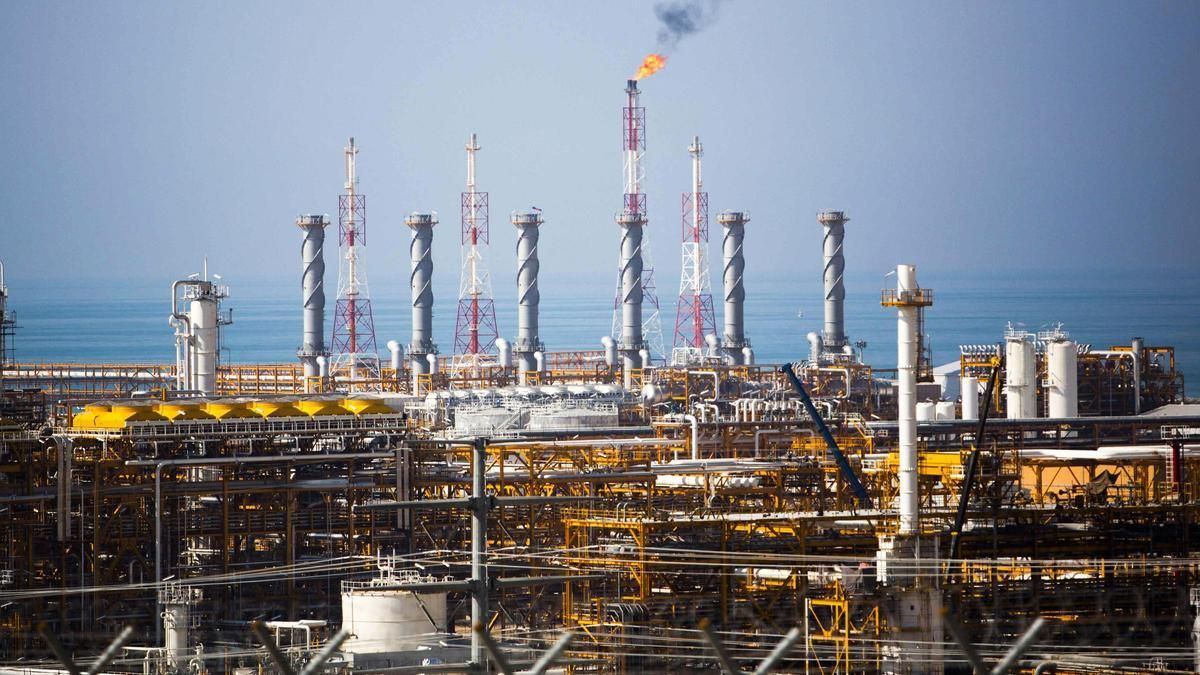
 The war involving Iran, Israel and the United States escalated sharply on Wednesday with a strike on South Pars, the Iranian side of the world’s largest natural gas field, which it shares with Qatar. Reuters reported that the hit on the site marked a new phase in the conflict by targeting major Iranian energy infrastructure for the first time in this war, and was followed by Iranian threats and attacks against energy targets across the Gulf.
South Pars is not a marginal asset in Iran’s economy. Iran’s energy news agency Shana reported in February that the field had reached a record daily output of 730 million cubic meters of gas, the highest level in more than two decades of operation. The attack hit gas tanks and parts of a refinery; workers were evacuated and Iranian authorities later said the fire had been brought under control.
Iran’s response came quickly. Tehran declared several Gulf energy facilities to be “direct and legitimate targets” and later struck the Ras Laffan energy hub in Qatar, while Saudi Arabia said it intercepted four ballistic missiles launched toward Riyadh and an attempted drone strike on a gas facility in the country’s east. QatarEnergy reported “extensive damage” at Ras Laffan, according to the same coverage.
The market reaction was immediate. Brent crude rose to $110.94 a barrel on March 18, a daily gain of 7.28%, while Europe’s TTF gas benchmark climbed to 54.73 euros per megawatt hour, up 6.14% on the day, according to Trading Economics. Brent traded above $108 during the session, reflecting fears of a more lasting disruption to supplies from the world’s most important energy-producing region.
Market sensitivity is being driven not only by the strike on the field itself, but by the wider context. Iran had already shut the Strait of Hormuz, the route for about 20% of global oil and liquefied natural gas supply moved by sea. While the war had until now hit mostly military and security targets, the shift toward energy infrastructure introduces a much more direct threat to the global hydrocarbons trade.
At the same time, the conflict is expanding on other fronts. Israel killed Iranian Intelligence Minister Esmail Khatib a day after the death of Ali Larijani, while U.S. Director of National Intelligence Tulsi Gabbard told Congress that Iran’s government remains intact, though degraded, and still retains the capacity to attack U.S. interests and allies in the Middle East.
The strike on South Pars therefore did more than raise military pressure on Tehran. It opened a stage in which energy is no longer merely an indirect consequence of war, but one of its central fronts, with immediate effects on prices, supply security and regional stability.


Top Comments
Disclaimer & comment rulesCommenting for this story is now closed.
If you have a Facebook account, become a fan and comment on our Facebook Page!