MercoPress. South Atlantic News Agency



Falklands, concerns on the Meningitis B outbreak in UK; Islands’ children have been vaccinated since 2025
 Queues of young people waiting to be vaccinated in the UK
 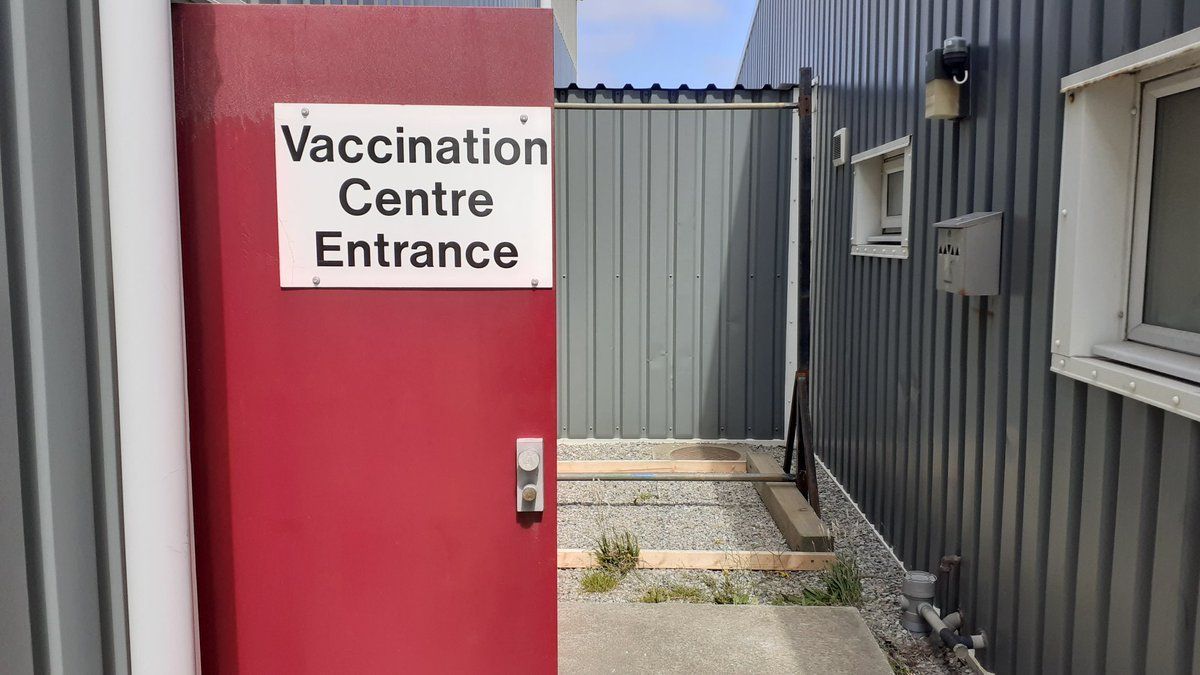 Children in the Falklands have been vaccinated against Meningitis B since June 2015.
 The Falkland Islands Directorate of Health and Social Services is aware of growing concerns from parents with children studying in the UK, arising from an outbreak of Meningitis B. These concerns are entirely understandable.
Meningitis is an infection that causes swelling of the protective membranes surrounding the brain and spinal cord. It is relatively common and can be caused by various viruses or bacteria. The level of seriousness varies considerably from case to case. Bacterial cases can be treated by giving antibiotics in a timely manner, and anyone who is a recognized contact of a person who has had a confirmed case of bacterial meningitis should also seek support to be issued pre-emptive antibiotics.
Meningitis is spread by close contact with others like kissing, sharing drinks, vapes, straws, cutlery etc. However, many of us carry the meningitis bacteria in the back of our throat and nose naturally, and in most cases it causes no problems.
Points to note:
• In the UK the outbreak is centered around the Canterbury region in Kent.
• Although other suspected meningitis cases are being investigated across the country, the highest risk area remains the East Kent region.
• Meningitis B is one of the subtypes of bacteria that can cause meningococcal meningitis. Children in the Falklands have been vaccinated against Meningitis B since June 2015. The meningitis B vaccine is delivered in three separate doses at ages 8 weeks, 16 weeks and again at 1 year. Older children are also vaccinated against Meningitis A, C, W and Y in Year 9, and again when they leave school age 16.
• Children born before June 2015 will not have been routinely vaccinated against Meningitis B.
What to do if you are in the UK:
• It is important to note that the risk to individuals outside the immediately affected area in Kent is very low. However
• Be alert to symptoms of Meningitis – these include flu-like symptoms, including fever, headache, sore throat, visual disturbance and in particular being sensitive to bright light, neck stiffness. Some people will also have a rash that does not fade when a glass is rolled over it.
• If you have symptoms consistent with Meningitis B, contact your healthcare provider, or NHS 111 as soon as possible. If you are considered to be in an at-risk group you will be offered pre-emptive antibiotics.
• Seeking emergency vaccination against Meningitis B is not currently recommended. This is because having one vaccine will not offer you full immunity against the bacterium; and also the vaccines that are currently in stock in the UK will be diverted to be used for those at highest risk, e.g. those who were in direct contact with known cases, vulnerable family members of known cases, or contacts of cases.
The Directorate of Health and Social Services will continue to monitor the situation locally.


Top Comments
Disclaimer & comment rulesCommenting for this story is now closed.
If you have a Facebook account, become a fan and comment on our Facebook Page!