MercoPress. South Atlantic News Agency



Peru confirms large-scale geothermal system in southern Andes, near Chilean border
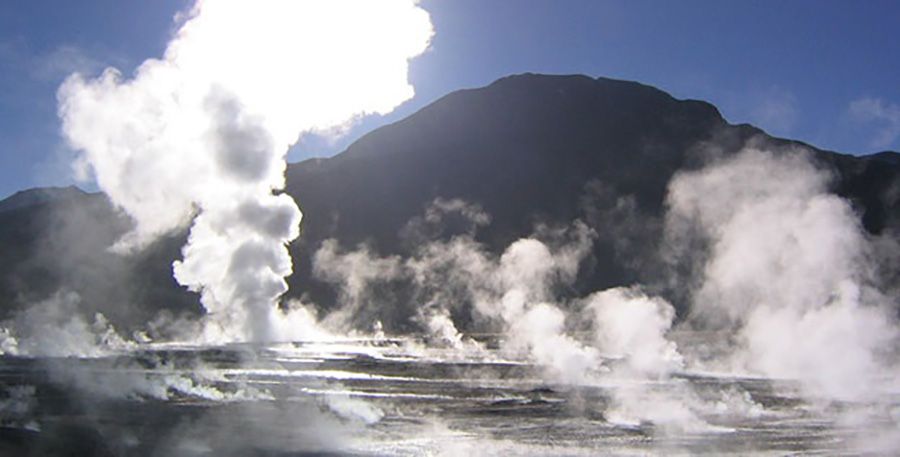 The study was conducted using the magnetotelluric method, a technology that produces a subsurface image by measuring natural electromagnetic fields
 Peru's Geophysical Institute (IGP) confirmed on Tuesday the existence of a large-scale active geothermal system in the country's southern Andes, near the Paucarani-Casiri volcano, approximately 75 kilometers northeast of the city of Tacna and close to the Chilean border, according to EFE.
IGP director Hernando Tavera said a high-resolution geophysical study provided new evidence of key structures for geothermal energy generation in the area. “The confirmation of this geothermal source represents a landmark advance in our understanding of natural energy resources and demonstrates how geophysical research can directly contribute to the country's development,” he said.
Tavera added that identifying geothermal systems with high potential “will open new opportunities to diversify the national energy mix with a clean, constant and strategic source for southern Peru.”
The study was conducted using the magnetotelluric method, a technology that produces a subsurface image by measuring natural electromagnetic fields. IGP volcanologist Yovana Álvarez said the team identified “conductive zones associated with fluids at anomalous temperatures in the western sector of Paucarani-Casiri, which reconfirms the presence of an active geothermal system.” According to Álvarez, regional geological faults and the hydrothermal system of local volcanoes act as a natural mechanism that heats fluids at depth, creating heat reservoirs with high energy potential.
The Casiri volcano, also known as Paucarani, is a volcanic complex standing approximately 5,650 meters in the Barroso mountain range in the Tacna region. The associated geothermal system has been under investigation for at least a decade. Previous studies by Peru's Geological, Mining and Metallurgical Institute (INGEMMET) had already identified the Casiri-Kallapuma geothermal field, which features hot springs reaching 86°C and hydrothermal alteration including sulfur deposits and sodium chloride-rich fluids indicative of deep circulation.
The IGP emphasized that unlike solar or wind energy, which depend on variable weather conditions, the Earth's internal heat can generate geothermal power continuously for decades. Peru, whose energy production is predominantly dependent on hydrocarbons, currently has no operational geothermal plants, despite being located in the Central Volcanic Zone of the Andes, one of the continent's regions with the greatest geothermal potential.
The finding could have implications for the border region with Chile, where northern Chile faces its own energy supply challenges for the mining industry.


Top Comments
Disclaimer & comment rulesCommenting for this story is now closed.
If you have a Facebook account, become a fan and comment on our Facebook Page!