MercoPress. South Atlantic News Agency

São Paulo stock exchange reverses losses and closes higher on US-Iran negotiation signals
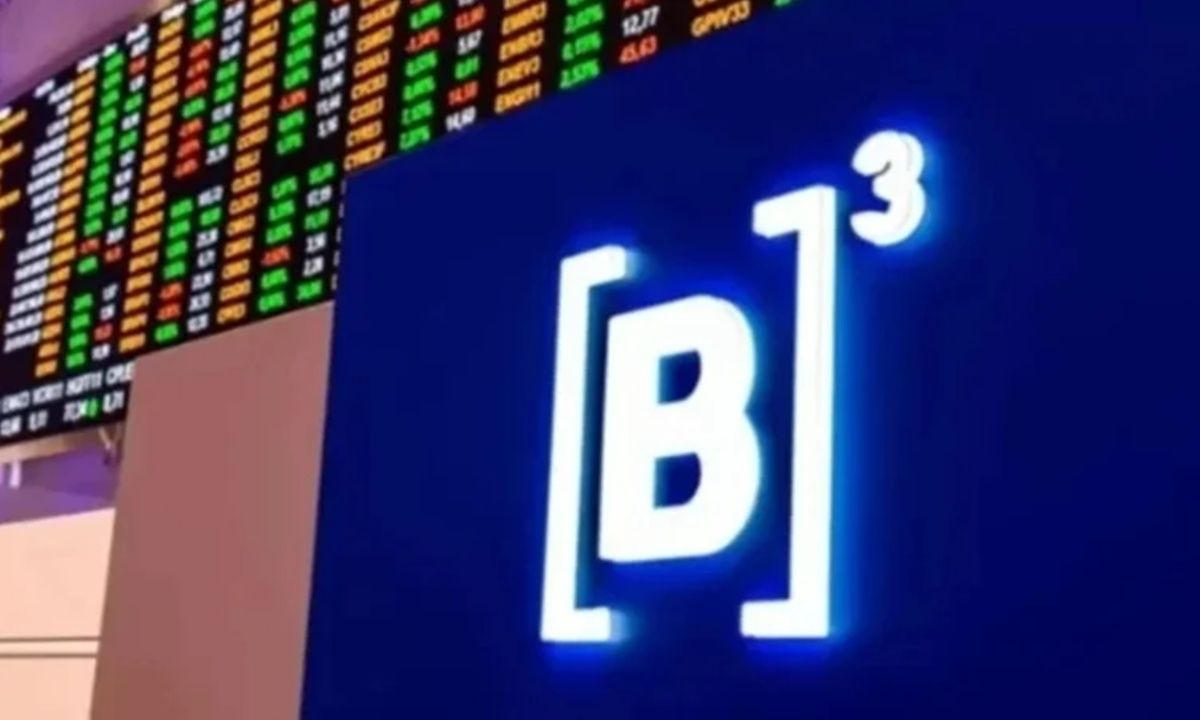 The Ibovespa, the Brazilian market's benchmark index, finished at 188,258 points, stringing together a sixth consecutive session of gains, though the last three with near-zero variations
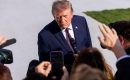
 The São Paulo stock exchange reversed its losses in the final minutes of trading and closed Tuesday with a slight gain of 0.05%, lifted by President Donald Trump's statement that he is in “heated negotiations” with Iran just hours before his ultimatum for the reopening of the Strait of Hormuz expired.
The Ibovespa, the Brazilian market's benchmark index, finished at 188,258 points, stringing together a sixth consecutive session of gains, though the last three with near-zero variations. Trading volume reached 26.5 billion reais ($5.14 billion), across 3.6 million transactions.
The São Paulo exchange was down more than half a percentage point just minutes before the close, dragged by the risk aversion that dominated the global session after Trump posted on Truth Social warning that “a whole civilization will die tonight.” However, the trend reversed when, almost simultaneously, Pakistani Prime Minister Shehbaz Sharif asked Trump for a two-week extension of the deadline and the US president confirmed on Fox News that he was in full negotiations with Tehran.
Petrochemical giant Braskem, the largest in Latin America, led gains with a 5.0% advance, followed by real estate firm JHSF (+4.3%) and private oil company Prio (+2.0%). On the losing side, homebuilder MRV led declines alongside health insurer Hapvida and pulp maker Suzano, with losses of around 6%.
In the foreign exchange market, the real broke its recent trend and depreciated 0.17% against the dollar, which closed at 5.154 reais in the commercial exchange rate.
Tense global backdrop
The session unfolded under extreme geopolitical pressure. During the morning, the United States and Israel bombed Kharg Island, Iran's main oil terminal, for the second time, while Iran retaliated by attacking Saudi Arabia's Jubail petrochemical complex. Crude prices remained elevated, with US WTI spot premiums hitting historic highs as Asian and European refineries competed to replace disrupted Middle Eastern flows.
The conflict's impact on investor confidence was evident in Europe, where the eurozone Sentix index plunged to -19.2 points in April from -3.1 in March, far below forecasts. “Investors perceive that recession is back on the table,” the consultancy said. Belgian central bank chief Pierre Wunsch warned the Wall Street Journal that the European Central Bank may need to raise interest rates if the war drags on, not ruling out a move as early as its April 30 meeting.
In the United States, gasoline prices have risen 39% since the war began on February 28, reaching $4.14 per gallon, CNN reported.


Top Comments
Disclaimer & comment rulesCommenting for this story is now closed.
If you have a Facebook account, become a fan and comment on our Facebook Page!