MercoPress. South Atlantic News Agency


Trump says he is in “heated negotiations” with Iran hours before Hormuz ultimatum expires
 Pakistani mediation intensified after Iran rejected on Monday a 45-day ceasefire proposal, known as the Islamabad Accord, and submitted a 10-point counteroffer relayed through Pakistan
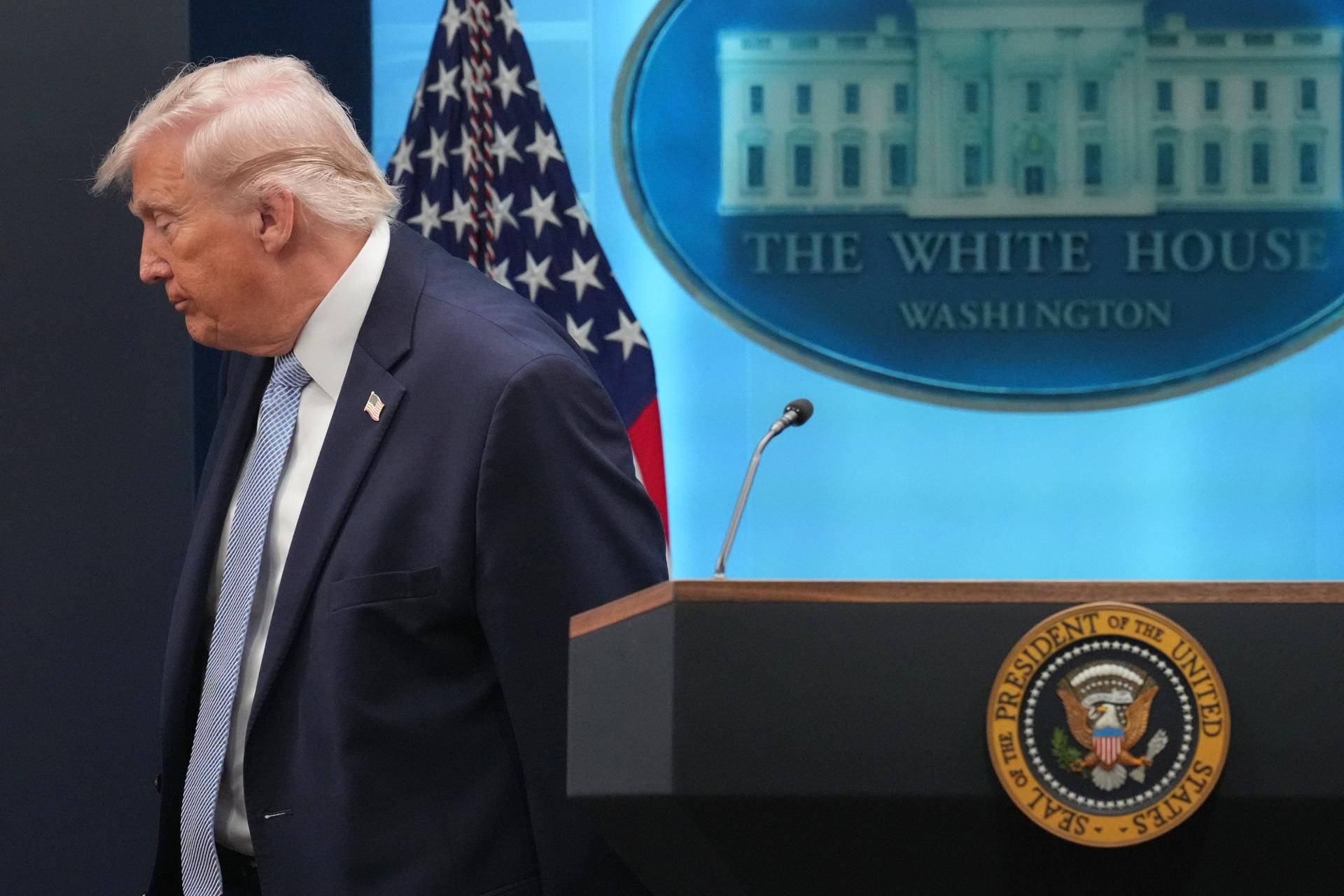
 US President Donald Trump said Tuesday he is in “heated negotiations” with Iran just hours before his ultimatum for Tehran to reopen the Strait of Hormuz or face massive attacks on its civilian infrastructure expires.
“I can't tell you, because right now we're in heated negotiations,” Trump told Fox News in a telephone interview when asked about the possibility of extending the deadline, set for 8:00 PM Eastern Time (00:00 GMT Wednesday). White House Press Secretary Karoline Leavitt confirmed that the president “has been made aware of the proposal, and a response will come.”
The statement came minutes after Pakistani Prime Minister Shehbaz Sharif publicly asked Trump for a two-week extension. “Diplomatic efforts for peaceful settlement of the ongoing war in the Middle East are progressing steadily, strongly and powerfully with the potential to lead to substantive results in near future,” Sharif wrote on X. “To allow diplomacy to run its course, I earnestly request President Trump to extend the deadline for two weeks.”
Sharif also urged Iran to open the strait for the same period as “a goodwill gesture” and called on all parties to observe a two-week ceasefire. A senior Iranian official told Reuters that Tehran was “positively reviewing” the Pakistani proposal.
Iran's 10-point counteroffer
Pakistani mediation intensified after Iran rejected on Monday a 45-day ceasefire proposal, known as the Islamabad Accord, and submitted a 10-point counteroffer relayed through Pakistan. Tehran's conditions include a permanent end to hostilities, a safe passage protocol for the Strait of Hormuz, the lifting of all international sanctions and the provision of reconstruction funds.
“We only accept an end of the war with guarantees that we won't be attacked again,” said Mojtaba Ferdousi Pour, head of Iran's diplomatic mission in Cairo, in remarks to the AP. Tehran has indicated it no longer trusts the White House to abide by a ceasefire, as US forces bombed Iran twice during previous rounds of negotiations.
Pakistan, Egypt and Turkey have been acting as intermediaries between Washington and Tehran. Trump confirmed Monday that Vice President JD Vance was in contact with Iran through Pakistani intermediaries. Egyptian Foreign Minister Badr Abdelatty said Tuesday he held talks with US special envoy Steve Witkoff and Pakistani counterpart Ishaq Dar.
Bombing amid diplomacy
The negotiations are unfolding alongside a military escalation. On Tuesday, the United States and Israel bombed Kharg Island, Iran's main oil terminal, for the second time in less than a month. Iran retaliated with an attack on Saudi Arabia's Jubail petrochemical complex, one of the largest in the world. Middle Eastern countries urged their populations to seek shelter ahead of possible strikes in the coming hours.
Hours before the deadline, Trump posted on Truth Social: “A whole civilization will die tonight. I don't want that to happen, but it probably will.” In the same post, however, he suggested regime change could open a positive horizon: “47 years of extortion, corruption, and death, will finally end. God Bless the Great People of Iran!”
Trump has set and postponed similar deadlines on at least three occasions since March 21, each time oscillating between threats and proclamations that negotiations were going well.


Top Comments
Disclaimer & comment rules-

-

Read all commentsIt's “TACO TUESDAY!!!” once again!
Apr 07th, 2026 - 11:35 pm 0Hummm. no, not this time I think, Iran was insisting no temporary ceasefire only a permanent end with security guarantees etc. etc before they would open the straights of Hormuz.
Apr 08th, 2026 - 10:57 pm 0They agreed a two-week temporary ceasefire with the opening of the straights. Trump hasn’t changed his position.
We shall see what happens in the coming days, whether the Israelis can wreck it or not, but it was definitely the Iranians who blinked first this time.
Commenting for this story is now closed.
If you have a Facebook account, become a fan and comment on our Facebook Page!