MercoPress. South Atlantic News Agency



Iran re-closes Strait of Hormuz after Israeli strikes in Lebanon, putting ceasefire at risk
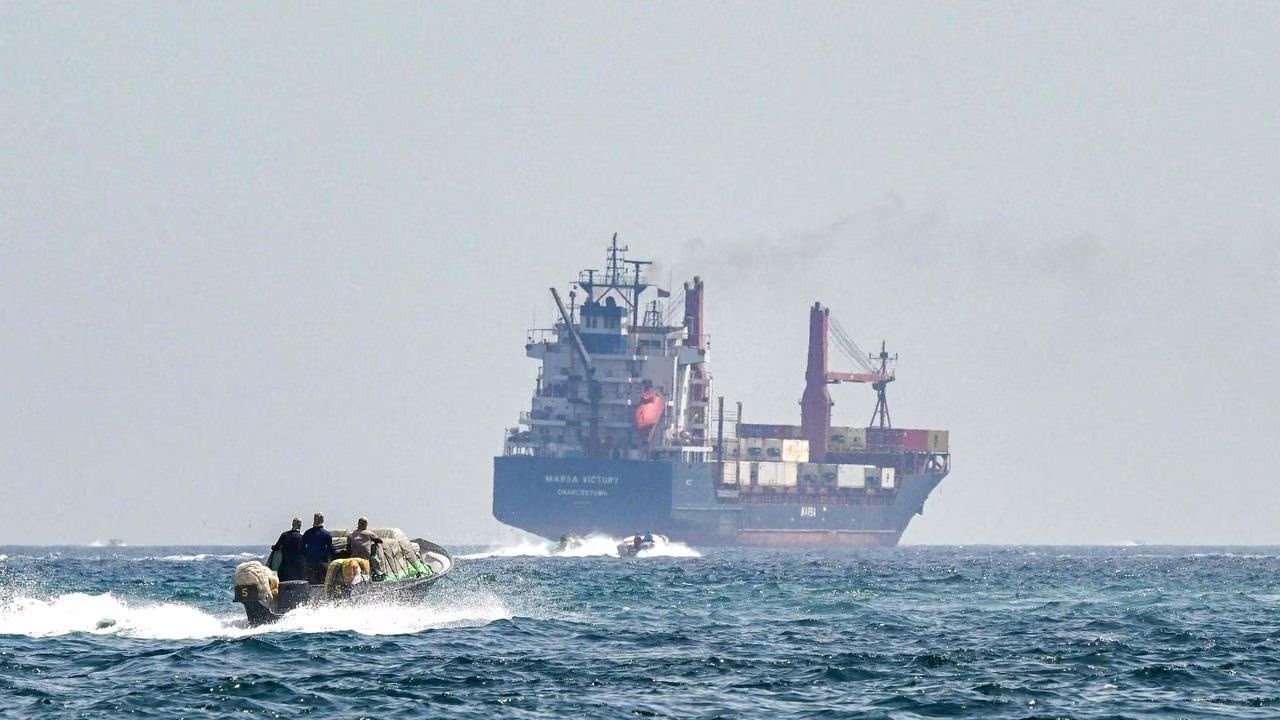 Fars news agency, which is linked to Iran's Revolutionary Guard, reported that tanker passage was halted following Israeli bombardments on Lebanese territory
 Iran suspended tanker traffic through the Strait of Hormuz just hours after its ceasefire with the United States took effect, in response to continued Israeli strikes against Hezbollah in Lebanon. The move jeopardizes a truce that had barely begun to ease the worst global energy crisis in decades.
Fars news agency, which is linked to Iran's Revolutionary Guard, reported that tanker passage was halted following Israeli bombardments on Lebanese territory. According to Fars, only two tankers had been authorized to cross the strait on Wednesday morning before the blockade was reimposed. The Iranian Navy issued radio warnings to vessels in the area, stating that any ship attempting to enter would be “targeted and destroyed,” according to a message reported by The Guardian.
The reopening of the Strait of Hormuz — through which roughly 20% of the world's traded oil and natural gas passes — was the central condition of the ceasefire deal announced Tuesday night by President Donald Trump. Iran had agreed to allow transit under coordination with its armed forces but conditioned compliance on the truce extending to all fronts, including Lebanon.
Israel rejected that interpretation. Prime Minister Benjamin Netanyahu maintained that the deal does not cover operations against Hezbollah, and the Israel Defense Forces launched their largest coordinated wave of strikes in Lebanon since the conflict began on March 1: more than 100 targets hit within 10 minutes, according to the Israeli military. The strikes hit residential and commercial areas of Beirut without warning. At least 112 people were killed and hundreds wounded, according to AP, in one of the deadliest days of the Israel-Hezbollah war.
Lebanese President Joseph Aoun called the attacks “barbaric.” Arab League Secretary General Ahmed Aboul Gheit accused Israel of “persistently seeking to sabotage” the Iran ceasefire deal.
Data from the MarineTraffic platform shows hundreds of vessels remain in the area, including 426 tankers and dozens of gas carriers, many stranded since the strait was formally closed on March 2. White House press secretary Karoline Leavitt called any closure of the strait “completely unacceptable” and said information relayed to Trump privately indicated the waterway remains open. Defense Secretary Pete Hegseth warned that U.S. forces are prepared to resume military operations “at a moment's notice.”
Vice President JD Vance acknowledged the deal is “fragile.” Peace talks scheduled for Friday in Islamabad remain on track, but the Israeli escalation in Lebanon and Iran's response at Hormuz raise serious questions about the truce's viability.


Top Comments
Disclaimer & comment rulesCommenting for this story is now closed.
If you have a Facebook account, become a fan and comment on our Facebook Page!