MercoPress. South Atlantic News Agency

Iran declares Hormuz “fully open” until ceasefire ends; Trump insists on keeping Iranian port blockade
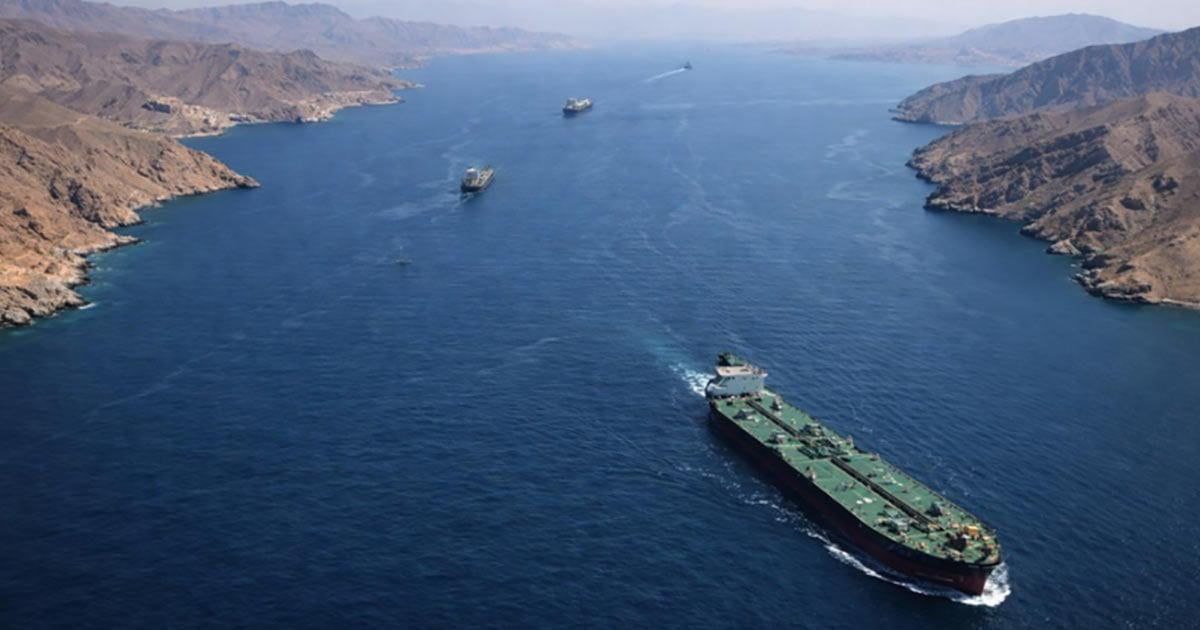 Despite the relief, normalizing traffic will take weeks. According to maritime intelligence firm Windward, at least 823 vessels remain trapped in the Persian Gulf
 Iran announced on Friday that the Strait of Hormuz will remain “fully open” to merchant shipping until the ceasefire with the United States expires next Wednesday. The decision, linked to the start of the 10-day truce between Israel and Lebanon announced by Trump on Thursday, triggered an immediate drop in oil prices of nearly 10% and strong relief across global markets.
“In line with the ceasefire in Lebanon, the passage of all merchant vessels through the Strait of Hormuz is declared fully open for the remainder of the ceasefire period, following the coordinated route already announced,” Iranian Foreign Minister Abbas Araghchi wrote on X. The designated route runs through Iranian territorial waters, past the islands of Larak and Qeshm, avoiding the Omani waters zone where the Revolutionary Guard warned that “the presence of naval mines is feasible.”
Trump celebrated the decision on Truth Social as a personal triumph but warned that the US naval blockade against vessels heading to or from Iranian ports remains “in full force” until a peace deal is “100% completed.” “Most of the points are already negotiated. It should be resolved very quickly,” he wrote, without offering details. He reiterated his willingness to travel to Islamabad to close a deal if a second round of talks takes place this weekend.
In a cascade of subsequent posts, Trump announced the US would keep the enriched uranium buried deep underground after last June's bombing strikes; ordered Israel to stop bombing Lebanon — “ENOUGH!!!” he wrote; thanked Saudi Arabia, the UAE, Qatar and Pakistan for their diplomatic efforts; and claimed, without evidence, that Iran had promised never to enrich uranium again.
The US blockade, patrolled by a dozen warships with air support in the Gulf of Oman, has been in effect for four days. US Central Command reported that 19 vessels have turned back in response to Navy warnings without incident. “If you do not comply with this blockade, we will use force,” Chairman of the Joint Chiefs Dan Caine warned on Thursday. However, maritime tracking firm TankerTrackers says several ships have managed to breach the cordon.
The secretary-general of the International Maritime Organization, Arsenio Domínguez, said his institution is “verifying” the Iranian announcement regarding “its conformity with freedom of navigation for all merchant vessels.” Iranian state television quoted senior military officials who said the Revolutionary Guard will continue monitoring ship movements and requiring permits — which, if confirmed, would constitute an obstacle to free transit in an international strait.
Despite the relief, normalizing traffic will take weeks. According to maritime intelligence firm Windward, at least 823 vessels remain trapped in the Persian Gulf; the UN puts the figure at more than double that when including ships stranded in the Gulf of Oman. Before the war, daily traffic exceeded 100 vessels in both directions; since the conflict began it has dropped to roughly a dozen.
France, the UK and Italy held a video conference on Friday to advance plans for a multinational force of “non-belligerent countries” to guarantee security in the strait. President Emmanuel Macron called the reopening “encouraging” but urged continued “prudence.” A summit in London next week will work out details of the mission.


Top Comments
Disclaimer & comment rulesCommenting for this story is now closed.
If you have a Facebook account, become a fan and comment on our Facebook Page!