MercoPress. South Atlantic News Agency



Paraguay attracts record foreigners with low taxes and new investor residency program
 Paraguay consolidated over recent decades a simplified tax structure known as “10-10-10”: 10% VAT, 10% personal income tax and 10% corporate income tax.
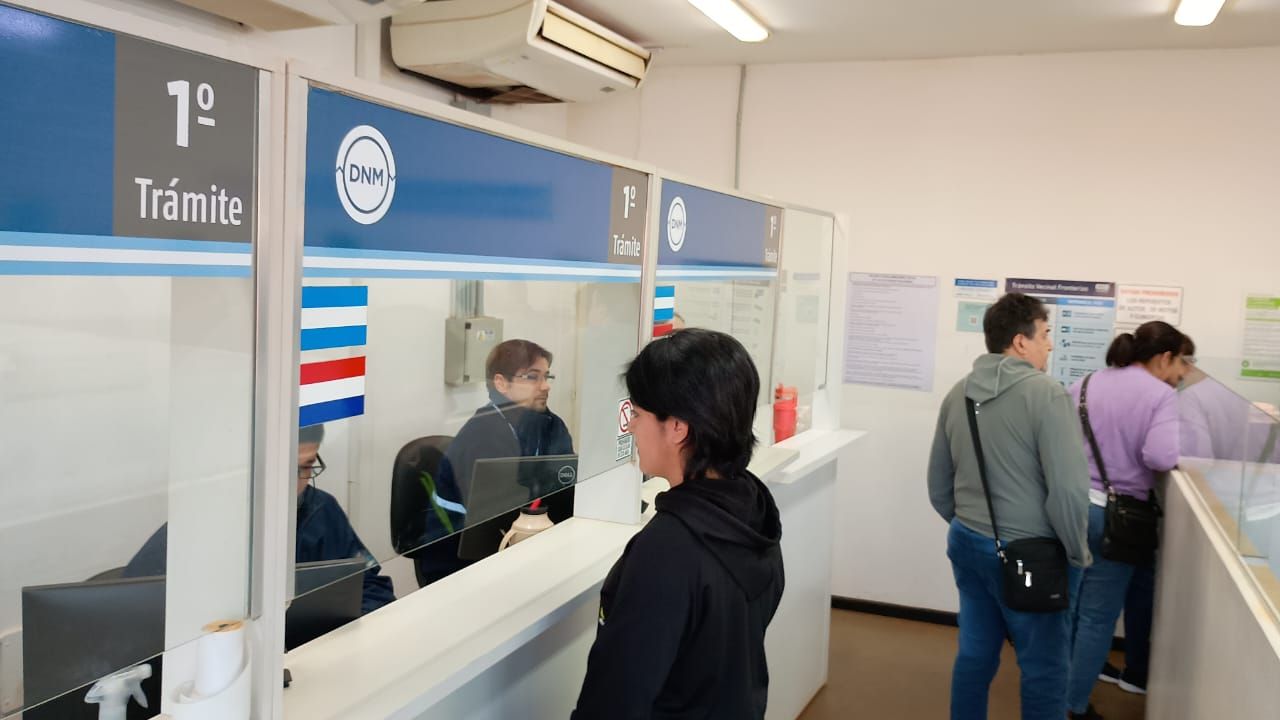
 Foreign residency applications in Paraguay surged 85% in the first quarter of 2026, reaching 18,071 compared to 9,760 in the same period of 2025, the National Migration Directorate reported. Temporary residency requests jumped 105% to 14,995, while permanent residency applications rose 25% to 3,076.
Brazilians dominate the flow: of the 14,275 residencies issued between January and March, 64% (9,195) went to Brazilian nationals. They were followed by Argentines at 8.4% (1,205), Germans at 4.5% (651) and Spaniards at 2.6% (373). Americans (228), Venezuelans and French nationals also ranked among the most represented nationalities.
Last Friday, President Santiago Peña's government announced a new program granting direct permanent residency — without the prior temporary residency requirement — to foreigners who invest in the tourism, real estate and financial sectors, the Ministry of Industry and Commerce reported.
Paraguay consolidated over recent decades a simplified tax structure known as “10-10-10”: 10% VAT, 10% personal income tax and 10% corporate income tax. Its total tax burden is roughly 14.5% of GDP, according to the OECD, less than half of Brazil's 32%. Electricity is up to 2.8 times cheaper than in Brazil thanks to surplus power from the Itaipú and Yacyretá dams. The country has no severance guarantee fund and annual leave starts at 12 working days per year.
Peña's government, which continues a pattern of nine out of ten right-leaning presidents since the return to democracy in 1989, actively capitalizes on the migration wave as a sign of confidence in the country. “Paraguay opens its doors to the world,” reads one official promotional piece. Since 2025, the government has organized traveling drives called Migramóvil to fast-track residency applications, with 19 more editions planned this year.
In 2025, Paraguay broke its record by granting 40,600 residency permits to foreigners, of which 23,500 went to Brazilians. However, the data suggest many do not put down permanent roots: only 19% of residencies granted to Brazilians that year were permanent, down from 68% in 2020.
The Brazilian predominance in the figures reflects a wave documented by BBC News Brasil, which reported that thousands of conservative citizens are emigrating to Paraguay driven by ideological reasons, lower taxes and the influence of social media videos. According to that report, most describe themselves as opposed to the Lula government and say they seek a country with right-wing governance and less state intervention. Cornelio Melgarejo, head of immigration for the Alto Paraná department, noted a shift in profile: two years ago, 80% were medical students; now entrepreneurs and retirees predominate, “in search of economic and political stability.”
Economists warn about the limitations of the Paraguayan model. Lower tax revenue means reduced state capacity to invest in infrastructure, health and education. Labor informality reaches 62.5% — compared to 37.5% in Brazil — and extreme poverty stands at 4.1%. Many Brazilians who obtain residency end up using the public health system in Foz do Iguaçu, on the Brazilian side of the border.


Top Comments
Disclaimer & comment rulesCommenting for this story is now closed.
If you have a Facebook account, become a fan and comment on our Facebook Page!