MercoPress. South Atlantic News Agency



Zero net migration would shrink UK GDP by 15% by 2060, Oxford Economics warns
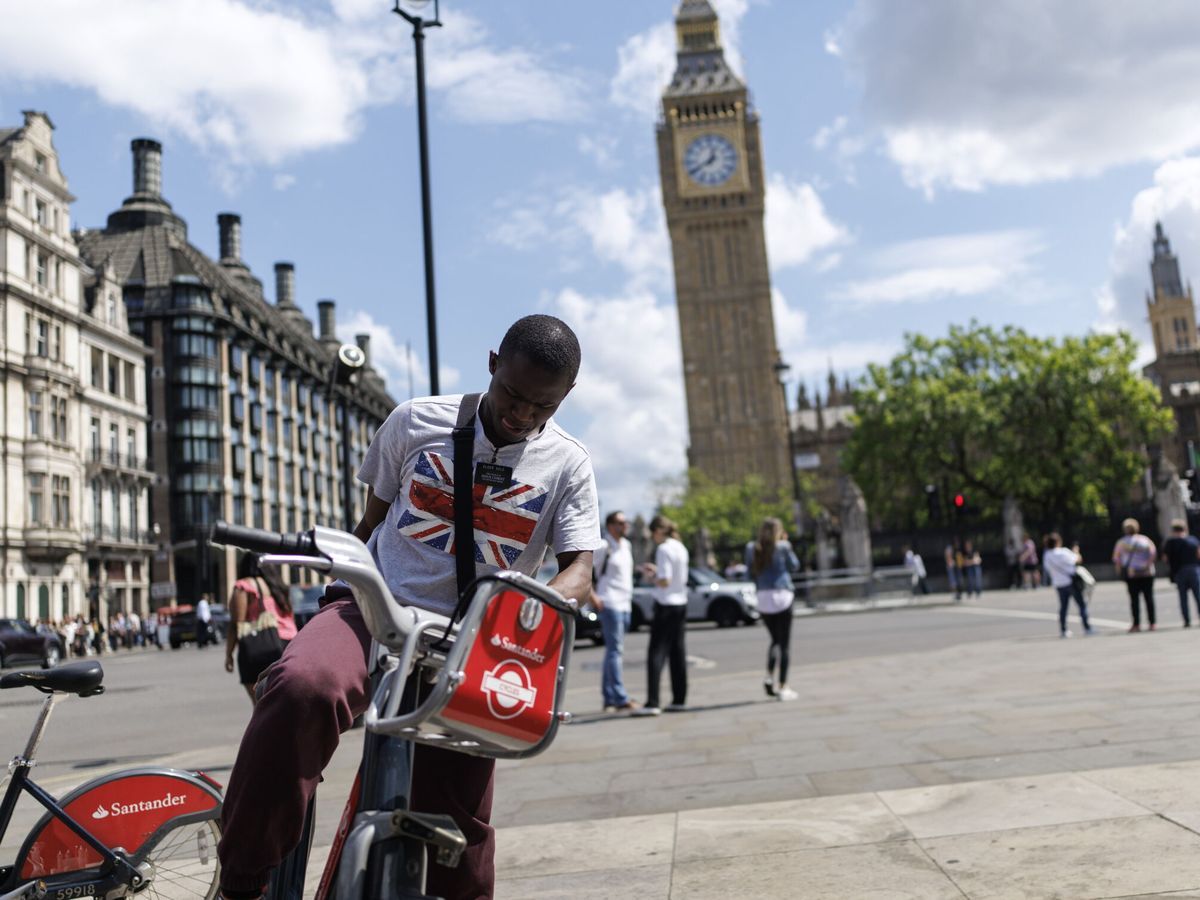 Lower economic growth would depress tax revenues, forcing successive governments into “harder decisions” such as expanding labour force participation among older people or raising the retirement age
 A long-term scenario of zero net migration would reduce the United Kingdom's economy by 15% by 2060 and limit GDP growth to an annual average of 0.9%, according to a report published on Wednesday by consultancy Oxford Economics. The study, which examines the impact of migration on British GDP and public finances, comes amid intense political polarisation over immigration controls.
The report sets out two scenarios considered “plausible” based on the consultancy's global economic model. The first assumes zero net migration from 2026, a possibility Oxford Economics does not rule out given the progressive tightening of visa and permanent residency requirements, as well as the prospect of future governments introducing even stricter restrictions. The second scenario projects higher migration flows than at present, in line with Office for National Statistics (ONS) forecasts, which would add a further 5% to GDP compared with current projections by 2060.
The fiscal consequences of zero migration would be equally significant. According to the report, lower economic growth would depress tax revenues, forcing successive governments into “harder decisions”: expanding labour force participation among older people, raising the retirement age, or abandoning the triple lock pension guarantee, which ensures annual increases of at least 2.5%.
“Lower economic growth feeds through to lower tax revenues. Current and capital public spending also falls, as a smaller population requires fewer people to receive education and healthcare. However, the cuts to spending are much smaller than the fall in revenues,” said Andrew Goodwin, Oxford Economics' chief UK economist.
The report is published against a political backdrop marked by the Labour government's tightening of immigration policy and the rise of anti-immigration rhetoric among populist parties. A previous study by the National Institute of Economic and Social Research (NIESR), released in February, had estimated that zero migration would cut GDP by 3.6% as early as 2040 and widen the budget deficit by £37 billion, suggesting the negative effects would worsen over time.


Top Comments
Disclaimer & comment rulesCommenting for this story is now closed.
If you have a Facebook account, become a fan and comment on our Facebook Page!