MercoPress. South Atlantic News Agency

United Arab Emirates leaves OPEC amid energy crisis fueled by Iran war
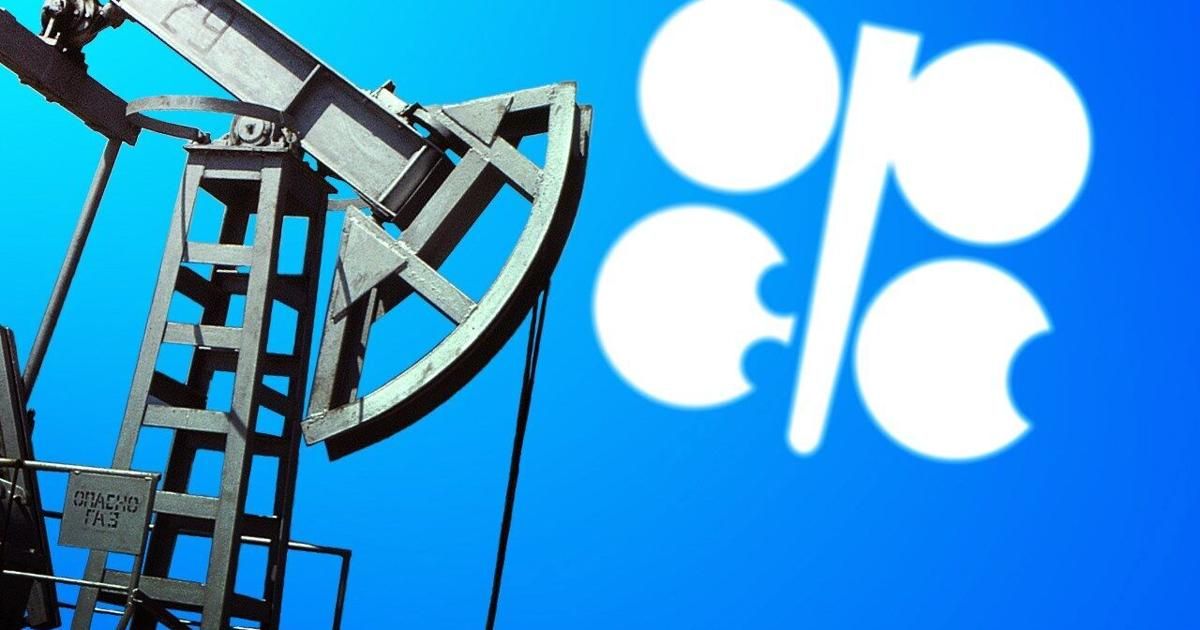 The United Arab Emirates was OPEC's third-largest producer, behind Saudi Arabia and Iraq, with output of 3.4 million barrels per day before the conflict with Iran
 The United Arab Emirates announced on Tuesday its withdrawal from the Organization of the Petroleum Exporting Countries (OPEC) and the broader OPEC+ alliance, in a decision taking effect on May 1 that constitutes one of the most significant blows to the oil cartel in its more than six decades of existence. The announcement comes amid the largest energy crisis in years, triggered by the closure of the Strait of Hormuz during the war between the United States and Iran launched on February 28, and on the eve of the OPEC meeting scheduled for Wednesday in Vienna.
UAE Minister of Energy and Infrastructure Suhail al-Mazrouei communicated the decision through a statement released by the official news agency WAM and later confirmed it in interviews with international media. “It is a policy decision, taken after a thorough analysis of current and future policies related to production levels,” he said. Asked whether Riyadh had been consulted in advance, Al-Mazrouei replied that the decision had not been raised with any other country.
The United Arab Emirates was OPEC's third-largest producer, behind Saudi Arabia and Iraq, with output of 3.4 million barrels per day before the conflict with Iran. The country joined the cartel in 1967 as the emirate of Abu Dhabi, before the formation of the federal state in 1971. The exit, following Qatar's departure in 2019, Ecuador's in 2020, and Angola's in 2023, leaves the bloc with eleven members and removes from the shared framework one of its members with the greatest capacity-growth potential.
The decision reflects years of accumulated friction. Abu Dhabi had been pushing for higher production quotas, in line with its stated goal of reaching 5 million barrels per day of capacity by 2027, while Saudi Arabia — the bloc's de facto leader and tied to disciplined supply control — resisted that drive. Bilateral tensions extended in recent years to competition for foreign investment, the collapse of the joint military coalition in Yemen late last year, and divergent positions in the Red Sea. The diplomatic adviser to the UAE president, Anwar Gargash, criticized this week that the Gulf Cooperation Council's response to Iranian attacks during the war was “the weakest historically.”
The immediate impact on the crude market was moderate, as global supply is constrained by the closure of the Strait of Hormuz, through which 20% of the world's oil and liquefied natural gas typically transit. Brent crude was trading on Tuesday above $111 a barrel, more than 50% above pre-war prices. According to the International Energy Agency, OPEC production collapsed 27% in March to 20.79 million barrels per day, the largest decline recorded by the bloc in decades.
The exit also represents a symbolic victory for US President Donald Trump, who has accused the cartel of “ripping off the world” through artificially high prices and has linked US military support for Gulf states to their willingness to moderate crude prices. Analysts at consultancy Rystad Energy warned that “a structurally weaker OPEC, with less spare capacity concentrated within the group, will find it increasingly difficult to calibrate supply and stabilize prices.” Robin Mills, head of consultancy Qamar Energy, told CNN that the UAE exit could prompt other producers such as Kazakhstan to follow the same path.


Top Comments
Disclaimer & comment rulesCommenting for this story is now closed.
If you have a Facebook account, become a fan and comment on our Facebook Page!