MercoPress. South Atlantic News Agency



United Kingdom votes in key local elections that put Starmer's leadership to the test
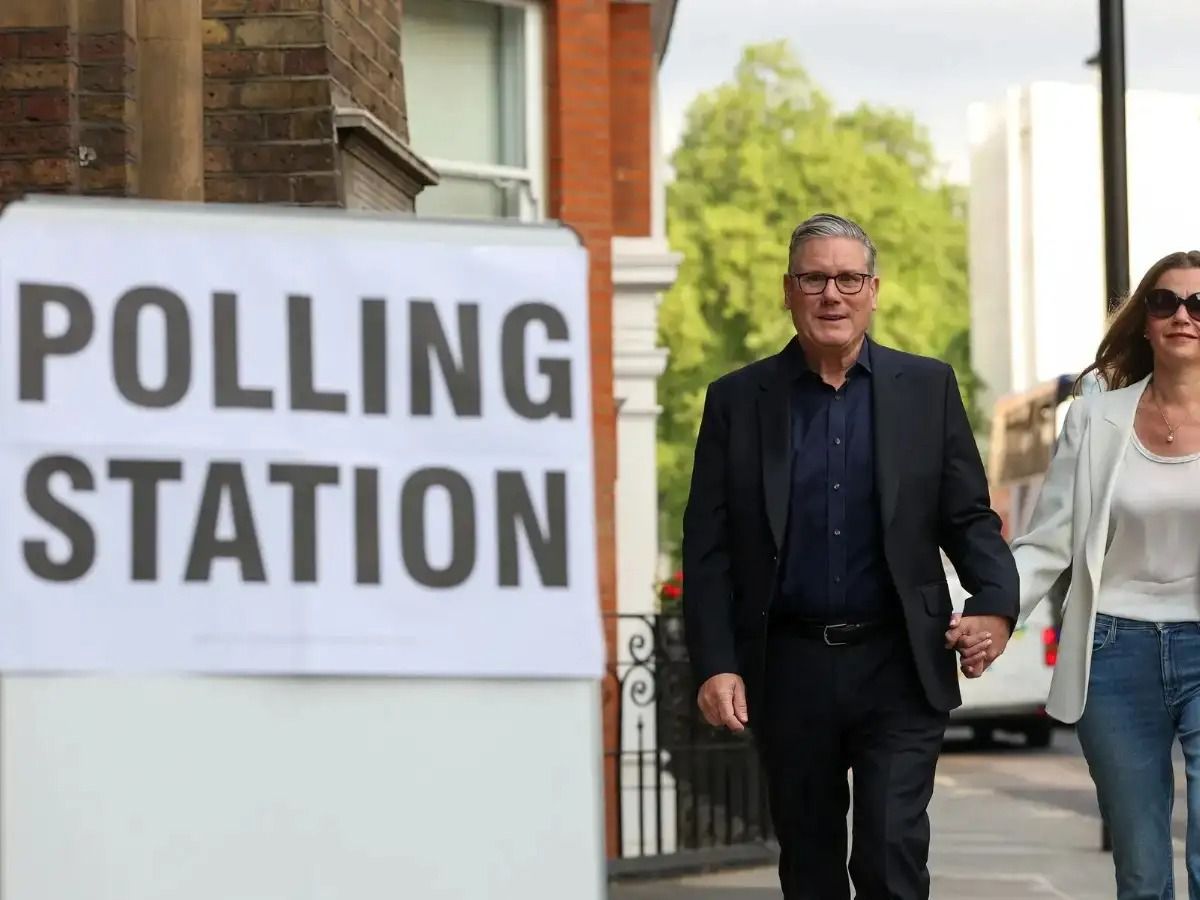 This British electoral day is compounded by international tensions that have marked the recent months of the Labour government
 British voters head to the polls on Thursday, May 7, in an election that will see the renewal of more than 5,000 seats across 136 local councils in England, six directly elected mayoralties, and the devolved parliaments of Scotland and Wales, in what various analysts and pollsters describe as the toughest electoral test for Prime Minister Keir Starmer since he took office in July 2024. Polling stations opened at 7:00 a.m. local time and will close at 10:00 p.m., with most results expected by Friday afternoon.
The Labour Party, in government with an overwhelming parliamentary majority since July 2024, faces particularly challenging elections after a sustained decline in its popularity. Polls suggest a strong advance for the far-right Reform UK party, led by Nigel Farage, which aspires to become the main opposition force to Starmer, and for the Greens, under the recent leadership of Zack Polanski. YouGov electoral modelling projects that the Scottish National Party (SNP) could win an absolute majority of 67 seats in the Holyrood parliament, while in the Welsh Senedd, Plaid Cymru aspires to take first place, with Reform UK relegating Labour to third position.
The vote unfolds in a particularly delicate political context for Starmer. The Prime Minister narrowly escaped being deposed by his own party in February, following the eruption of the scandal stemming from the release of the Epstein files and the close relationship between the late convicted sex offender Jeffrey Epstein and Peter Mandelson, the former British ambassador to Washington appointed by Starmer himself. Labour's defeat in the Gorton and Denton by-election the same month, where Green candidate Hannah Spencer won by defeating Reform UK with Labour in third place, deepened internal tensions within the party. Scottish Labour leader Anas Sarwar went so far as to call for the Prime Minister's resignation, a position the leadership managed to contain temporarily.
Unite General Secretary Sharon Graham warned in March that Labour would be “decimated” in these elections and should “hang their heads in shame” over the handling of the Birmingham bin strike. Reform UK launched its campaign on March 10 on the Isle of Wight, while Starmer chose Wolverhampton, in the West Midlands, to present his own on March 30, in one of the few areas where Labour is still considered strong. Analysts anticipate that a significantly adverse outcome could reopen the internal debate over the Prime Minister's leadership ahead of the next general election.
This British electoral day is compounded by international tensions that have marked the recent months of the Labour government, among them the frictions with the Trump administration over Britain's refusal to join the military offensive against Iran and the leak of the Pentagon memorandum on the Falklands, episodes covered in recent editions of MercoPress.


Top Comments
Disclaimer & comment rulesCommenting for this story is now closed.
If you have a Facebook account, become a fan and comment on our Facebook Page!