MercoPress. South Atlantic News Agency



Labs across three continents confirm passenger-to-passenger spread on hantavirus cruise
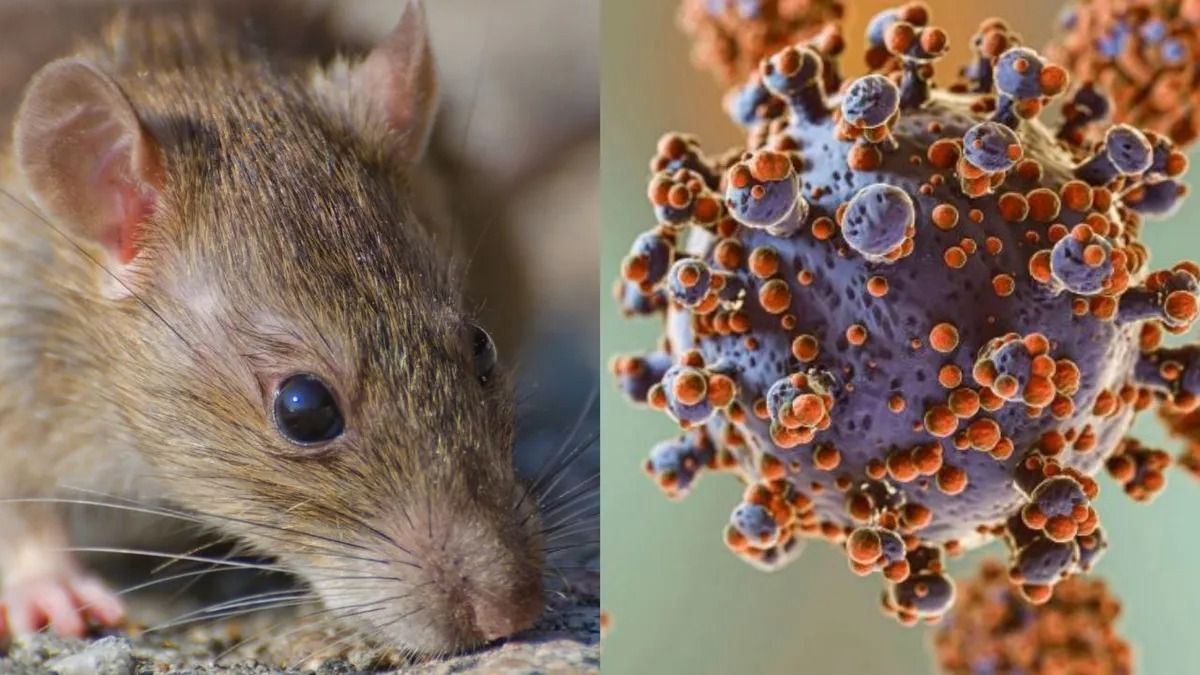 Hantavirus shows a reduced capacity to mutate compared with other pathogens such as influenza or coronaviruses
 A comparative genomic analysis of five people infected aboard the polar cruise ship MV Hondius has confirmed that the hantavirus spread from passenger to passenger during the voyage, according to a study published on the open scientific platform Viriological and produced jointly by laboratories in South Africa, Switzerland, and the Netherlands. The scientific finding supports the hypothesis handled since the outbreak began, which has left ten people infected and three dead, and completes the epidemiological picture after weeks of investigation.
“The viral genomes are practically identical,” said Blas Oude Munnik, virologist at the Erasmus University Medical Center in Rotterdam and co-author of the study. According to the researcher, following an initial rodent-to-human transmission, “the virus most likely spread from person to person aboard the cruise ship.” The genomic data, however, do not rule out the possibility that the initial environmental exposure involved more than one passenger infected from the same source, an open question that will require additional epidemiological information.
The study draws on four partial sequences — two from patients hospitalized in Johannesburg and two in the Netherlands — and a full genomic sequence obtained from the patient admitted in Switzerland, the first comprehensive analysis of the virus since the outbreak began. The findings confirm that the strain responsible is the Andes variant and rule out significant mutations, one of the principal concerns within the scientific community since the outbreak was confirmed.
“The diagnosis was made with a PCR specific to the Andes hantavirus,” said Pérez-Rodríguez, who led the analysis of the Swiss patient. The sequencing, carried out using Illumina technology, allowed researchers to compare the three segments that make up the viral genome and rule out reassortment — the exchange of genetic material between strains that could give rise to a new virus. The strain identified clusters closely with Andes isolates described in Argentina between 2018 and 2019, according to Estanislao Nistal Villán, researcher at the virology group of CEU San Pablo University, indicating that “it is not a highly divergent variant or an entirely new strain.”
Hantavirus shows a reduced capacity to mutate compared with other pathogens such as influenza or coronaviruses. The sequenced strain retains roughly 98% similarity with human samples detected in Argentina in 1997 and 2018, evidence of notable genetic stability over three decades. The report identifies only two genuine mutations across the full sequence, both “without functional consequences,” meaning they do not alter the virus's level of danger.
Human-to-human transmission of the Andes variant — the only documented case of this capacity within the hantavirus family — was established following an outbreak in Argentine Patagonia between 2018 and 2019, which left 34 people infected and 11 dead after a family birthday gathering. The MV Hondius outbreak represents the first internationally documented episode of person-to-person spread of this strain aboard a means of transport, and the scientific coordination between laboratories on three continents has made it possible to reconstruct the chain of contagion in a matter of weeks.


Top Comments
Disclaimer & comment rulesCommenting for this story is now closed.
If you have a Facebook account, become a fan and comment on our Facebook Page!